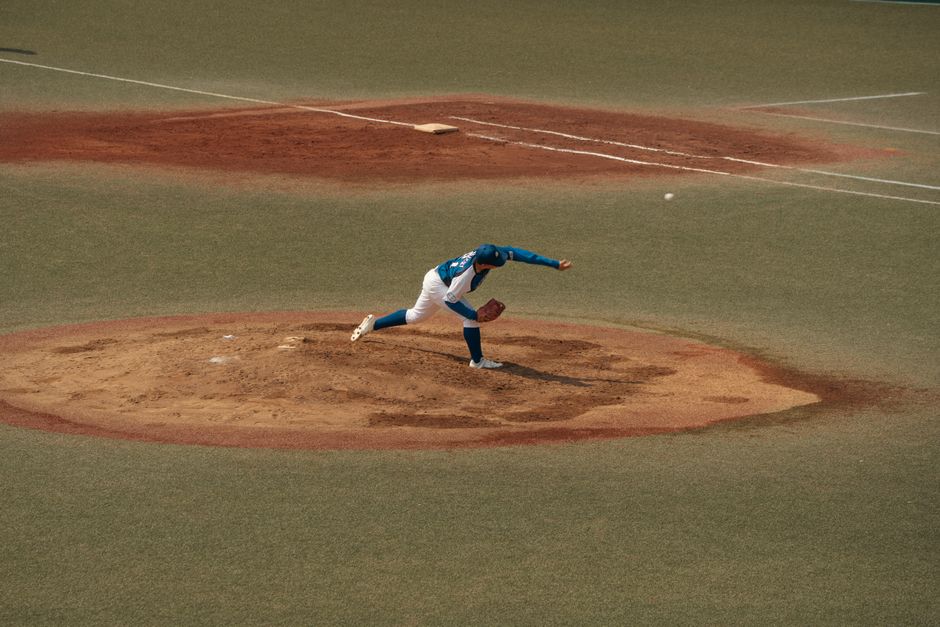
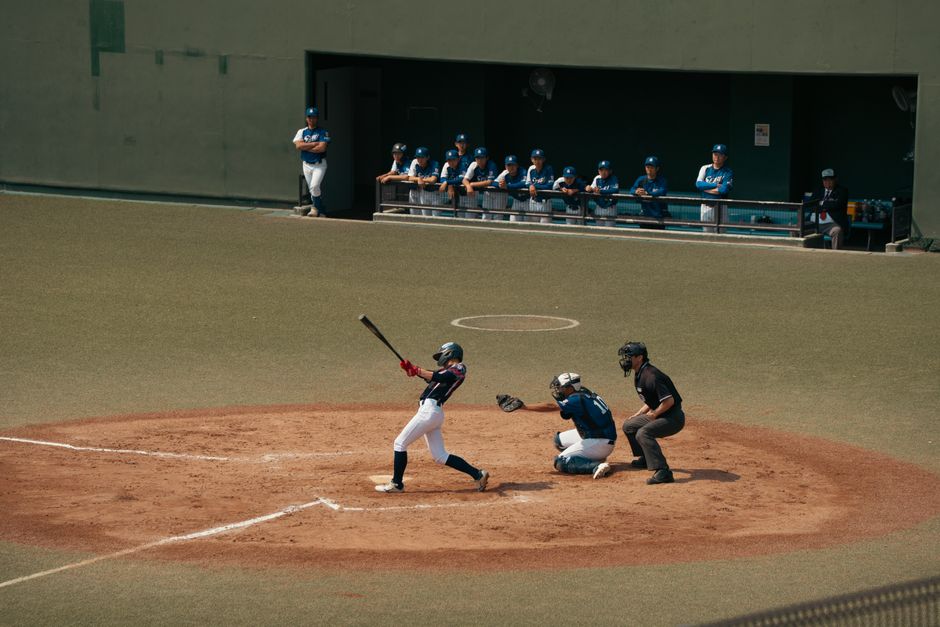
In a corner of Chiyoda Ward where gaming arcades meet salary-man bars, something unexpected is happening. The Akihabara Strikers—a team of amateur baseball players who balance day jobs with their passion for the sport—have captured the imagination of Tokyo's recreational athletics community by reaching the national amateur championship finals, scheduled for mid-July at the Meiji Jingu Stadium.
The Strikers, who practice three evenings a week at the compact Kuramae Sports Park facility near the Asakusa district, represent the quietly thriving ecosystem of Japan's amateur team sports. With a roster averaging 34 years old and comprising software engineers, office workers, and construction supervisors, they embody a different kind of athletic dedication—one driven by camaraderie rather than professional contracts.
Founded in 2014, the club recruited from local Chiyoda businesses and has grown from 18 founding members to a stable roster of 25, with another 15 reserves. Annual membership fees of ¥15,000 cover field rental, equipment maintenance, and tournament entry fees. The team's modest budget—approximately ¥2.8 million annually, funded through membership dues and local sponsorships from nearby restaurants and convenience stores—operates at a fraction of semi-professional clubs.
"We're not chasing fame," noted one club official, speaking on the condition of anonymity. "Most of us played baseball in high school or university. This is how we keep that connection alive while raising families and managing careers."
The Strikers' unlikely run through the Kanto regional qualifiers—culminating in a dramatic 4-3 victory over the defending regional champions last month—has energized Tokyo's amateur athletics circuit. The All Japan Amateur Baseball Championship, sanctioned by the Japan Amateur Baseball Association, draws teams from across the nation, attracting crowds of devoted supporters and attracting modest media attention typically reserved for professional leagues.
Participation in Japan's recreational team sports has shown modest growth since 2020, with amateur leagues across Tokyo offering affordable pathways to athletic engagement for working adults. The Japan Sports Agency reports that approximately 2.3 million adults participate in recreational team sports annually, with baseball, volleyball, and basketball dominating participation numbers.
For the Akihabara Strikers, the finals represent validation of a philosophy that sport remains fundamentally about community and shared passion. As they prepare for their championship run, their story resonates beyond the diamond—a reminder that Tokyo's sporting culture extends far beyond the professional realm into the neighborhood fields where ordinary people pursue extraordinary commitment.
This article was compiled by AI from the sources linked above and screened before publishing. See our editorial standards.