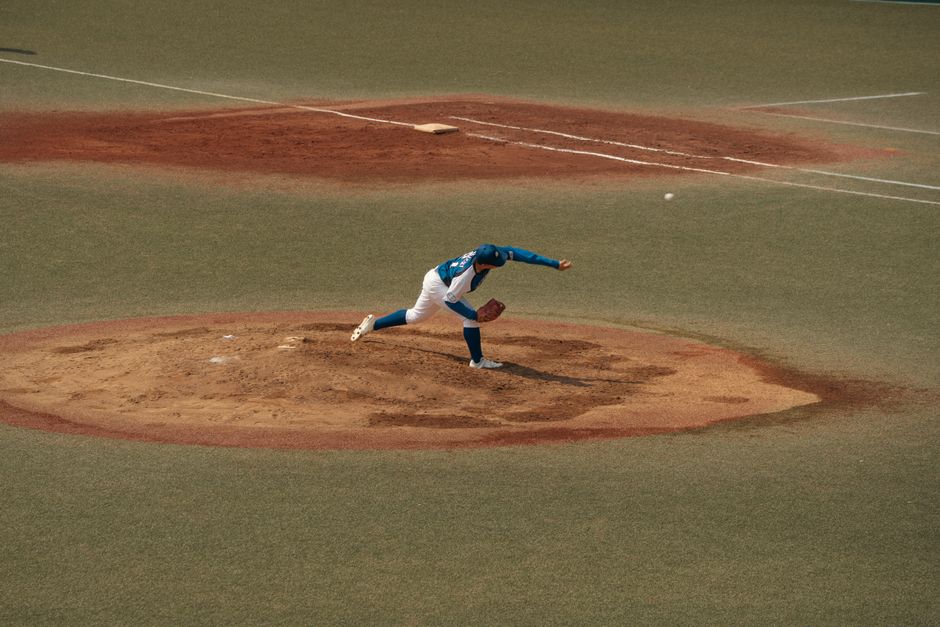
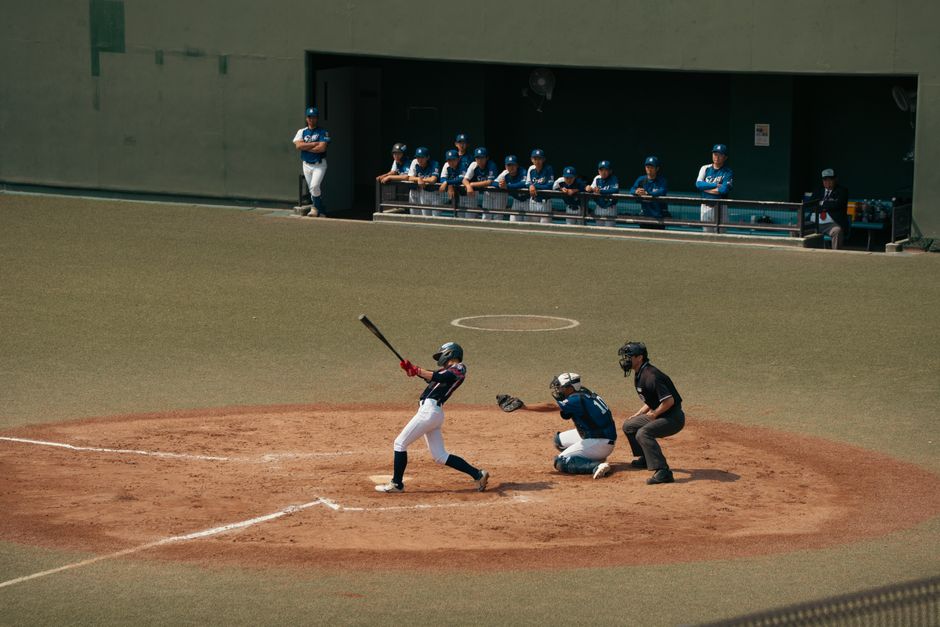
The roar that erupted from Yoyogi National Stadium's outdoor plaza last Sunday wasn't for Japan's domestic league. Instead, hundreds of Cape Verdean residents and curious Tokyo football fans crowded around makeshift screens to witness their unlikely heroes advance in the World Cup—a moment that has sent ripples through Japan's sporting consciousness and packed venues across the capital's most vibrant neighbourhoods.
Cape Verde's improbable run has become the tournament's defining narrative, captivating audiences far beyond West Africa. In Tokyo, the phenomenon is particularly pronounced. The Shibuya Sky observation deck sold out weekend slots as diaspora communities gathered to celebrate, while smaller football clubs in Harajuku and around the Meiji Shrine precinct organised watching events that drew triple their usual membership numbers.
Kasumigaoka Sports Complex, nestled between Roppongi and Azabu-Juban, hosted what organisers estimate was Tokyo's largest Cape Verde watch party—approximately 800 people packed into the venue's multipurpose hall on June 27th. Tickets priced at ¥2,500 per person sold out within forty-eight hours. The atmosphere mirrored that of Japan's own matches, with coordinated chanting and waves of green and gold flags bearing Cape Verde's national colours.
"We've never seen demand like this," said a spokesperson from Tokyo Metropolitan Gymnasium, which has scheduled additional screens in its public areas for remaining matches. "People aren't just watching football anymore—they're witnessing representation. That resonates across Tokyo's diverse communities."
The commercial impact has been noticeable too. Local sports bars in Ebisu and Shinjuku report record beverage sales during Cape Verde fixtures. Merchandise vendors outside Nippon Budokan have added Cape Verdean football shirts to their inventory, with knock-offs appearing within days of official stock selling out.
For Japanese football culture specifically, the phenomenon offers instructive contrast. While domestic J-League attendance remains steady around 22,000 per match, these World Cup viewing events demonstrate latent appetite for global narratives beyond traditional powerhouses. The Japan Football Association has taken notice, with preliminary discussions underway about expanding public viewing facilities at permanent venues like the National Stadium for future tournaments.
Cape Verde's journey—a nation of 580,000 people punching above their weight on sport's grandest stage—has transcended typical sports fandom in Tokyo. It's become a cultural moment, proof that in June 2026, the world's attention spans a vast emotional geography, and Tokyo sits squarely at its centre.
This article was compiled by AI from the sources linked above and screened before publishing. See our editorial standards.