As the calendar turns to late June, Tokyo's premier sporting venues are entering their most critical phase of the year. From the Meiji Jingu Stadium in Shibuya to the sprawling Japan National Stadium in Shinjuku, the city's athletic infrastructure will host a cascade of season-defining finals that could reshape competitive hierarchies across multiple codes.
The J-League's championship playoff structure intensifies in July, with matches shifting to smaller regional stadiums before converging on larger venues. Tokyo's two major clubs—Tokyo FC and FC Tokyo—have historically used the 49,970-capacity Ajinomoto Stadium in Fuchu as their fortress, though recent seasons have seen attendance fluctuate between 15,000 and 35,000 depending on playoff positioning. Industry insiders expect this summer's run could push figures closer to full capacity, driven by Tokyo FC's unexpectedly strong mid-table performance.
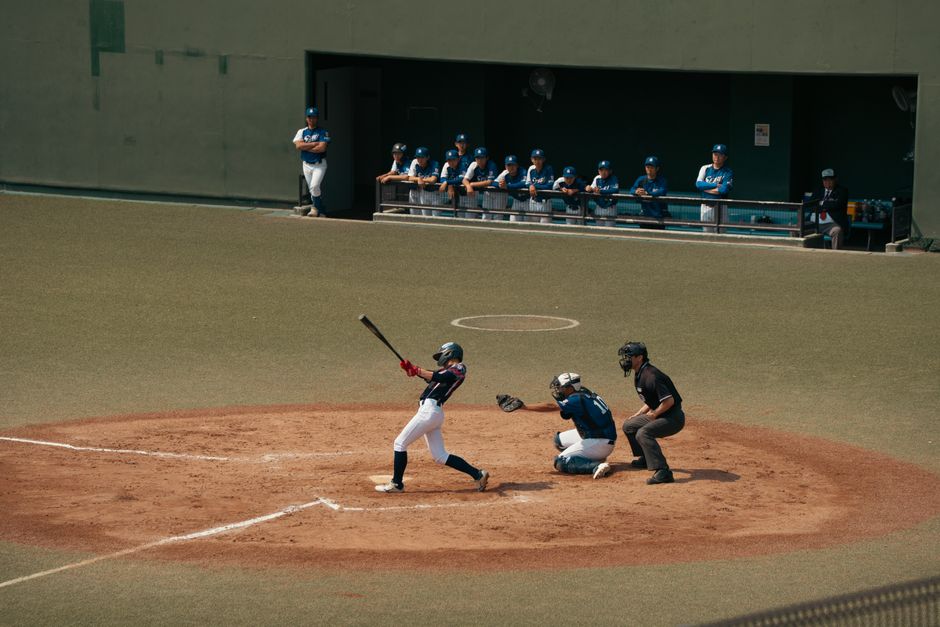
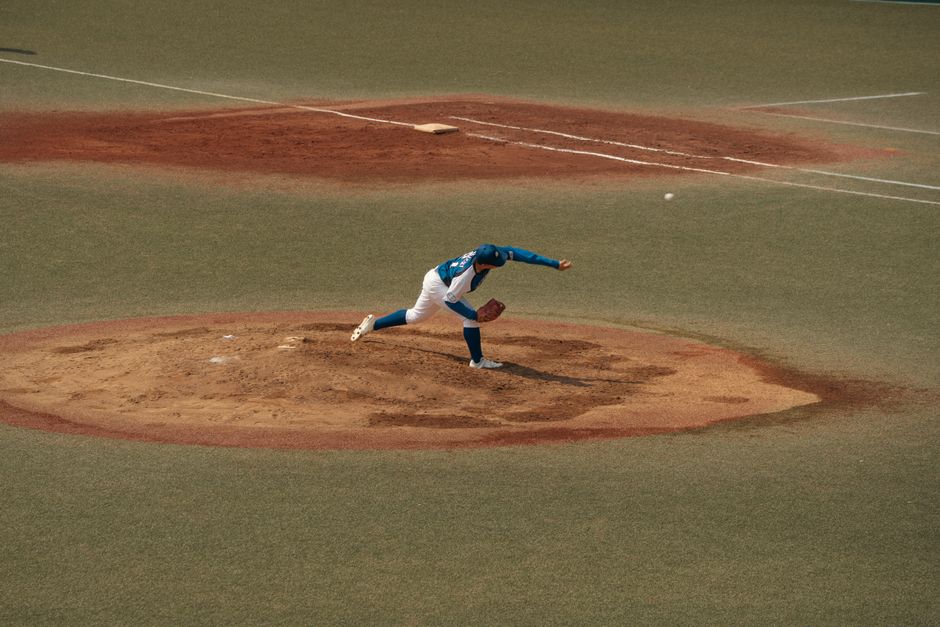
Baseball fever peaks simultaneously. The Nippon Professional Baseball season accelerates toward autumn playoffs, with the Yomiuri Giants and Tokyo Yakult Swallows competing fiercely for Central League supremacy. The Tokyo Dome in Bunkyo, which holds 55,000, will likely host multiple decider matches. Ticket prices for playoff games typically range from ¥3,000 to ¥12,000, though secondary markets have seen finals-bound matches exceed ¥20,000 this year.
Perhaps most intriguing is the National Volleyball League's championship series. The V.League women's division has experienced explosive growth in Tokyo, with matches at Metropolitan Gymnasium in Minato attracting increasingly younger crowds—average attendance rose 23 percent year-on-year to approximately 4,200 spectators. The final series, expected mid-to-late August, could challenge venue capacity constraints.
Logistical considerations loom large. Tokyo's transportation authority has flagged potential congestion on the Marunouchi Line serving the Stadium, with frequency increases already scheduled for peak match days. Local restaurants and convenience stores near Shinjuku and Shibuya venues have implemented extended hours.
Weather poses another variable. Typhoon season typically peaks in August, raising questions about potential postponements. The Japan National Stadium's partial roof remains incomplete in certain sections, unlike many modern facilities, creating weather-dependent contingencies for organizers.
Stadium operators report high operational costs during this compressed season—estimated at ¥8-12 million per match including staffing, security, and maintenance. Revenue projections hinge entirely on attendance figures and television rights distributions.
For Tokyo residents and sports tourists alike, the next eight weeks represent an extraordinary convergence of competitive intensity across three major sports, all competing for attention, attendance, and the city's finite stadium resources.
This article was compiled by AI from the sources linked above and screened before publishing. See our editorial standards.