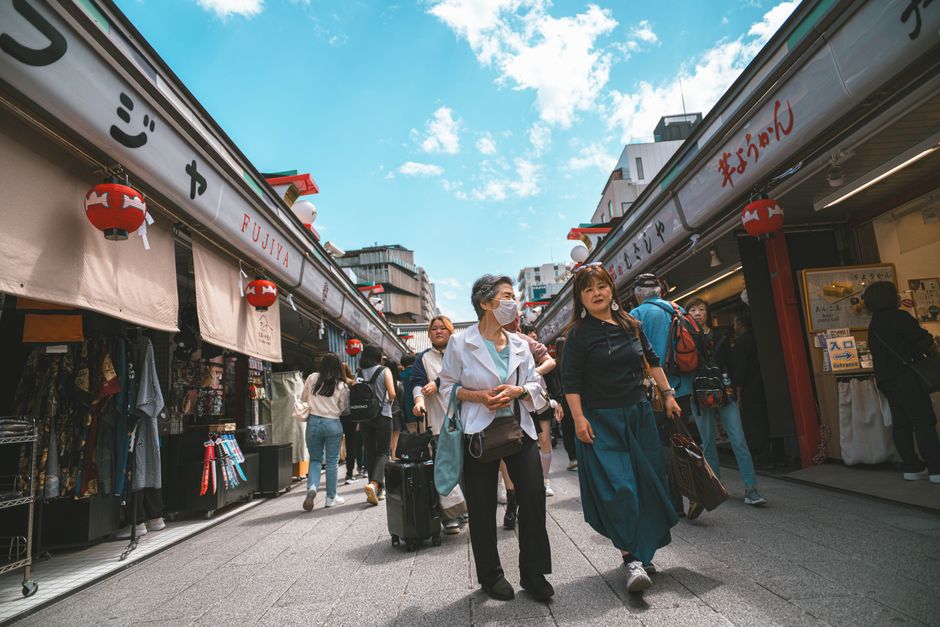
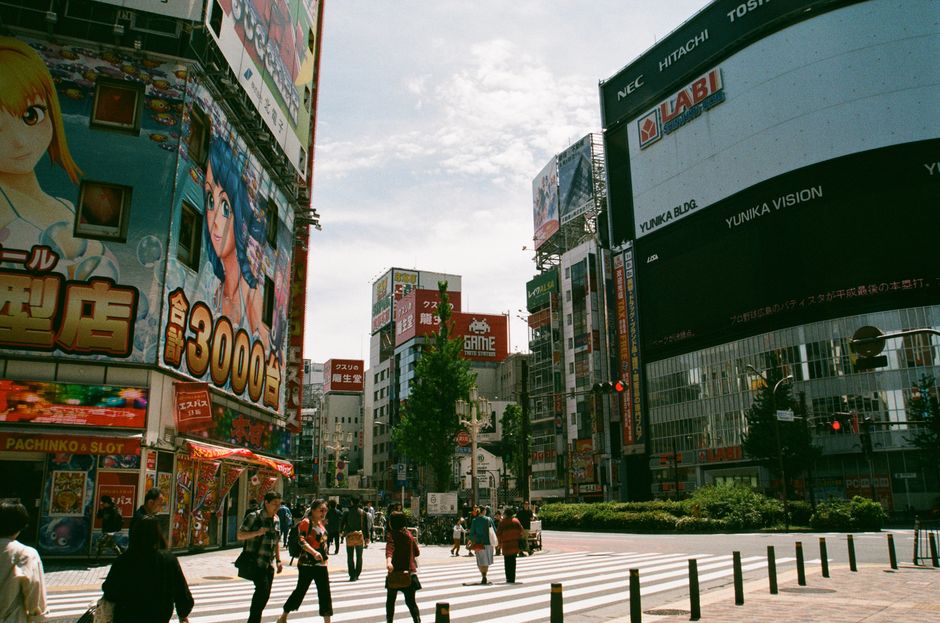
Walk through Akihabara's electric-lined streets in 2026, and you'll see the contradiction that defines Tokyo's artificial intelligence advantage: vending machines offering AI-powered personalized snacks alongside centuries-old shrine maintenance practices. This paradox—where cutting-edge technology coexists with deep cultural tradition—is precisely what makes this city's tech ecosystem distinctive globally.
Unlike Silicon Valley's move-fast-break-things mentality or Beijing's state-directed AI ambitions, Tokyo's approach is fundamentally different. The city's 37 active AI startups in the Minato and Shibuya wards are solving problems rooted in Japan's specific demographic crisis: an aging population expected to shrink by 20 percent by 2050. This constraint has become innovation's catalyst.
Consider robotics and manufacturing AI. Companies clustered around Nihonbashi's historic business district are developing AI systems that enhance—rather than replace—human workers. A manufacturing firm in nearby Chiyoda recently integrated machine learning into assembly lines, increasing productivity by 34 percent while retaining the 200-person workforce. This "augmentation first" philosophy reflects Japan's cultural emphasis on harmony and continuity, creating exportable models for aging economies worldwide.
The Shibuya Innovation Lab, housed in a renovated 1970s office building, exemplifies Tokyo's distinctive approach. Rather than pursuing flashy consumer AI, resident companies focus on "boring" yet profitable problems: inventory optimization, predictive maintenance for industrial equipment, and elder-care coordination systems. One resident startup just secured 2.8 billion yen in Series B funding for an AI platform that helps small retailers across Japan manage supply chains—unglamorous work that generates steady revenue.
Tokyo's tech ecosystem also benefits from what might be called "aesthetic AI." Design-forward companies integrate artificial intelligence into products emphasizing user experience and beauty—a Japanese priority often overlooked in Western markets. This sensibility attracts talent from across Asia and increasingly from Europe, creating a genuinely international but distinctly Tokyo-flavored innovation hub.
The cost structure differs too. While San Francisco engineers command $200,000-plus salaries, Tokyo offers exceptional talent at 12-16 million yen annually, yet with access to a workforce trained in both cutting-edge AI and traditional Japanese business practices. Office space in Minato costs roughly one-third of comparable San Francisco locations.
As geopolitical tensions reshape global tech supply chains, Tokyo's position as a trusted, culturally sophisticated alternative to American and Chinese AI development centers grows increasingly valuable. The city isn't trying to out-innovate Silicon Valley. Instead, it's building something fundamentally different: AI built for sustainability, longevity, and human flourishing—qualities the world is increasingly demanding.
This article was compiled by AI from the sources linked above and screened before publishing. See our editorial standards.