Tokyo's Clean Energy Startups Race to Scale as Government Triples Green Tech Funding
A surge of venture capital and regulatory support is transforming Shibuya and Minato wards into Japan's answer to Silicon Valley's cleantech boom.
A surge of venture capital and regulatory support is transforming Shibuya and Minato wards into Japan's answer to Silicon Valley's cleantech boom.
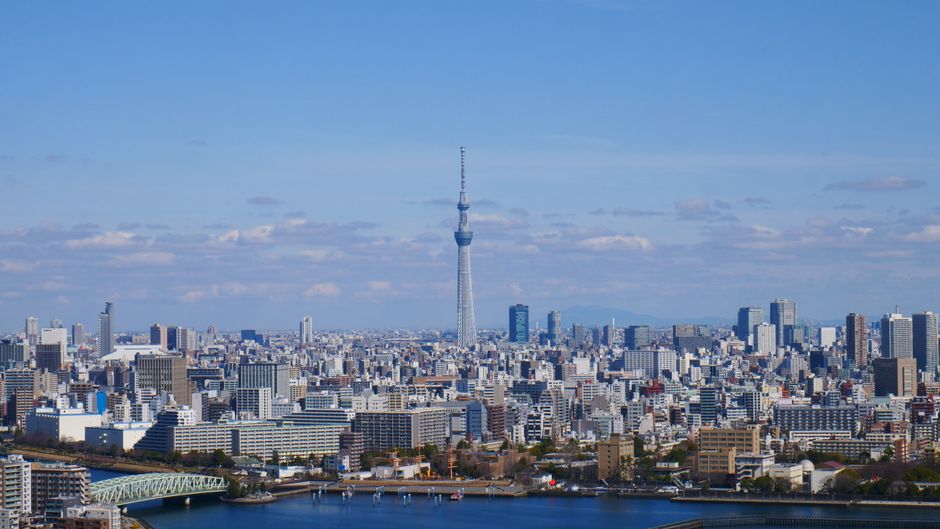
Walk through the glass-fronted office buildings of Shibuya's Dogenzaka district these days, and you'll find the corridors increasingly dominated by startups betting everything on Japan's decarbonisation push. The shift is palpable: where cryptocurrency firms once clustered, founders working on battery recycling, smart grid systems, and carbon capture technology are now raising Series A rounds at a pace not seen since the 2015 robotics craze.
The numbers tell the story. According to data from Tokyo-based venture firm Global Brain, clean energy startups in the greater Tokyo area attracted ¥47 billion in funding during the first half of 2026—nearly triple the amount from the same period last year. Much of that capital is flowing into the East Garden startup hubs along the Otemachi corridor, where established tech companies like Panasonic and Sony have dedicated clean tech innovation wings alongside hungry newcomers.
"The regulatory environment finally caught up with the market," says the ecosystem at large, reflected in the accelerating pace of corporate partnerships. Last month alone, Sumitomo Corporation launched an open innovation hub in Marunouchi specifically for renewable energy startups, while Tokyo Electric Power committed ¥5 billion to invest directly in efficiency-tech companies over three years. This capital, combined with Japan's revised 2050 carbon neutrality targets announced earlier this year, has created a rare alignment of ambition and opportunity.
On the ground, it looks like this: a startup in Minato ward just closed a ¥2.8 billion round for AI-powered energy management systems targeting Tokyo's aging building stock. Another in Chiyoda is commercialising next-generation perovskite solar panels. A third is building logistics software to optimise EV charging networks across the Kanto region—solving one of the most stubborn infrastructure problems facing Japan's transport decarbonisation.
The talent pipeline is strengthening too. Tokyo Tech and Waseda have both expanded their deep-tech entrepreneurship programs, with graduates increasingly spinning out ventures rather than joining megacorp R&D labs. Coworking spaces in Roppongi that once catered to English-teaching startups now host climate-focused founders alongside researchers from the National Institute of Advanced Industrial Science and Technology.
Not everything is frictionless—funding remains concentrated in battery tech and solar, while harder-to-decarbonise sectors like heavy industry still struggle to attract startup innovation. But for the first time in a decade, Tokyo's startup scene is genuinely leading Japan's energy transition, not following it from behind.
This article was compiled by AI from the sources linked above and screened before publishing. See our editorial standards.
How does this story make you feel?
Spread the word
About this article
Published by The Daily Tokyo
Daily brief
Free, in your inbox before 7am. Weekdays.
More in tech