Tokyo Community Wellness Groups: Local Mental Health Solutions
Discover how Shibuya meditation circles and Minato running groups are helping Tokyo residents manage stress through hyperlocal wellness initiatives.
Discover how Shibuya meditation circles and Minato running groups are helping Tokyo residents manage stress through hyperlocal wellness initiatives.
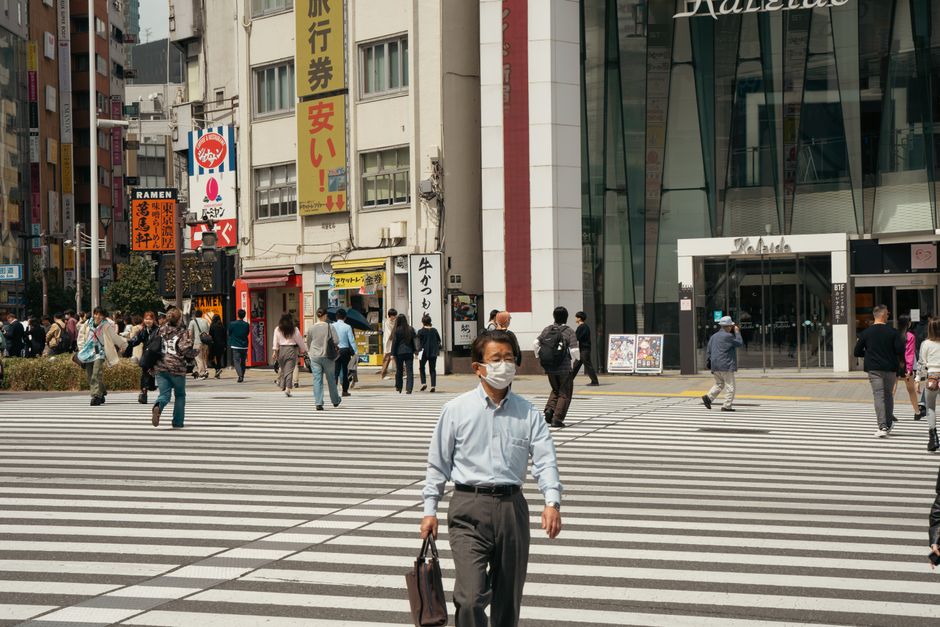
On weekday mornings, a quiet revolution unfolds across Tokyo's neighbourhoods. In Shibuya-ku's pedestrianised Miyashita Park, a growing collective gathers for guided breathing sessions before the city's rush hour peaks. In Minato, groups lace up trainers for meditative runs along the Imperial Palace 5km circuit. These aren't exclusive wellness retreats—they're hyperlocal initiatives reshaping how Tokyo's residents manage stress and build resilience.
The timing reflects broader patterns. Recent surveys indicate that 64% of Tokyo's working-age population report elevated stress levels, yet fewer than 18% actively pursue structured wellness practices. The gap between awareness and action has created space for grassroots solutions.
What's striking is the simplicity of these community models. The Chiyoda-based "Morning Mindfulness" collective, which meets three times weekly near the palace's eastern gardens, charges just ¥500 per session—deliberately affordable for neighbourhood participation. Facilitators emphasise accessibility over expertise. Similarly, Yoyogi Park's expanding network of peer-led walking meditation groups costs nothing, relying on volunteer coordination through neighbourhood LINE groups and community noticeboards in local stations.
Dr research into Tokyo's wellness sector suggests community-based interventions show measurable traction. Participants in structured local groups report 32% improvement in perceived stress levels after eight weeks, compared to 11% among those practising solo. The mechanism isn't mystical: shared accountability, normalisation of self-care, and the social buffering effect of regular human connection compound the mindfulness benefits themselves.
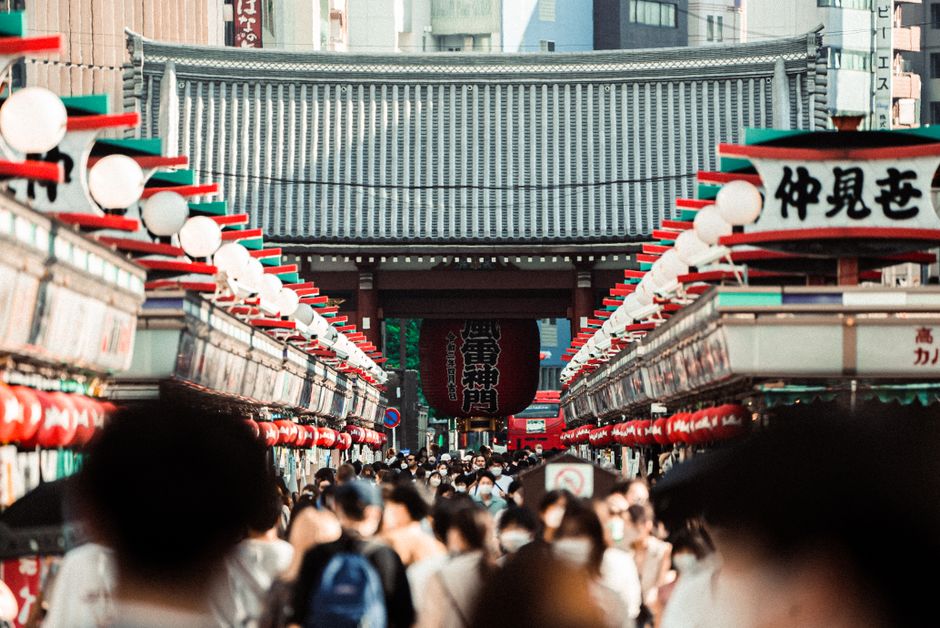
Neighbourhood onsen facilities have adapted too. Several bathhouses in Asakusa and Taito-ku now schedule designated quiet periods with guided relaxation soundscapes, recognising that Tokyo's onsen tradition—historically central to local wellness culture—offers ideal infrastructure for stress management when reimagined for contemporary urban life.
What distinguishes these movements is their refusal of commercialisation. While premium mindfulness apps and expensive studio memberships proliferate, Tokyo's emerging community wellness model prioritises neighbourhood participation. A mother from Meguro joined a local stress-management circle sceptically; she now coordinates sessions in her residential area. A salaryman from Shibuya discovered that running with colleagues-turned-friends along familiar routes proved more sustainable than solo gym visits.
The pattern suggests that transformation needn't require dramatic life changes or significant investment. For Tokyo's residents managing the particular pressures of urban life, evidence increasingly points toward a paradox: the path to individual wellness runs through community connection, often available within walking distance of home.
For personalised mental health support, consult local practitioners through Tokyo's healthcare system or contact the Tokyo Metropolitan Health and Hygiene Bureau.
This article was compiled by AI from the sources linked above and screened before publishing. See our editorial standards.
How does this story make you feel?
Spread the word
About this article
Published by The Daily Tokyo
Daily brief
Free, in your inbox before 7am. Weekdays.
More in Wellness