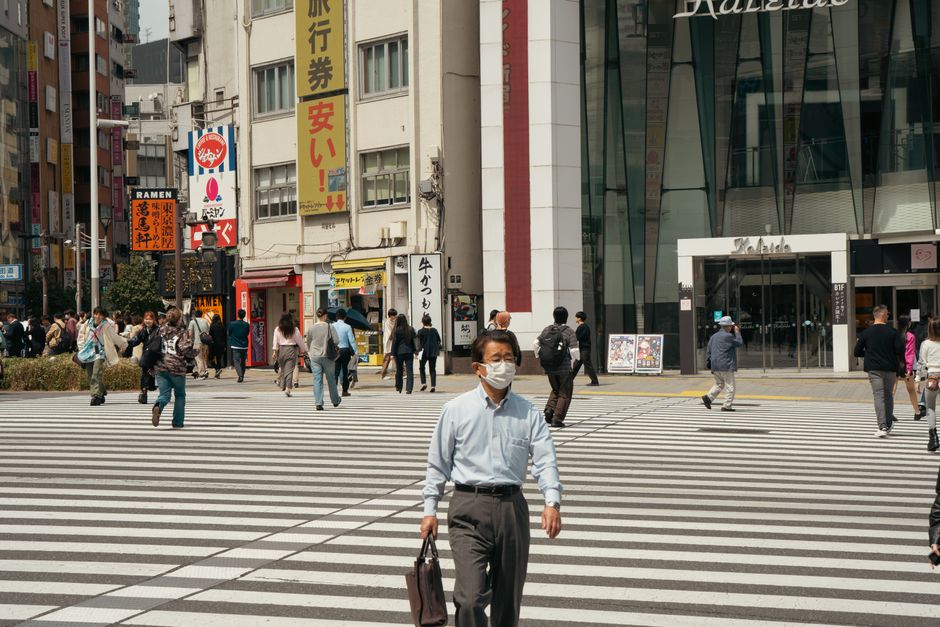
Walk along the Imperial Palace's 5-kilometre circuit on any weekday morning, and you'll notice a shift in the crowd. Mixed in with the usual joggers are silver-haired walkers with excellent posture, resistance bands looped over their shoulders, and deliberate, purposeful strides. This is active ageing, Tokyo-style—and it's becoming impossible to ignore.
The trend reflects a broader reorientation in Japan's approach to senior wellness. Rather than accepting decline as inevitable, Tokyo's healthcare ecosystem and fitness culture are now centred on the principle that movement, maintained intelligently, can preserve independence well into the eighth and ninth decades. The timing matters: Japan's population aged 65 and over now exceeds 29 per cent, making mobility and injury prevention not just personal health concerns but a public health imperative.
In Minato Ward, physiotherapy clinics specialising in postural rehabilitation and fall prevention have proliferated. Roppongi's wellness studios now dedicate entire class schedules to low-impact strength work and balance training—what practitioners call "joint-protective exercise." Prices typically range from ¥3,000 to ¥6,000 per session, with many studios offering discounted packages for regular participants aged 60 and above.
Yoyogi Park has become a visible hub. The park's running culture, traditionally the domain of younger athletes, now accommodates walking groups, tai chi circles, and guided mobility sessions. The Tokyo Metropolitan Government has quietly expanded signage and rest facilities along popular walking routes, acknowledging that accessibility matters as much as ambition.
Local community centres (kominkan) across wards like Shibuya and Shinjuku have introduced subsidised mobility programmes. At around ¥500 per session, these offer seniors structured strength and flexibility work in accessible neighbourhood spaces—a model that sidesteps the intimidation factor of commercial gyms.
What's driving adoption isn't marketing alone. Conversations among Tokyo's seniors increasingly reflect a desire to avoid the immobility that earlier generations accepted as normal. Stories of 70-year-olds maintaining hiking ability, or 65-year-olds returning to competitive walking, circulate through community networks and family groups. The message is simple: intentional movement now means freedom later.
Tokyo's world-class healthcare infrastructure supports this shift. Orthopedic assessment and preventive physiotherapy are integrated into standard health screenings, and insurance coverage for mobility-focused intervention is expanding. For many seniors, the path from awareness to action has become straightforward.
The trend reflects neither vanity nor denial of ageing. Instead, it represents a pragmatic embrace of what research consistently shows: that movement quality and consistency matter profoundly for quality of life. In Tokyo, where urban design already favours walking and where cultural respect for longevity runs deep, active ageing isn't a fad. It's becoming the new normal.
This article was compiled by AI from the sources linked above and screened before publishing. See our editorial standards.