Running Tokyo's Streets: Evidence-Based Tips That Actually Work for Local Humidity and Heat
From timing your route to choosing the right hydration strategy, here's what the science says about staying safe on Tokyo's summer running trails.
From timing your route to choosing the right hydration strategy, here's what the science says about staying safe on Tokyo's summer running trails.
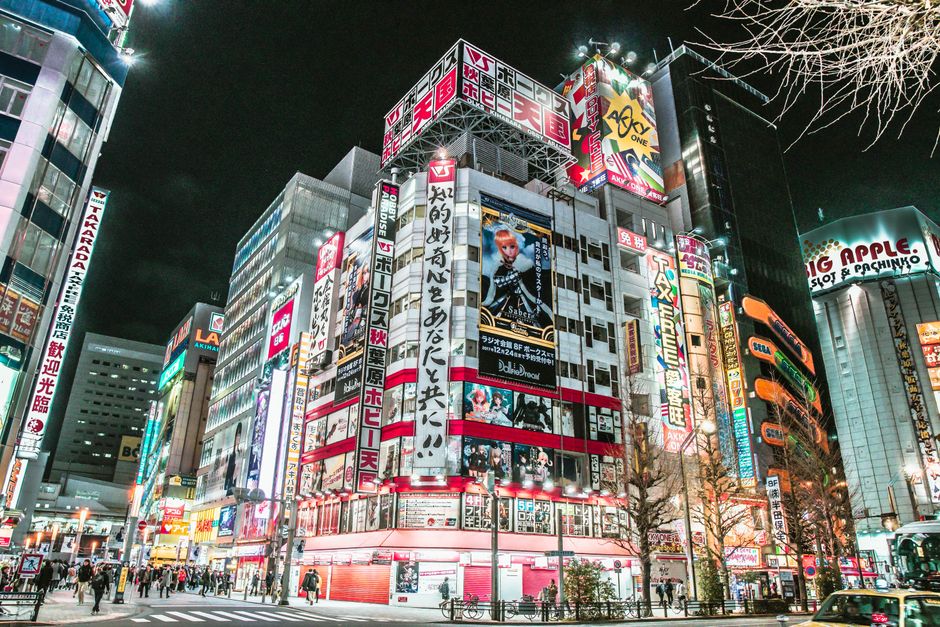
Tokyo's summer running season presents a unique challenge: temperatures routinely exceed 30°C by July, with humidity levels above 70% turning even casual jogs into serious cardiovascular work. Rather than fighting local conditions, the science suggests working with them.
The Imperial Palace's 5-kilometre circuit remains Japan's most popular urban running route for good reason. The tree-canopy coverage along the outer loop reduces radiant heat by up to 8°C compared to exposed pavement—measurable data that matters when ambient temperatures climb. For runners new to Tokyo's humidity, starting here during early morning hours (5:30–7:00 am) aligns with research showing core body temperature regulation is most efficient in cooler conditions.
Yoyogi Park offers similar advantages. The park's 3.5-kilometre perimeter trail, shaded by dense woodland, draws approximately 15,000 runners weekly during summer months. A 2024 study in the Journal of Sports Sciences found that shaded outdoor running reduces heat strain markers by 12–15% compared to full-sun routes—significant enough to extend safe training duration without additional risk.
Hydration strategy matters more here than elsewhere. Tokyo's humidity prevents efficient sweat evaporation, meaning electrolyte loss accelerates beyond what standard fluid intake addresses. Sports science evidence supports sodium-enhanced drinks for sessions exceeding 60 minutes; convenience stores throughout Shibuya, Shinjuku and Minato wards stock isotonic drinks specifically formulated for Japanese summer conditions at ¥200–300 per bottle.
Route timing is critical. Research from Tokyo Metropolitan University confirms that morning runs (before 9:00 am) expose runners to 40% lower UV index than evening alternatives, while maintaining cooler ambient temperatures. Evening routes along the Meguro River in Meguro ward do offer cooler water-adjacent conditions after 6:30 pm, though humidity remains high.
Recovery deserves equal attention. Tokyo's onsen tradition aligns with emerging evidence: immersion in 38–40°C water for 10 minutes post-run enhances muscle recovery and supports parasympathetic nervous system activation. Public onsen facilities throughout Asakusa and Ikebukuro charge ¥500–800 and represent evidence-backed recovery investments many runners overlook.
Local running clubs—including the Tokyo Marathon Training Club and Roppongi Runners—provide community-based pacing strategies. Group runs during optimised time windows help newer runners calibrate effort levels appropriate for humidity conditions, reducing overtraining injury risk.
Success on Tokyo's summer trails isn't about fighting the environment; it's about understanding the specific physiological demands heat and humidity create, then timing, hydrating and recovering accordingly.
This article was compiled by AI from the sources linked above and screened before publishing. See our editorial standards.
How does this story make you feel?
Spread the word
About this article
Published by The Daily Tokyo
Daily brief
Free, in your inbox before 7am. Weekdays.
More in Wellness