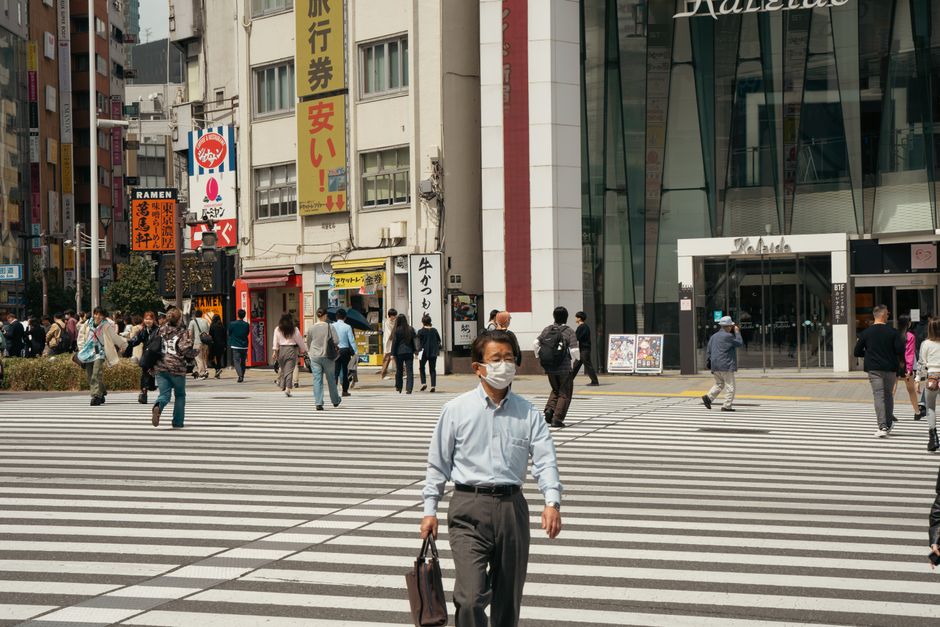
Walk through Yoyogi Park on any weekday morning, and you'll see Tokyo's active-ageing philosophy in action: groups of seniors moving through tai chi sequences, power-walkers tackling the 5km Imperial Palace circuit, and community fitness classes that have become as much a fixture as the cherry blossoms themselves. But behind this visible wellness culture lies growing scientific evidence that repositions ageing not as decline, but as a phase requiring intentional, research-backed movement strategies.
Recent gerontological research published in Japanese medical journals has reinforced what Tokyo's healthcare system has long emphasized: structured physical activity in adults over 65 significantly reduces fall risk, preserves muscle mass, and maintains cardiovascular health. A 2025 study from Tokyo Metropolitan Geriatric Hospital found that seniors engaging in 150 minutes of moderate activity weekly showed measurable improvements in balance metrics and reduced hospitalization rates by 23% over three years.
Dr. Hiroshi Suzuki, director of the Japan Sports Medicine Society's ageing research division, points to mobility as the cornerstone of longevity. "Movement isn't separate from health outcomes—it's foundational," he explained in recent research forums. The evidence supports this: physical activity preserves bone density, reduces sarcopenia (age-related muscle loss), and maintains neural plasticity crucial for cognitive function.
Tokyo's infrastructure uniquely supports this approach. The Imperial Palace 5km loop, free and accessible from Chiyoda ward, has become an informal outdoor laboratory for active ageing. Similarly, onsen facilities—traditionally viewed through a wellness lens in Japanese culture—are increasingly recognized by research as providing therapeutic warmth that improves circulation and reduces joint stiffness in older adults.
Local organizations formalize this science into practice. The Minato Ward Community Health Centre offers evidence-based mobility classes at approximately ¥1,500 per session, while volunteer-led groups in Shibuya and Shinjuku coordinate free walking circuits designed around cardiovascular research parameters. The cost-benefit analysis is compelling: preventive movement programmes cost a fraction of managing chronic disease or mobility loss later.
The research consensus extends beyond physical metrics. Recent longitudinal studies show that social connection—integral to Tokyo's group-based fitness culture—independently predicts longevity and cognitive preservation in older adults. When seniors exercise together, they're simultaneously addressing isolation, a documented risk factor equivalent to smoking.
As Japan confronts demographic shifts, the science around active ageing has shifted from optional to essential. Tokyo's approach—grounding wellness tradition in research-backed methodology—offers a replicable model where longevity becomes less about adding years and more about preserving the mobility, independence, and engagement that define quality of life.
This article was compiled by AI from the sources linked above and screened before publishing. See our editorial standards.