Five Daily Habits Tokyo Locals Swear By for Sustainable Eating
From Tsukiji's morning markets to neighbourhood teishoku restaurants, Tokyoites have perfected routines that keep nutrition effortless and affordable.
From Tsukiji's morning markets to neighbourhood teishoku restaurants, Tokyoites have perfected routines that keep nutrition effortless and affordable.
Walk through Shinjuku Station at 7am and you'll spot them: salarymen clutching small bottles of miso soup, office workers queuing at convenience stores for onigiri and boiled eggs. Tokyo's approach to everyday nutrition isn't complicated or trendy. It's practical, rooted in decades of local habit, and remarkably effective.
The first habit is the morning ritual. Most Tokyoites begin with a small bowl of miso soup—whether homemade or from a 24-hour chain like Yoshinoya—paired with rice and a pickled side. Nutritionists note this combination provides sustained energy and digestive support. A basic bowl costs ¥300–500 across Shibuya or Shinjuku, making it more accessible than a convenience store coffee.
Second is the teishoku meal structure. This set-meal format—available at neighbourhood restaurants from Ginza to Harajuku—automatically portions proteins, vegetables, and grains. A typical lunch teishoku (¥900–1,200) includes grilled fish, miso soup, rice, and three vegetable sides. The standardised approach removes decision fatigue and ensures balanced intake.
Third: the Tsukiji Outer Market principle. Rather than buying processed foods, locals prioritise seasonal produce from local markets. The Toyosu Market (Tsukiji's modern successor) sells fresh vegetables at 20–30% less than supermarkets. Shopping twice weekly for fresh ingredients, rather than weekly bulk shopping, keeps produce quality high and waste low.
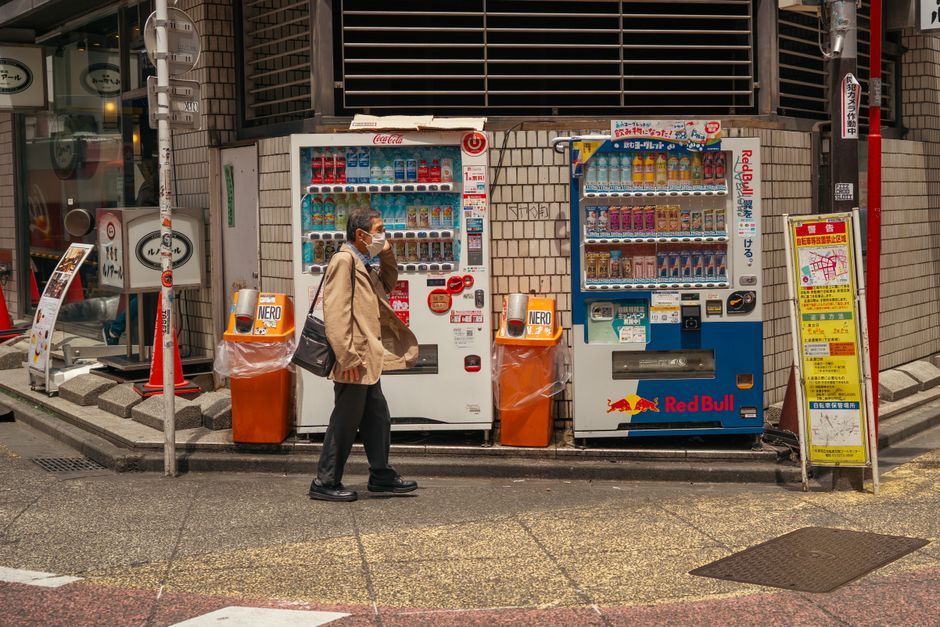
Fourth is the snacking standard. Instead of vending machine drinks or pastries, Tokyoites favour umeboshi (pickled plums), nuts, or edamame. These are available at 7-Eleven and local shops for ¥150–300, provide sustained energy, and align with traditional Japanese nutrition principles.
Finally—and perhaps most crucially—meal timing. Tokyo's structured day encourages eating at consistent hours. Breakfast around 7am, lunch at noon, dinner by 7pm. This rhythm supports natural metabolism and prevents late-night snacking, a practice supported by research on circadian nutrition.
What makes these habits stick isn't willpower. It's infrastructure. Tokyo's abundance of affordable teishoku restaurants, proximity to markets in most neighbourhoods, and cultural acceptance of simple, seasonal eating remove friction from healthy choices. The Imperial Palace 5km running circuit sees morning joggers refuelling at nearby cafes with the same disciplined meal structure.
For residents and visitors alike, the lesson is clear: sustainable nutrition in Tokyo succeeds because locals have built systems, not restrictions. Consistency beats perfection every time.
This article was compiled by AI from the sources linked above and screened before publishing. See our editorial standards.
How does this story make you feel?
Spread the word
About this article
Published by The Daily Tokyo
Daily brief
Free, in your inbox before 7am. Weekdays.
More in Wellness