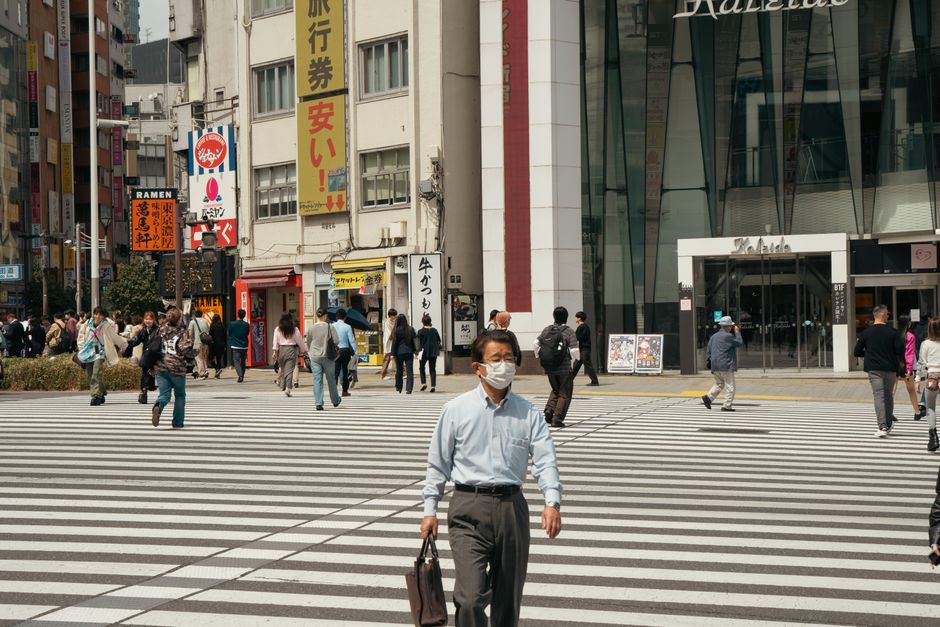
How Tokyo runners built lasting fitness into daily life: Five habits that stick
From riverside sprints to early-morning loops, locals share the unglamorous routines that turned occasional exercise into genuine lifestyle anchors.
From riverside sprints to early-morning loops, locals share the unglamorous routines that turned occasional exercise into genuine lifestyle anchors.
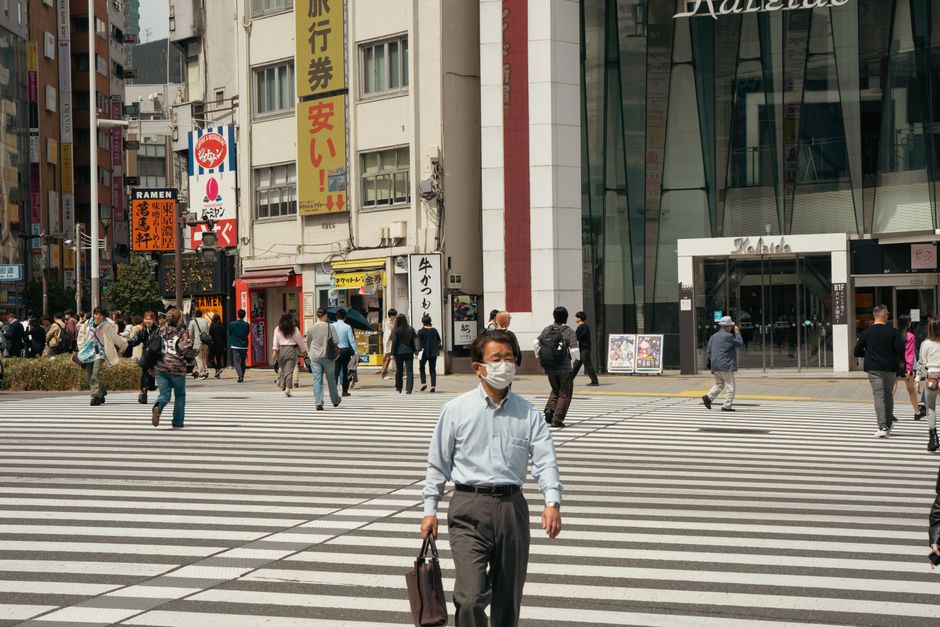
The 5-kilometre Imperial Palace circuit has become Tokyo's most visible running landmark, but the real fitness revolution isn't happening on its manicured paths. It's happening in the smaller decisions: the commuter who exits Iidabashi Station one stop early, the office worker who books a lunchtime slot at a Shibuya running club, the retiree who treats Yoyogi Park like a second home.
These aren't weekend warriors chasing marathons. They're locals who discovered that sustainable fitness requires stripping away ambition and building in convenience instead.
The Tamagawa Canal towpath—running north from Futako Tamagawa through Setagaya and into Kanagawa—has quietly become a favourite among commuters integrating exercise into existing routes. The flat 30-kilometre stretch eliminates the decision-making that kills momentum: no choosing between gyms, no travel time, just pavement outside your neighbourhood. Many regulars treat it as a walking conversation route first, running second, which paradoxically kept them consistent across seasons.
Yoyogi Park's designated joggers' loop formalised a habit Tokyo struggled with historically: community accountability without cost. The park charges no entrance fee, and informal running groups meet throughout the week. Data from Tokyo Metropolitan Government wellness surveys suggests that runners with "park friends" maintain activity levels 60% longer than solo practitioners—not because friendship is motivating, but because cancelling requires social navigation.
The other shift locals embraced: divorced running from performance metrics. Running apps exploded in Tokyo between 2020-2024, but recent wellness clinic feedback indicates that obsessive tracking often precedes burnout. Successful local runners now use pace data sparingly—some check their watch only weekly—and instead anchor habits to time and location: "Tuesday mornings, Meguro River bank, 30 minutes." The specificity removes decision fatigue; the vagueness removes pressure.
Price matters too. A basic running session costs nothing. Shibuya Running Club charges ¥3,300 monthly for coached group runs, but most participants started on free routes first. The Tokyo Marathon lottery system, impossibly competitive since 2015, means many locals gave up race-chasing and returned to running as a standalone activity—which, paradoxically, made them better runners.
The common thread isn't inspiration or discipline. It's friction reduction. Route becomes automatic. Time becomes non-negotiable. Social obligation replaces willpower. These habits compound not because they're exciting, but because they're boring enough to survive a decade.
For anyone building a running habit, consult a local sports medicine clinic or running specialist about proper form and injury prevention tailored to your health profile.
This article was compiled by AI from the sources linked above and screened before publishing. See our editorial standards.
How does this story make you feel?
Spread the word
About this article
Published by The Daily Tokyo
Daily brief
Free, in your inbox before 7am. Weekdays.
More in Wellness