Tokyo's Sleep Revolution: How Quality Rest Became the City's Hottest Wellness Trend
From Shibuya's sleep pods to neighbourhood onsen rituals, Tokyo residents are redesigning their nights—and the wellness industry is racing to keep up.
From Shibuya's sleep pods to neighbourhood onsen rituals, Tokyo residents are redesigning their nights—and the wellness industry is racing to keep up.
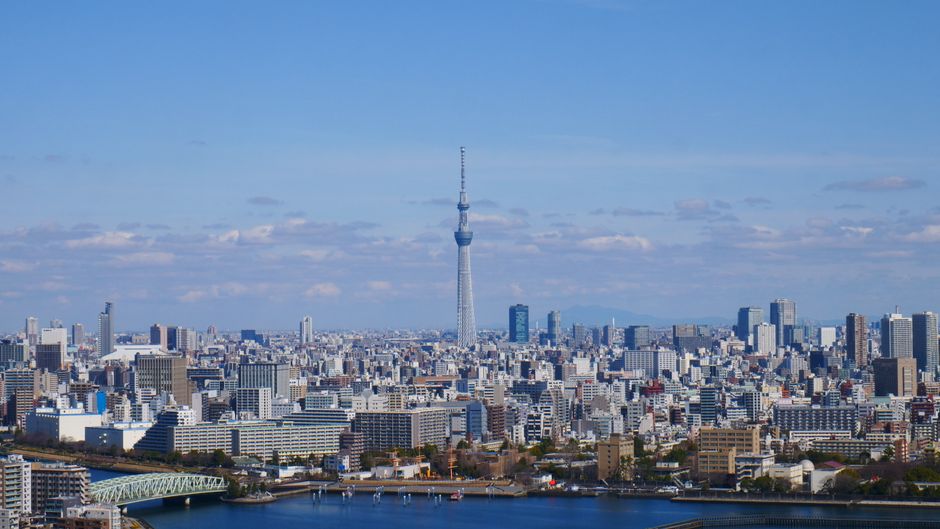
Walk through Shibuya Station at 10 p.m. on a weeknight and you'll spot something unthinkable a decade ago: queues forming outside nap facilities. The Sleep Hotel, which opened on Meiji-dori in 2024, now operates at 85% capacity most evenings. A 20-minute power nap costs ¥1,980. The waiting list extends two weeks ahead.
This shift reflects a broader reckoning in Tokyo. After years of glorifying the salaryman's all-nighter culture, the city's wellness consciousness has pivoted sharply toward sleep as non-negotiable self-care. Recent data from Tokyo Metropolitan Government's health survey shows 62% of residents now prioritize sleep quality as their top wellness concern—up from 34% in 2021.
The change is reshaping neighbourhoods. In Aoyama, boutique sleep clinics have sprouted alongside yoga studios. Minato-ku's wellness centres now dedicate entire floors to circadian rhythm coaching. Even traditional onsen across the city—particularly those clustered near Hakone-bound routes through Shinjuku—have repackaged themselves as sleep sanctuaries, with late-night soaking sessions designed to lower core body temperature before bed.
Yoyogi Park has become an unlikely hub for this movement. Early morning tai chi sessions at 6 a.m. near the Park Plaza have grown from dozens to hundreds of participants. Local fitness organizations report these pre-dawn gatherings function less as exercise venues and more as sleep-optimization communities, where participants discuss sleep tracking apps, blue-light management, and seasonal sleep adjustments.
Chiyoda-ku residents have embraced sleep technology enthusiastically. Sleep tracking devices, white-noise machines, and temperature-regulating bedding systems are now stocked in mainstream convenience stores. Department stores in Ginza dedicate premium floor space to sleep-wellness products, with price points ranging from ¥15,000 for entry-level trackers to ¥280,000 for hospital-grade sleep optimization systems.
Corporate wellness programmes have shifted dramatically too. Tokyo's major companies now offer sleep coaching as standard benefits, recognizing that burnout prevention starts with rest architecture. The Japanese Sleep Medicine Association reports a 340% increase in workplace sleep consultations since 2023.
What's driving this? Partly exhaustion—Tokyo's demanding work culture finally met its match in data showing poor sleep's cascading health costs. Partly technology, which has made sleep quantifiable and improvable. But mostly, it's a cultural permission slip. Sleep is no longer laziness. It's optimization.
For Tokyo's wellness-conscious residents, tonight's quality rest isn't indulgence. It's strategy.
This article was compiled by AI from the sources linked above and screened before publishing. See our editorial standards.
How does this story make you feel?
Spread the word
About this article
Published by The Daily Tokyo
Daily brief
Free, in your inbox before 7am. Weekdays.
More in Wellness