Five evidence-based nutrition tips that actually work in Tokyo's climate and pace
Forget generic diet advice—here's what science says about eating well in a humid summer, long commutes, and limited kitchen space.
Forget generic diet advice—here's what science says about eating well in a humid summer, long commutes, and limited kitchen space.
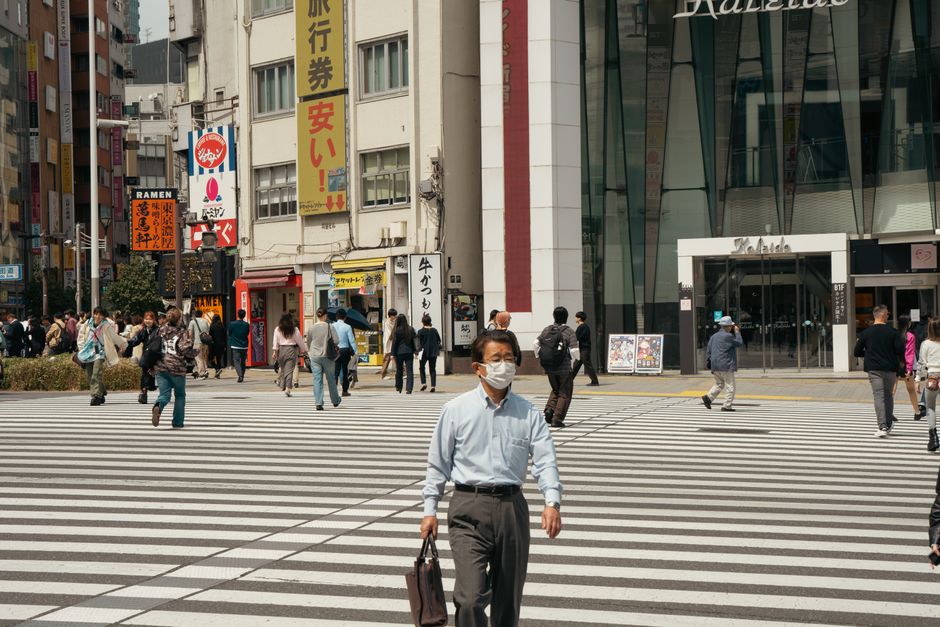
Tokyo's wellness challenge isn't a lack of good food—it's timing, climate, and space. The Japanese Ministry of Health, Labour and Welfare's 2024 dietary guidelines emphasise seasonal eating and portion control, yet most residents navigate 35°C+ humidity, compressed living quarters, and commutes that can stretch two hours. Evidence-based nutrition in this context looks different from Western recommendations.
1. Embrace umami-rich broths during humid months. When temperatures spike, appetite drops—a well-documented physiological response. Instead of forcing large meals, Tokyo's traditional dashi-based soups deliver nutrients with minimal effort. Research in the Journal of Nutrition supports umami's role in satiety signalling. Shops around Toyosu Market and convenience stores stock quality dashi packets at ¥200–¥500, making consistent intake practical.
2. Time carbohydrates around your commute. Studies in Chronobiology International show eating carbs 1–2 hours before sustained standing or walking (the reality of Tokyo's rush hour) stabilises blood sugar better than eating them at desk. This applies whether you're walking Omotesando or standing on the Chiyoda Line. A rice ball from a konbini at 7am outperforms 10am pastries for sustained energy.
3. Prioritise fermented foods for gut health in high-stress environments. The Japan Society of Nutrition and Food Science documents that miso, natto, and kimchi support microbiome diversity—especially relevant in Tokyo's high-stress working culture. A single bowl of miso soup (¥300–¥600 at chain restaurants) provides meaningful probiotic exposure. Neighbourhood miso shops in areas like Setagaya offer fresher varieties than mass-produced versions.
4. Use seasonal produce to reduce food waste and cost. Summer vegetables—edamame, shiso, cucumber—are 30–40% cheaper in June than imported winter produce. Tsukiji Outer Market and Ota Market sell by-the-piece quantities, ideal for single households or couples with limited storage. Economic Research Institute data shows seasonal buying saves ¥2,000–¥4,000 monthly on groceries.
5. Account for kitchen limitations in meal planning. Most Tokyo apartments lack ovens. Instead, invest in a quality rice cooker (¥5,000–¥15,000) and steamer basket—both handle proteins, vegetables, and grains simultaneously. This removes barriers to consistent home cooking, where sodium intake stays controllable compared to restaurant meals.
The evidence is clear: optimal nutrition in Tokyo means working with local constraints, not against them. The Imperial Palace 5km circuit runners and Yoyogi Park regulars know this instinctively. Seasonal eating, strategic timing, and space-conscious tools transform nutrition from another wellness burden into something sustainable.
This article was compiled by AI from the sources linked above and screened before publishing. See our editorial standards.
How does this story make you feel?
Spread the word
About this article
Published by The Daily Tokyo
Daily brief
Free, in your inbox before 7am. Weekdays.
More in Wellness