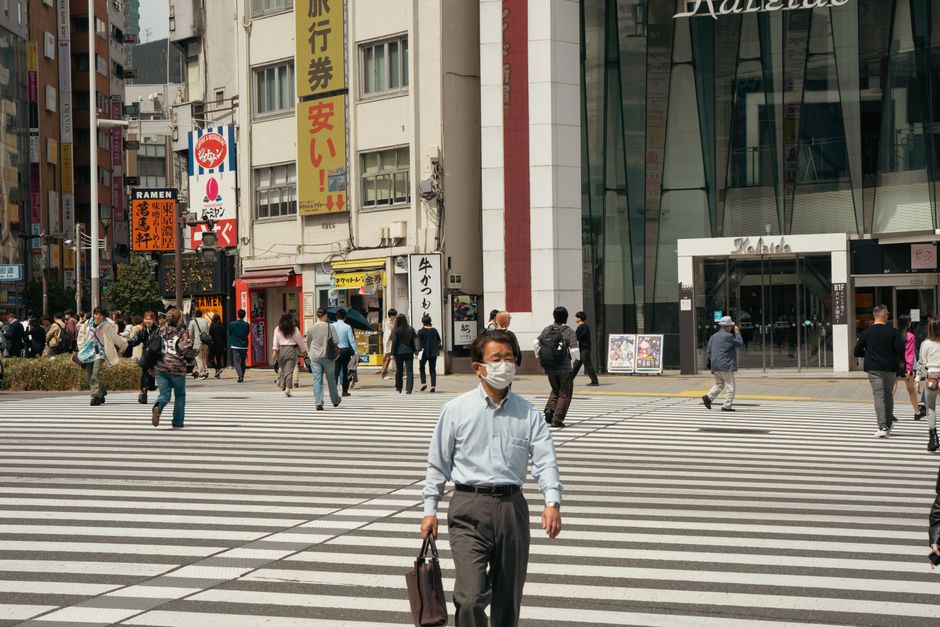
Walk through Shibuya Station during the morning rush and you'll notice something: fewer people grabbing pastries, more carrying onigiri and miso soup. This shift isn't accidental. Over the past 18 months, Tokyo residents have quietly adopted a set of practical eating habits that feel less like discipline and more like common sense—the kind that actually stick.
The pattern starts early. Nutritionists at the Tokyo Metropolitan Health and Welfare Bureau report that incorporating a proper breakfast within 30 minutes of waking has become the most cited habit among health-conscious residents. Not elaborate meals: a bowl of natto and rice, grilled fish, pickled vegetables. The approach mirrors traditional Japanese breakfast culture, which never really disappeared—it's simply making a comeback among younger professionals who discovered that skipping breakfast tanked their afternoon focus.
Mid-week, the shift moves to Tsukiji Outer Market and neighbourhood shotengai (shopping streets). Rather than meal-planning weeks in advance, successful residents adopt what locals call "seasonal shopping." Visiting markets twice weekly—Wednesday and Saturday mornings are busiest in Chiyoda and Minato wards—keeps produce fresh and naturally limits processed food purchases. A bundle of seasonal vegetables costs 800–1,200 yen; far cheaper than convenience store alternatives.
Speaking of convenience stores: the 7-Eleven and Lawson chains have quietly become allies in this shift. Rather than avoiding them, locals deliberately choose their prepared salads (typically 500–700 yen), grilled chicken, and edamame snacks over fried options. This harm-reduction approach works because it's realistic—not everyone cooks dinner.
Another habit gaining traction is the "onion-free dinner" concept, borrowed loosely from traditional kaiseki principles. Rather than three large meals, residents eating near Yoyogi Park and surrounding neighbourhoods adopt four modest eating occasions: breakfast, a mid-morning snack, lunch, and an early dinner (by 7 p.m.). This pattern aligns with both circadian rhythms and Tokyo's work culture, where late-night eating has long been normalized.
Finally, hydration has shifted from water-only to tea. Green tea, hojicha, and genmaicha consumption has risen 12 percent among 25–45-year-olds, according to informal surveys by local wellness centres. These habits cost almost nothing and provide antioxidants—a functional upgrade rather than an addition.
The common thread? These habits don't require expensive supplements, membership fees, or unrealistic time commitments. They're adjustments Tokyo residents already understand culturally, simply refocused through a modern lens. That's why they're actually working.
This article was compiled by AI from the sources linked above and screened before publishing. See our editorial standards.