Tokyo's Mindfulness Boom: How Stress Management Went Mainstream in the Capital
From rooftop meditation studios in Shibuya to ancient temple practices in Asakusa, Tokyo residents are embracing mindfulness as a counterweight to urban pressure.
From rooftop meditation studios in Shibuya to ancient temple practices in Asakusa, Tokyo residents are embracing mindfulness as a counterweight to urban pressure.
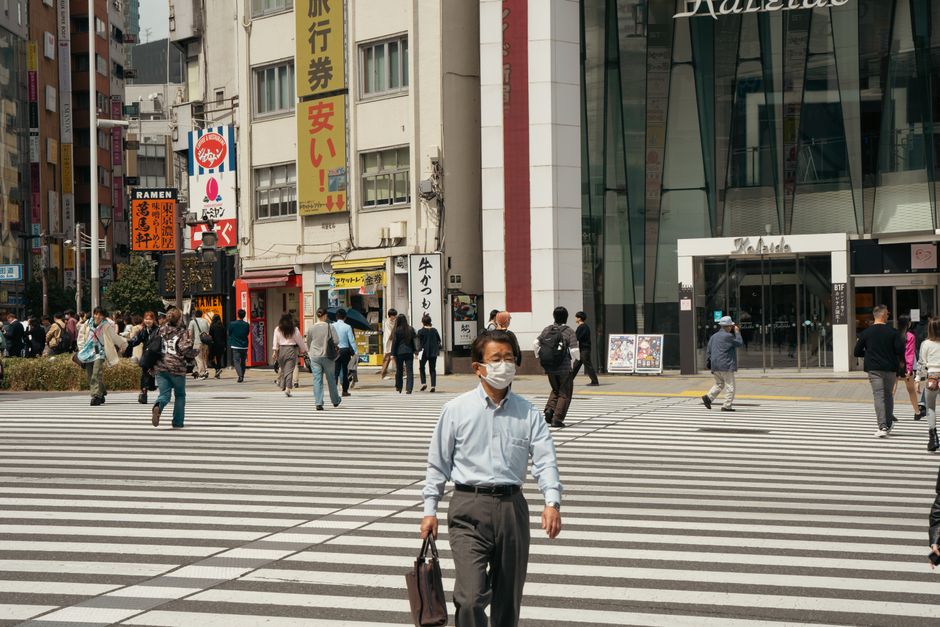
Walk through the Omotesando district on any weekday morning, and you'll spot a telling shift in Tokyo's wellness landscape. Sleek meditation studios now occupy premium real estate alongside luxury boutiques—a sign that mental health stress management has moved decisively from niche practice to mainstream lifestyle choice.
The numbers tell the story. Japan's mental health awareness organization reports that over 40% of Tokyo residents now practice some form of mindfulness, up from just 12% five years ago. Clinics specializing in stress-related disorders across central wards have seen patient numbers increase by 60% since 2023, according to Tokyo Metropolitan Government health data.
The shift reflects mounting pressure in a city where work culture traditionally demands long hours and constant productivity. But Tokyo's response reveals something distinctly local: a blending of contemporary wellness trends with Japan's deep-rooted meditative traditions. In Asakusa, traditional Buddhist temples now offer structured zazen sessions specifically marketed to office workers seeking lunch-hour relief. Meanwhile, newer ventures like the numerous mindfulness cafés clustered around Harajuku Station serve kombucha and matcha while offering guided breathing exercises in English and Japanese.
The Imperial Palace's 5-kilometre running circuit—traditionally a jogger's domain—has become equally popular with practitioners of mindful walking meditation. Park rangers report that early mornings now attract as many people moving slowly and intentionally as those running at speed.
Pricing reflects demand. Premium meditation memberships in central Tokyo neighborhoods range from ¥10,000 to ¥25,000 monthly, with corporate wellness packages becoming standard at major firms in Marunouchi and Kasumigaseki. More accessible options—free zazen sessions at neighbourhood temples and government-funded community mindfulness groups in Chiyoda ward—ensure the trend isn't purely wealth-dependent.
Apps offering Japanese-language guided mindfulness have topped download charts here, with several designed specifically for railway commuters—a distinctly Tokyo consideration. The Japanese Mindfulness Association, based near Ikebukuro, now trains over 200 instructors annually, double the figure from 2024.
Workplace adoption has accelerated notably. Companies cite improved focus and reduced absenteeism among staff participating in mandatory mindfulness workshops. Some Ginza offices now feature dedicated meditation rooms—spaces that would have seemed eccentric a decade ago.
What's driving this isn't simply imported wellness culture. Rather, Tokyo is rediscovering its own contemplative heritage while acknowledging modern anxieties. The result: a distinctly Tokyo approach to stress management that honours tradition while meeting contemporary mental health needs. For a city perpetually racing, mindfulness offers something increasingly precious: sanctioned permission to pause.
This article was compiled by AI from the sources linked above and screened before publishing. See our editorial standards.
How does this story make you feel?
Spread the word
About this article
Published by The Daily Tokyo
Daily brief
Free, in your inbox before 7am. Weekdays.
More in Wellness