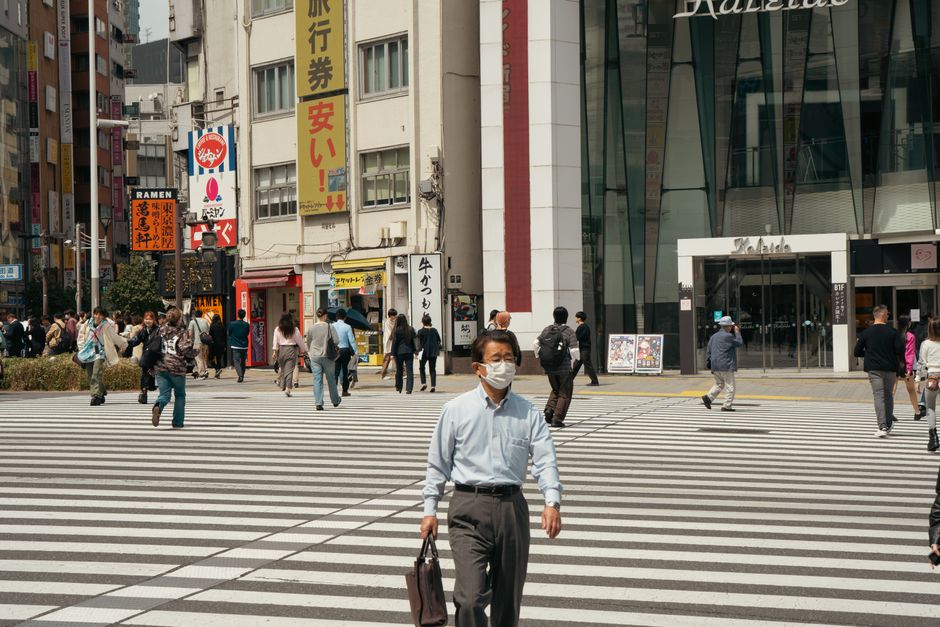
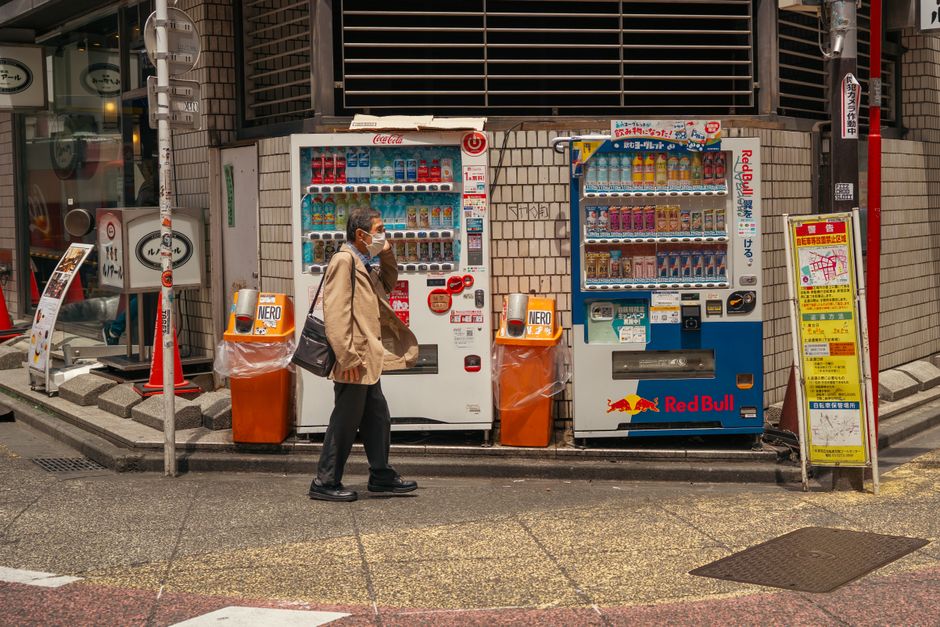
Tokyo's sleep debt is well documented. Long commutes, demanding work culture, and the relentless hum of urban life have created a generation of chronically fatigued residents. Yet most people endure poor sleep as an inevitable feature of metropolitan life rather than a treatable condition. This summer, as temperatures push toward 35°C and humidity makes restful nights increasingly elusive, a growing number of Tokyo professionals are turning to specialist sleep medicine—and discovering that targeted intervention actually works.
The Sleep Medicine Clinic in Minato ward, located a five-minute walk from Roppongi Station on the Hibiya Line, operates as a bridge between Japan's world-class healthcare system and practical lifestyle medicine. Unlike generic sleep consultation, the clinic combines polysomnography testing—measuring brain waves, oxygen levels, and muscle activity during sleep—with detailed lifestyle audits covering exercise timing, caffeine intake, light exposure, and bedroom environment. A full diagnostic assessment costs approximately ¥35,000 to ¥45,000, typically covered partially by Japanese health insurance depending on your plan.
What distinguishes the facility is its rigorous local approach. Clinic staff understand Tokyo-specific sleep disruptors: the electromagnetic stimulation from constant smartphone use, the irregular schedules of shift workers across multiple time zones, and the psychological pressure of living in one of the world's most competitive urban environments. They work with clients to calibrate realistic interventions—not generic advice, but personalized protocols accounting for your actual commute, your office layout, your access to parks like nearby Yoyogi.
Recent data from the clinic shows that roughly 60% of first-time patients receive a sleep disorder diagnosis requiring specialist attention, while 40% discover their poor sleep stems from modifiable lifestyle factors: exercise timing, blue light exposure, or room temperature mismanagement during Tokyo's intense summers. For the latter group, structured guidance—combined with simple interventions like thermal management or modest shifts to activity schedules—produces measurable improvement within three to four weeks.
The clinic also coordinates with Yoyogi Park's running circuit and local onsen facilities, recognizing that Tokyo's strongest wellness traditions can be integrated into modern sleep medicine. Evening walks along the Imperial Palace circuit, for instance, or strategic use of onsen bathing to regulate circadian rhythms, form part of comprehensive treatment planning.
Booking requires a referral from your primary care physician, though many clinics in central Tokyo can facilitate this quickly. Initial consultation typically occurs within two weeks. For anyone experiencing chronic fatigue, irregular sleep patterns, or night-time disruption—particularly as summer heat intensifies—specialist assessment offers clarity that generic wellness advice cannot provide.
This article was compiled by AI from the sources linked above and screened before publishing. See our editorial standards.