Tokyo's Best Running Routes: Evidence-Based Tips That Actually Work for Local Conditions
From Imperial Palace circuits to Yoyogi Park trails, here's what the science says about maximizing performance in Tokyo's summer heat and humidity.
From Imperial Palace circuits to Yoyogi Park trails, here's what the science says about maximizing performance in Tokyo's summer heat and humidity.

Tokyo runners face a unique challenge: training effectively in one of the world's most humid urban environments. Rather than fight the conditions, evidence-based strategies can help you adapt.
The Imperial Palace 5km running circuit remains a gold standard for good reason. The tree-lined route around Chiyoda ward offers shade coverage—critical during Tokyo's brutal summer months. Research published in the Journal of Sports Sciences shows that shaded routes reduce core temperature rise by 1-2 degrees Celsius compared to exposed paths, translating to better performance and safer training. Start early: most serious runners hit this loop between 6-7am, when temperatures are 5-8 degrees cooler than midday peaks.
Yoyogi Park's varied terrain provides natural interval training benefits. The gentle uphills near Meiji Shrine entrance build strength without the joint stress of flat, repetitive pounding. A 2024 study in Sports Medicine found that varied-gradient training improves running economy by 3-5% compared to flat circuits alone. The park's 3.5km loop is ideal for tempo runs; the 1.5km lakeside section works well for recovery jogs.
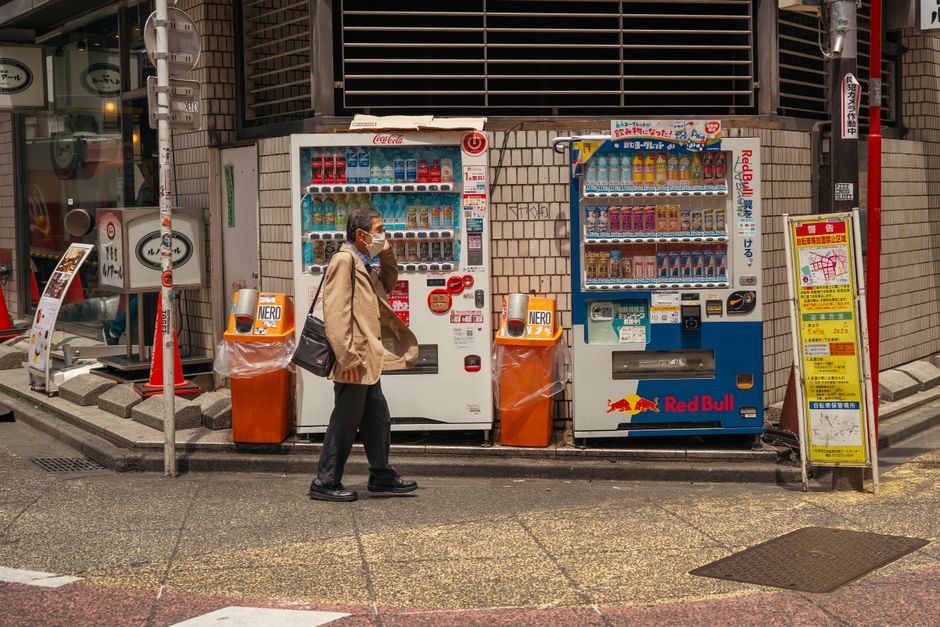
Humidity management matters more than most runners realize. Tokyo's summer averages 70-80% humidity, significantly impairing sweat evaporation. Sports physiology data suggests starting hydration 15-20 minutes before runs, not during. Many runners use vending machines near Roppongi Hills or Odaiba waterfront stations, but planning ahead with a hydration belt prevents dehydration-induced performance drops of 10-15%.
Consider seasonal shifts strategically. Winter (December-February) offers ideal running conditions with 40-50% humidity and temperatures around 5-10°C. This is when Tokyo's serious amateur runners peak. Summer training should focus on base-building at lower intensities rather than speed work—saving hard interval sessions for October through March.
Surface selection influences injury risk significantly. The Tamagawa Canal Trail in Setagaya offers softer ground than concrete, reducing impact forces by up to 40% according to biomechanics research. For urban routes, Ginza's wider pavements are preferable to Shibuya's crowded sidewalks, where attention lapses increase injury risk.
Investment-wise, Tokyo's running clubs and coaching services are accessible. Organizations like Chiyoda Running Club and parks departments offer free monthly group runs, allowing you to learn pacing strategies from experienced local runners adapted to Tokyo conditions.
The evidence is clear: success in Tokyo running depends on timing, route selection, and hydration discipline—not heroic effort. Work with your environment, and your times will follow.
This article was compiled by AI from the sources linked above and screened before publishing. See our editorial standards.
How does this story make you feel?
Spread the word
About this article
Published by The Daily Tokyo
Daily brief
Free, in your inbox before 7am. Weekdays.
More in Wellness