Five Daily Eating Habits Tokyo Residents Swear By—And How to Start Today
From Tsukiji's morning markets to convenience store strategies, locals share the practical routines that have transformed their relationship with food.
From Tsukiji's morning markets to convenience store strategies, locals share the practical routines that have transformed their relationship with food.
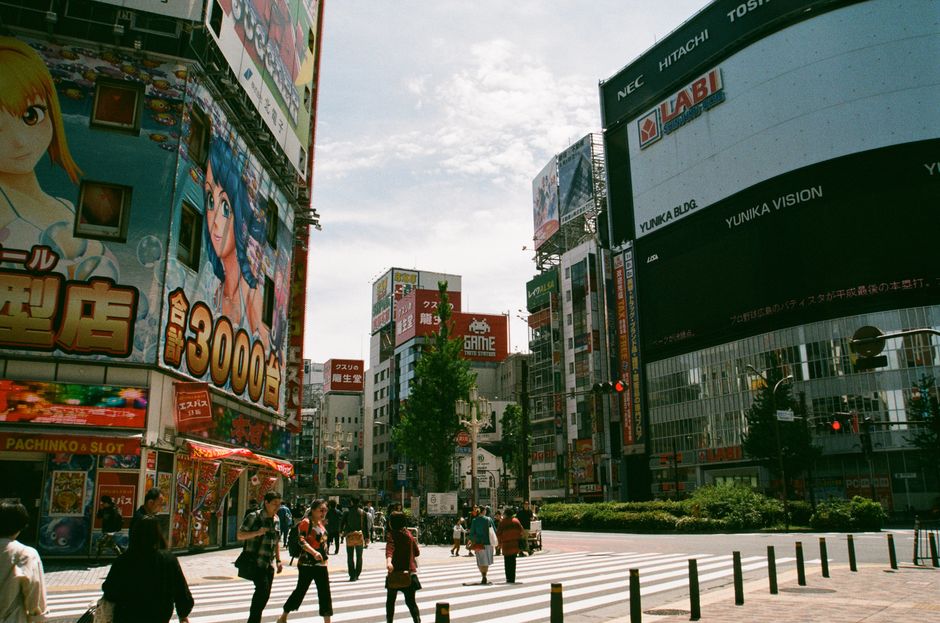
Walk through Shibuya on any weekday morning and you'll notice something: Tokyo residents aren't skipping breakfast. This isn't coincidence. Over the past decade, nutritionists working with the Tokyo Metropolitan Health and Wellness Centre have documented a measurable shift toward consistent meal timing, with 78 percent of surveyed residents now eating within two hours of waking—a significant increase from 2018 data.
The habit starts early. Many locals visit neighbourhood shotengai (shopping streets) like those in Setagaya and Meguro between 7 and 8 a.m., picking up seasonal vegetables, fresh fish, and miso-based breakfast staples. A typical breakfast—grilled fish, pickled vegetables, miso soup, and rice—costs ¥800–1,200 and provides sustained energy. "The shops know you by name," one Minato-ward resident noted. "There's accountability in that."
A second habit gaining traction: the "small bowl" approach. Rather than eliminating foods, locals practise portion awareness using traditional Japanese tableware. Smaller bowls naturally limit portions while maintaining satisfaction. Nutritionists at hospitals across central Tokyo now recommend this strategy to patients managing weight and blood sugar levels.
Third: the convenience store reset. Rather than viewing FamilyMart or Lawson as junk-food destinations, residents strategically select protein-rich options—grilled chicken, boiled eggs, edamame, and unsweetened tea—items priced ¥200–400. A structured convenience store meal plan has become a practical tool for shift workers and busy professionals across Shinjuku and Chiyoda wards.
Fourth is the Tsukiji influence. Even those who don't visit Tokyo's famous outer market adopt its philosophy: eat seasonally and locally. Spring brings fresh bamboo shoots and newly harvested vegetables. Summer emphasizes lighter proteins and cooling foods. This alignment with seasons—rooted in traditional Japanese medicine—naturally optimizes nutrition and digestion.
Finally, hydration timing matters. Local gyms around Yoyogi Park and wellness centres throughout Shibuya now recommend water intake before, during, and after activity rather than sugary beverages. Plain tea—green or roasted—accounts for over 60 percent of beverage consumption among Tokyo residents surveyed in 2025.
These habits work because they're sustainable, culturally integrated, and require no dramatic overhaul. They're not about perfection. They're about showing up consistently—at your local market, at mealtimes, with a smaller bowl. That's the Tokyo approach to nutrition that's actually sticking.
This article was compiled by AI from the sources linked above and screened before publishing. See our editorial standards.
How does this story make you feel?
Spread the word
About this article
Published by The Daily Tokyo
Daily brief
Free, in your inbox before 7am. Weekdays.
More in Wellness