Active ageing on a budget: Tokyo's free and low-cost wellness guide for older adults
From community health centres to park-based exercise classes, here's how seniors can access world-class wellness services without breaking the bank.
From community health centres to park-based exercise classes, here's how seniors can access world-class wellness services without breaking the bank.
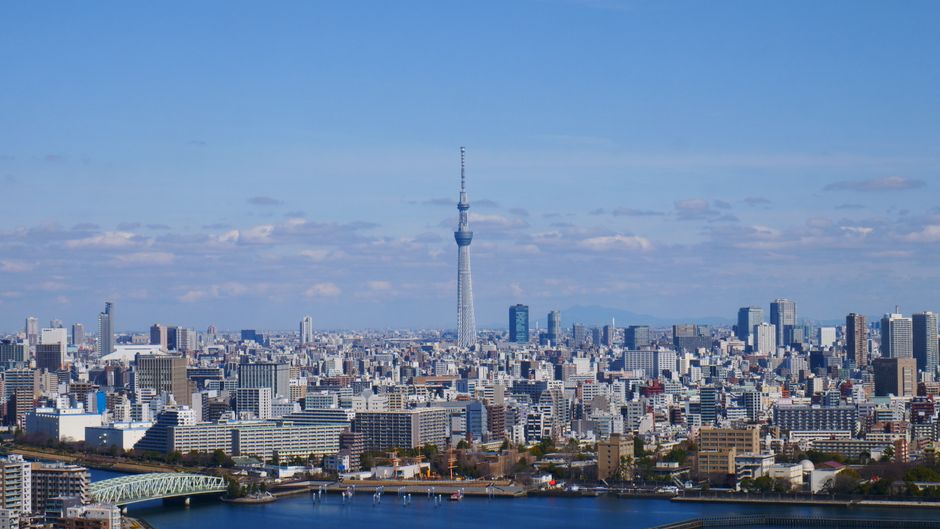
Tokyo's reputation for longevity isn't accidental. The city's robust public health infrastructure means that staying active and mobile in your 60s, 70s and beyond doesn't require expensive gym memberships or private coaching. For older adults navigating active ageing, the capital offers surprisingly accessible pathways to sustained wellness.
Start at your local hokensho (health centre). Every ward operates these municipal facilities, offering free or near-free health screenings, mobility assessments, and posture consultations. Minato ward's Azabu-Juban Health Centre, for instance, provides quarterly balance and gait evaluations at no cost. Many also run low-cost exercise classes specifically designed for fall prevention and joint mobility—typically ¥500 to ¥1,000 per session.
Yoyogi Park remains Tokyo's open-air wellness hub. The Imperial Palace 5km circuit attracts thousands weekly, but the park itself hosts free community tai chi and gentle yoga sessions most mornings. Check with the park's visitor centre near the main entrance for seasonal schedules. These informal groups, often run by retired instructors, require no registration.
The city's onsen wellness tradition offers another avenue. Public bathhouses across Shibuya, Chiyoda and Taito wards charge ¥500-¥700 for entry—far cheaper than private spas. Beyond the thermal benefits, many operate early-morning aqua aerobics classes for ¥1,500 monthly. The therapeutic walking routes in Ueno Park and along the Meguro River are equally free.
For structured support, Tokyo's neighbourhood associations (chonaikai) often coordinate senior walking groups and exercise clubs. Contact your ward office's elderly welfare division to find local options; most charge nominal fees of ¥200-¥500 monthly. Chuo ward's Nihonbashi area, for example, runs established mobility improvement programmes accessible to residents.
Digital access matters too. The Tokyo Metropolitan Government's health app, available free via their official website, tracks activity and offers evidence-based exercise videos tailored to older adults. The system integrates with ward-level health initiatives, meaning residents can log progress and receive personalised guidance at municipal check-ups.
Investment in public wellness reflects Japan's healthcare philosophy: prevention and community participation cost significantly less than intervention. That ethos makes Tokyo uniquely positioned for active ageing without financial burden. The infrastructure exists. The question becomes not affordability, but engagement.
Consult your local ward health centre or primary care physician to find services tailored to your specific mobility needs and fitness level.
This article was compiled by AI from the sources linked above and screened before publishing. See our editorial standards.
How does this story make you feel?
Spread the word
About this article
Published by The Daily Tokyo
Daily brief
Free, in your inbox before 7am. Weekdays.
More in Wellness