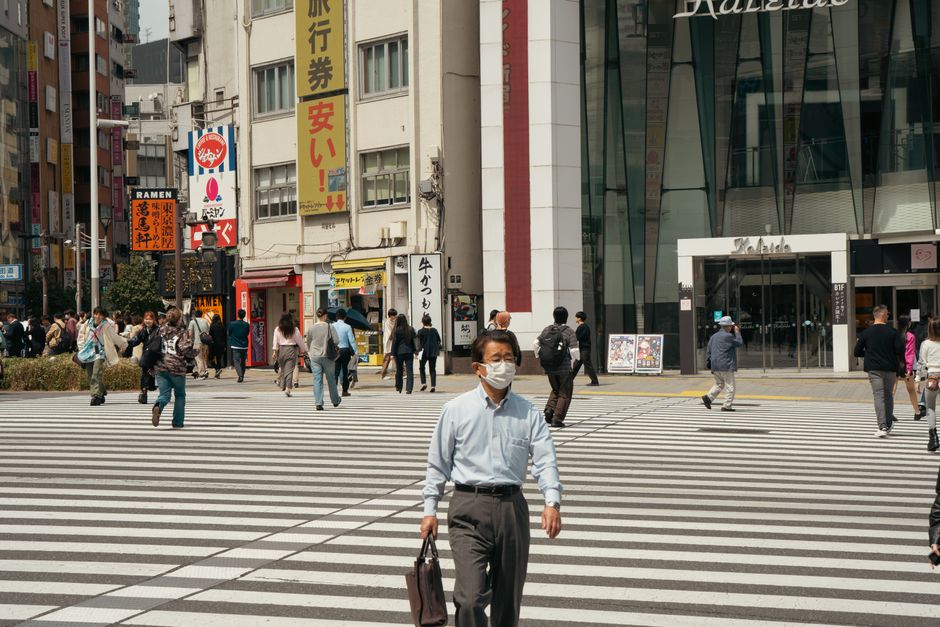
Five years ago, jogging in Tokyo was largely a solitary pursuit, confined to early mornings before rush hour. Today, running clubs gather at dawn across the city's most iconic circuits, transforming what was once a niche fitness activity into a genuine wellness movement that mirrors global trends while staying distinctly Tokyo.
The 5-kilometre Imperial Palace running circuit remains the city's unofficial flagship route, drawing an estimated 2,000 to 3,000 runners daily according to local running communities. But the real shift is happening in the neighbourhoods beyond central Tokyo. The Sumida River pathway—stretching 32 kilometres from Okubo Bridge to the river mouth—has undergone significant upgrades over the past three years, with improved signage, water stations, and rest points now integral to the experience. Similarly, Yoyogi Park's network of trails continues to anchor Tokyo's sports culture, hosting dozens of organised group runs weekly through both commercial gym chains and grassroots running collectives.
The economic momentum behind this trend is undeniable. Running apparel retailers report double-digit year-on-year growth in the Tokyo metropolitan area. Specialist running stores in Shibuya and Shinjuku have expanded their footprints, while neighbourhood running clubs—many free or requiring minimal membership fees of ¥1,000 to ¥3,000 monthly—have proliferated across wards from Chiyoda to Setagaya.
What distinguishes Tokyo's approach is integration with existing wellness infrastructure. The city's renowned onsen culture now intersects with running routines; several facilities near popular circuits offer post-run bathing packages. The Tokyo Metropolitan Government has quietly invested in trail maintenance and signage across the Tamagawa Canal and Asakawa River routes, recognising running's role in preventive health and urban vitality.
Age diversity marks another defining feature. Running groups now span from university-age participants to those in their seventies, reflecting broader conversations around joint health and longevity. Smaller-volume, high-consistency training—increasingly championed by fitness experts—aligns naturally with Tokyo's culture of discipline and incremental improvement.
Yet challenges remain. Air quality during humid summers deters some runners; pollen season still disrupts spring routines. Infrastructure gaps exist in outer wards, and the phenomenon remains concentrated among higher-income demographics.
As Tokyo's healthcare system continues emphasising preventive wellness, running's rise represents more than fitness fashion. It reflects a city-wide recalibration toward outdoor, accessible, community-driven health—one stride at a time.
This article was compiled by AI from the sources linked above and screened before publishing. See our editorial standards.