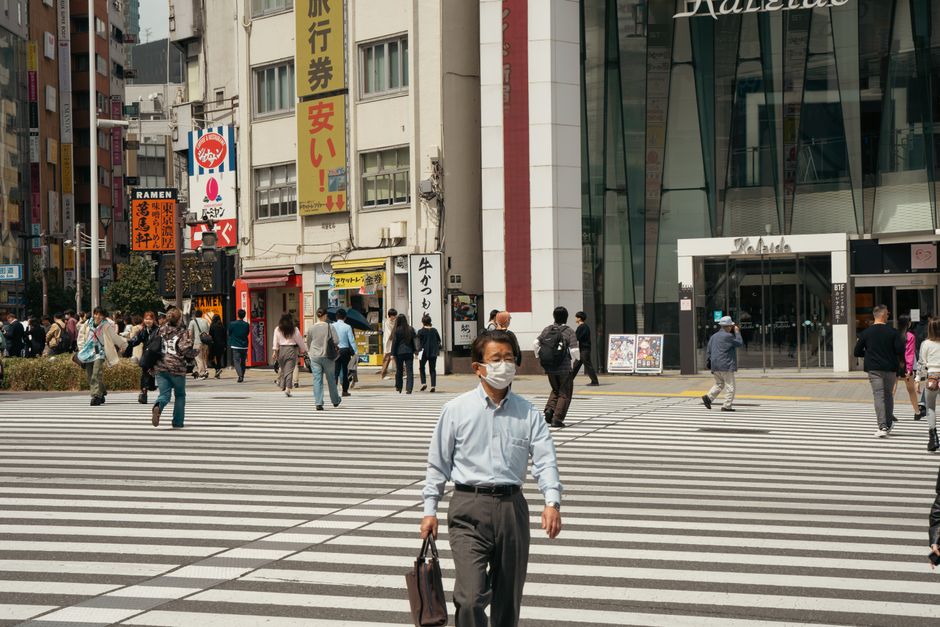
Walk through Roppongi's wellness district on a Tuesday morning, and you'll see it immediately: queues outside cold-pressed juice bars, meal-prep containers stacked in café windows, and chalkboards advertising macronutrient ratios in Japanese and English. Tokyo's nutrition-conscious eating trend has moved beyond niche gyms and crossed into mainstream culture, transforming everything from convenience store offerings to how families approach meals.
The shift is measurable. According to a 2025 survey by the Japan Health and Nutrition Association, 62% of Tokyo residents now actively monitor their daily protein intake—up from 38% just four years ago. Meanwhile, organic produce sales in the Setagaya and Shibuya wards grew by 18% year-on-year, with local markets like the Ota Wholesale Market reporting increased demand for nutrient-dense vegetables and heritage grains.
In Harajuku and along Omotesandō, boutique nutrition clinics have opened at a rate of one every two weeks. These aren't supplement shops; they're consultation spaces where practitioners—many certified through Tokyo's accredited nutrition programs—help clients design eating patterns aligned with their fitness goals and daily routines. A typical initial consultation runs ¥8,000–¥12,000, with meal-planning packages extending to ¥40,000 monthly.
The Imperial Palace's 5-kilometre running circuit has become an unofficial hub for this movement. Post-run nutrition has become as important as the run itself, with a new generation of food vendors near the Kitanomaru Park entrance selling high-protein options that would have seemed niche five years ago. Traditional onsen towns around the Izu Peninsula are also adapting, with wellness ryokans now featuring meticulously balanced kaiseki dinners designed by registered dietitians rather than chefs working from memory alone.
What's driving this? Partly, it's Japan's aging society and healthcare system's emphasis on preventive wellness. But it's also younger professionals—particularly in tech hubs like Shinjuku and Minato—who view nutrition as performance optimization. Social media has amplified this, with #東京ウェルネス食 (Tokyo wellness food) garnering over 890,000 posts on local platforms.
Convenience chains have responded too. All major konbini operators now stock hormone-free eggs, grass-fed meat options, and vegetable-forward bento boxes with transparent nutritional labelling. Prices remain accessible: a balanced meal typically costs ¥1,200–¥1,800.
For those navigating this new landscape, starting locally makes sense. Farmers' markets in Setagaya and producer-direct shops in Shimokitazawa offer seasonal, traceable ingredients. The real trend isn't about perfection—it's about intention, and Tokyo is finally learning to eat that way.
This article was compiled by AI from the sources linked above and screened before publishing. See our editorial standards.