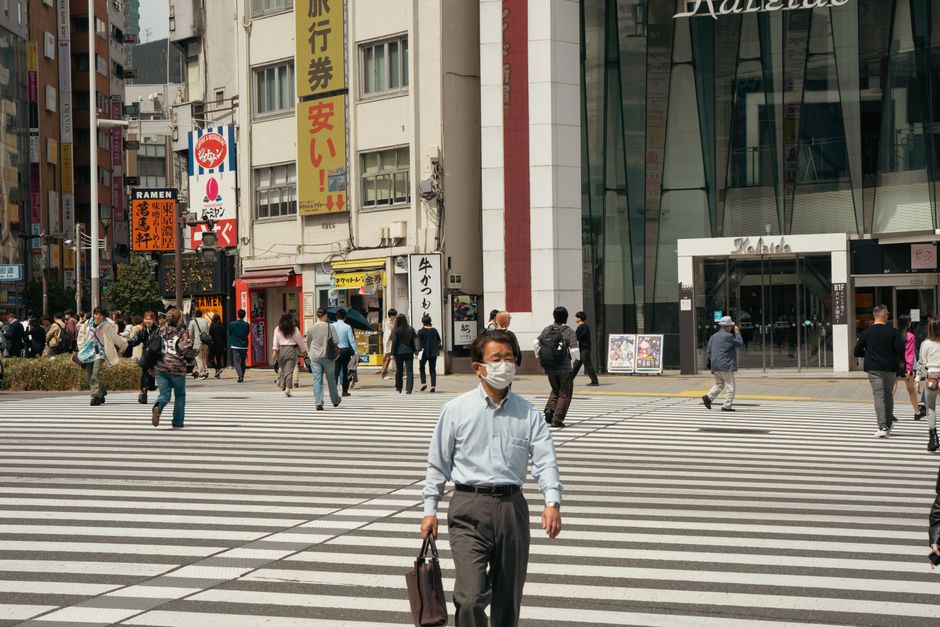
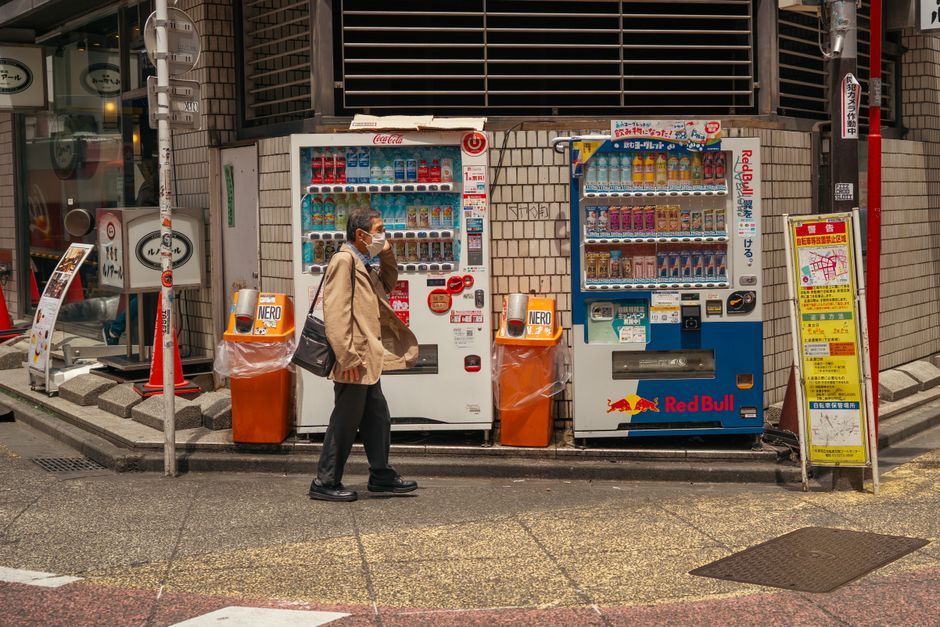
Walk along the Imperial Palace's 5km circuit on any weekday morning, and you'll notice something striking: the paths are filled not with young runners, but with people in their sixties, seventies and beyond. They move with intention—some at a brisk pace, others using Nordic walking poles—part of a broader wellness movement reshaping Tokyo's approach to ageing.
The numbers tell a compelling story. Tokyo's population aged 65 and over now exceeds 2.1 million, roughly 23% of the city's total. Rather than retreating from active life, this demographic is increasingly embracing structured mobility programmes, neighbourhood fitness initiatives and traditional wellness practices reimagined for longevity. The shift reflects both cultural values—Japan's deep onsen wellness heritage merged with modern gerontology—and practical necessity in a city where independence and participation are prized across all life stages.
Yoyogi Park has become a hub for this trend. The sprawling green space now hosts multiple senior-focused fitness classes weekly, from tai chi sessions near the main entrance to low-impact walking groups organised by the Shibuya ward council. Nearby in Omotesando, several wellness studios have launched mobility-focused programmes specifically designed for active ageing—emphasising joint protection, balance work and functional strength rather than intensity.
Beyond flagship venues, the real momentum is happening at neighbourhood level. Community centres (kominkan) across wards like Minato, Chiyoda and Shinjuku report waiting lists for their senior fitness classes, many costing just ¥500–¥1,500 per session. These aren't gentle stretching circles; many incorporate progressive resistance training, gait analysis and fall-prevention protocols informed by Tokyo's world-class healthcare system.
The trend aligns with recent wellness research emphasising that smaller, consistent doses of movement provide significant protection for joints and mobility—particularly relevant for a city where walking remains central to daily life. Tokyo's topography, compact neighbourhoods and excellent public transport infrastructure mean staying active isn't an optional fitness choice; it's woven into urban living.
Local pharmacies and sports shops in areas like Harajuku and Ginza report brisk sales of mobility aids, orthopedic footwear and walking poles, while dedicated retailers near Ikebukuro Station now stock specialised equipment for active older adults. The shift signals that Tokyo's wellness industry is finally catching up with demographic reality—and in doing so, redefining what active ageing looks like in a major metropolitan city.
This article was compiled by AI from the sources linked above and screened before publishing. See our editorial standards.