Five Daily Habits That Keep Tokyo's Wellness-Focused Locals Nourished
From miso soup rituals to strategic konbini choices, here's how Tokyo residents have built sustainable eating patterns that stick.
From miso soup rituals to strategic konbini choices, here's how Tokyo residents have built sustainable eating patterns that stick.
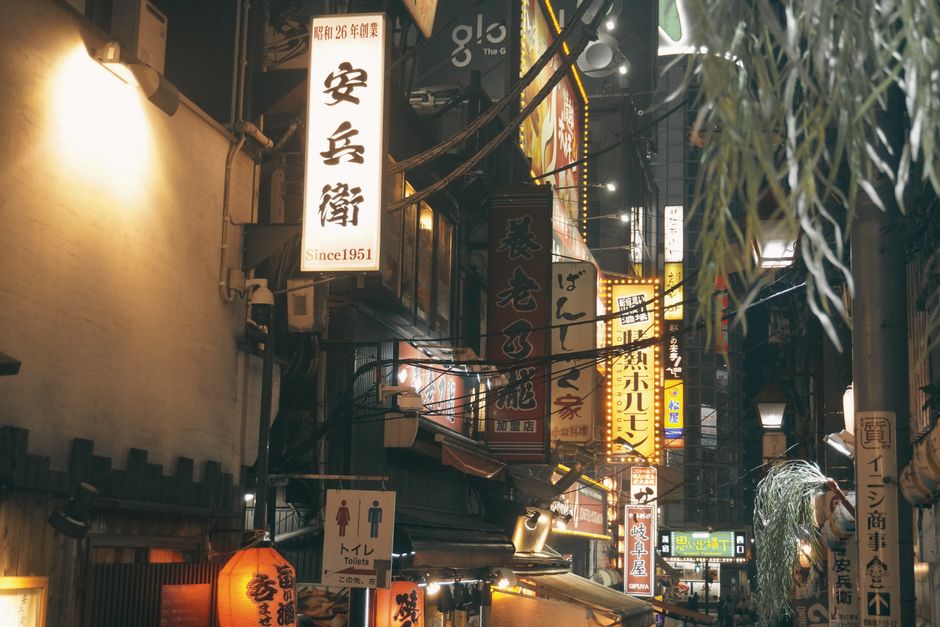
Walk through Ginza or Shibuya on any given morning, and you'll notice something: Tokyo's most health-conscious residents aren't following trendy diets. Instead, they've embedded simple, repeatable eating habits into their daily routines—practices that have quietly shaped the city's approach to nutrition for decades.
The first habit is almost universal: starting the day with miso soup. This isn't nostalgia; it's strategy. A bowl of miso soup with tofu, nori, and seasonal vegetables costs roughly ¥500–¥800 at a local teishoku restaurant in Nihonbashi or Kanda, and delivers probiotics, sodium-balanced electrolytes, and a satiety that carries people through morning commutes. The ritual signals the body that eating has begun thoughtfully.
Second, locals have mastered what we might call "conscious konbini navigation." Rather than avoiding convenience stores, residents of high-density areas like Minato or Chiyoda use them strategically: selecting onigiri (rice balls) filled with umeboshi or salmon, grab-and-go sashimi sets, and ready-made vegetable sides. A study by Tokyo's health promotion council in 2024 found that 62% of office workers in central wards regularly choose protein-focused konbini meals over ramen or fried options.
Third is the neighbourhood market rhythm. Residents near Tsukiji Outer Market, Ota Market in Ōta Ward, or smaller shotengai (shopping streets) in Nakano and Koenji time their vegetable and fish purchases to avoid processed alternatives. This isn't purely nutritional—it's also economic. Seasonal produce costs 20–30% less than imported alternatives, making variety both accessible and affordable.
Fourth, Tokyo's walking culture creates natural meal spacing. The Imperial Palace's 5km running circuit and Yoyogi Park's extensive pathways aren't just for exercise; they structure the day into digestive windows. Residents report eating smaller, more frequent meals—a habit that emerged organically from commuting and movement patterns rather than dietary dogma.
Finally, there's the onsen-adjacent hydration practice. Tokyo's abundant public bathhouses and onsens in areas like Kuramae and Asakusa have reinforced a cultural norm of drinking water intentionally—before, during, and after bathing. This simple habit has become foundational to how locals approach daily fluid intake.
These aren't revolutionary practices. But they work because they're embedded in Tokyo's existing infrastructure and rhythm. They require no subscription, no special knowledge, and no rejection of local food culture. They're sustainable precisely because they're invisible.
For personalised nutritional advice, consult a registered dietitian or your local healthcare provider.
This article was compiled by AI from the sources linked above and screened before publishing. See our editorial standards.
How does this story make you feel?
Spread the word
About this article
Published by The Daily Tokyo
Daily brief
Free, in your inbox before 7am. Weekdays.
More in Wellness