How to Sleep Better in Tokyo: Science-Backed Solutions
Tokyo's humidity and urban rhythm disrupt sleep. Learn evidence-based strategies for managing summer heat, noise, and the city's unique conditions to improve rest.
Tokyo's humidity and urban rhythm disrupt sleep. Learn evidence-based strategies for managing summer heat, noise, and the city's unique conditions to improve rest.
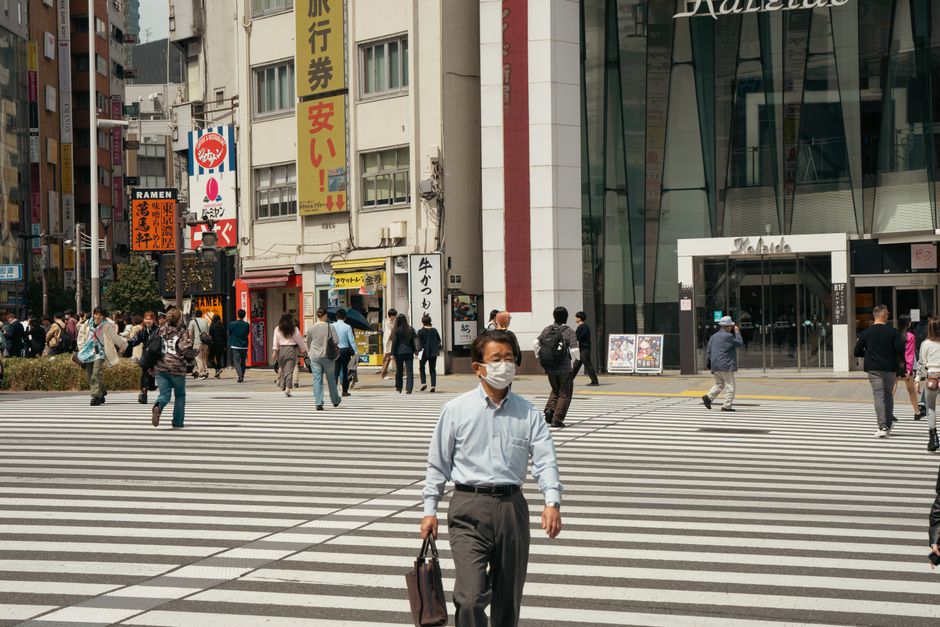
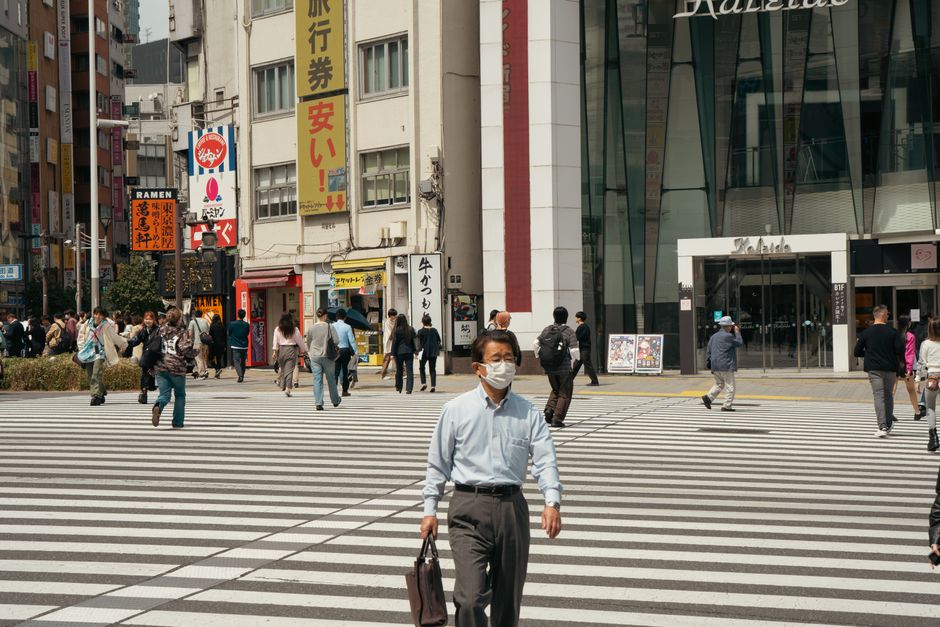
Tokyo's sleep environment presents distinct challenges that generic wellness advice often overlooks. Summer humidity routinely exceeds 70%, ambient temperatures linger above 28°C, and the Yamanote Line's 24-hour pulse means ambient noise differs sharply from rural settings. Recent sleep science research offers practical solutions tailored to these specific conditions.
The Japan Society of Sleep Medicine has documented that Tokyo residents experience average sleep duration of 6.2 hours—below the recommended 7-9 hours—largely due to commute times and air conditioning efficiency. Neuroscience research confirms that maintaining consistent sleep temperature between 16-19°C significantly improves sleep quality, yet many apartments struggle with humidity control. Investing in a dehumidifier (around ¥8,000-15,000 at electronics shops along Akihabara's main thoroughfare) proves more effective than relying on air conditioning alone, which disrupts natural temperature regulation.
Timing matters strategically in Tokyo's context. Workers commuting from neighborhoods like Nakano or Ikebukuro to central districts spend 60-90 minutes traveling. Evidence suggests completing this journey by maintaining a consistent 6:30 AM wake time—even weekends—stabilizes circadian rhythms better than variable schedules. The Imperial Palace's 5km running circuit and Yoyogi Park's morning tai chi communities offer free environmental cues that reinforce biological timing without added expense.
Tokyo's onsen tradition aligns surprisingly well with sleep science. Bathing in water between 40-42°C approximately two hours before bed triggers the thermoregulatory response that initiates sleep onset. Public bathhouses in neighborhoods like Shimmotsutae or chain facilities such as those operated by Japanese spa operators cost ¥500-800 and provide this benefit without home heating costs.
Blue light exposure demands particular attention given Tokyo's neon-dense environment and late-night smartphone use common among office workers. Research from sleep centers shows that discontinuing screen use 90 minutes before bed increases melatonin production by approximately 40%. Setting phone curfews at 10 PM—particularly important given Japan's high work-related stress culture—produces measurable improvements within one week.
Environmental noise remains challenging. The Metropolitan Police Agency reports ambient noise levels near major stations average 65-75 decibels at night. White noise apps (available free or around ¥300 monthly) prove effective, but studies confirm that earplugs specifically designed for side sleepers work better than universal models for Tokyo residents who predominantly use side-sleeping positions.
Sleep quality isn't luxurious—it's measurable biology. Tokyo's unique conditions demand equally specific solutions, not generic advice.
This article was compiled by AI from the sources linked above and screened before publishing. See our editorial standards.
How does this story make you feel?
Spread the word
About this article
Published by The Daily Tokyo
Daily brief
Free, in your inbox before 7am. Weekdays.
More in Wellness