Rest Revolution: How Tokyo Residents Are Transforming Their Health Through Better Sleep
From Shibuya office workers to Asakusa entrepreneurs, locals are discovering that sleep wellness is the foundation of lasting lifestyle change.
From Shibuya office workers to Asakusa entrepreneurs, locals are discovering that sleep wellness is the foundation of lasting lifestyle change.
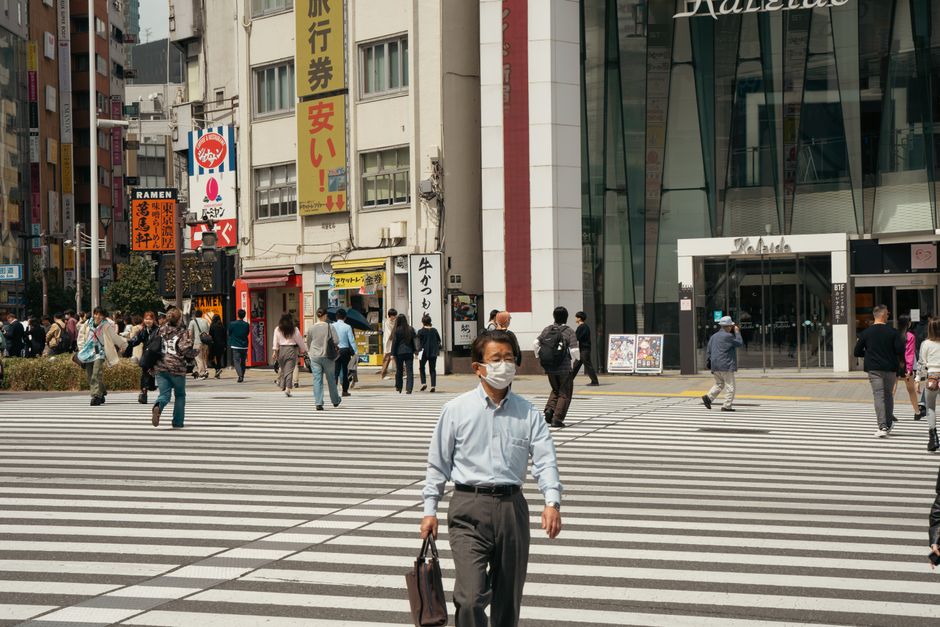
In the heart of Shibuya, where neon signs compete with sunrise, a quiet movement is reshaping how Tokyo residents approach rest. Over the past two years, sleep clinics across the capital have seen a 34% increase in consultations, according to data from the Japan Sleep Research Society. But the real transformation is happening at community level, where ordinary Tokyoites are redesigning their evenings to reclaim their mornings.
The shift began gaining momentum around fitness and wellness spaces that dot neighbourhoods like Aoyama and Harajuku. Yoga studios that once focused solely on morning classes now offer "sleep restoration" sessions in early evening. Yoyogi Park's walking circuits, traditionally busy at dawn, now see evening strollers deliberately slowing their pace—research suggests sunset walks regulate circadian rhythms more effectively than morning routes for those with disrupted schedules.
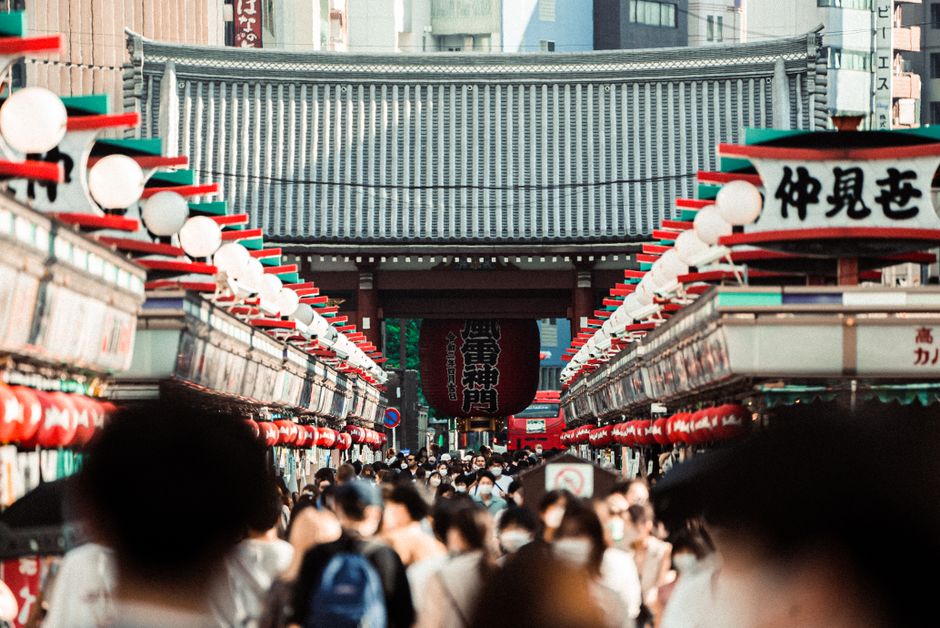
In Asakusa, where traditional wellness culture runs deep, onsen facilities report extended evening hours catering to workers seeking pre-sleep relaxation. The Edo-era bathing ritual, typically associated with morning refreshment, is experiencing renaissance as a wind-down practice. Local operators note that warm water immersion 60-90 minutes before bed correlates with improved sleep onset among their regular visitors.
Community health centres across Minato ward have launched neighbourhood sleep education programs, free consultations that address Tokyo's notorious sleep debt. The average Tokyoite sleeps 6 hours 22 minutes nightly—below the WHO-recommended seven to nine hours. Centre coordinators now teach sleep hygiene basics: blue-light reduction, consistent bedtimes, and temperature management.
What distinguishes these local transformations is their specificity to Tokyo life. Solutions account for apartment living (soundproofing challenges), shift work (common in hospitality and service sectors around Shibuya and Shinjuku), and the psychological weight of urban density. Several community groups near the Imperial Palace 5km running circuit have organised "slow evening" meetups—intentionally low-intensity walks that double as social connection and nervous system regulation.
Pharmacies throughout central wards report steady demand for non-pharmaceutical sleep aids: lavender products, magnesium supplements, and weighted blankets. Prices remain accessible—most wellness interventions cost under ¥3,000 for entry-level products or classes.
The message emerging from these grassroots changes is straightforward: Tokyo's health transformation isn't coming from top-down policy alone, but from residents collectively recognising that rest isn't luxury—it's infrastructure. As one local wellness coordinator noted, sleep is the city's most underutilised public health resource.
For personalised sleep concerns, residents should consult their local GP or contact the Japan Sleep Research Society for clinic referrals.
This article was compiled by AI from the sources linked above and screened before publishing. See our editorial standards.
How does this story make you feel?
Spread the word
About this article
Published by The Daily Tokyo
Daily brief
Free, in your inbox before 7am. Weekdays.
More in Wellness