How to Start a Walking Group in Your Neighbourhood
From Shibuya backstreets to Setagaya suburbs, Tokyoites are discovering that neighbourhood walking groups build fitness, connection, and local knowledge.
From Shibuya backstreets to Setagaya suburbs, Tokyoites are discovering that neighbourhood walking groups build fitness, connection, and local knowledge.
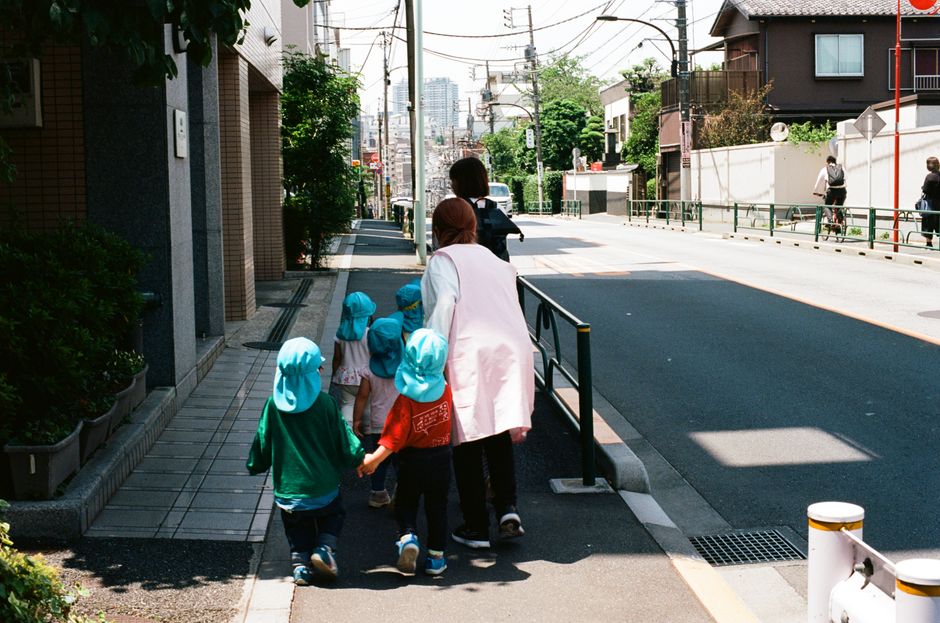
Japan's obsession with step counts—the average Tokyo commuter logs 8,000 steps daily—has sparked a quiet revolution in grassroots fitness. Walking groups, once the domain of retirees in Ueno Park, now attract young professionals, parents, and remote workers seeking low-impact exercise and genuine community connection. Starting one in your neighbourhood is simpler than you might think.
First, identify your walking circuit. Residents around Meiji Shrine have natural advantage with the 5km Imperial Palace loop, but every neighbourhood has potential. Walk your local streets at different times. Minato's waterfront routes near Odaiba, Nakano's shopping districts, or quiet residential loops in Suginami can work equally well. A good route should be traffic-safe, relatively flat for beginners, and take 30–60 minutes to complete. Use Google Maps or local ward office resources to confirm pedestrian paths.
Next, recruit members. Post notices at community centres (kominkan), which charge minimal fees for bulletin board use. The Chiyoda Ward Community Support Centre and similar organisations across Tokyo often host free neighbourhood noticeboards. Social media—a simple Line group or Nextdoor community post—reaches working-age participants quickly. One Shinjuku resident reports growing her group from three members to twelve in two months by posting on a local neighbourhood app.
Establish basic logistics. Decide on a regular day and time—Sunday mornings work well for mixed schedules. Set a reasonable pace: 3–4 kilometres per hour suits mixed-fitness groups. A typical walking group meets weekly or twice monthly; consistency matters more than frequency. Designate a simple leader or co-leaders, and communicate a rain-date policy upfront.
Make it sustainable. Tokyo's excellent weather infrastructure means most groups can maintain year-round schedules, though summer (May–September) requires early morning starts. Rotate meeting points if your route allows variety. Consider seasonal themes—autumn temple routes in Asakusa, spring cherry blossom paths in Chidoriguchi, winter waterfront walks around the Sumida.
Finally, foster belonging beyond exercise. Many groups stop for tea or breakfast near the finish. The modest cost—a local café visit might run ¥800–1,500—adds social glue without creating financial barriers. Some groups organise monthly neighbourhood clean-up walks, adding purpose to movement.
Walking groups require no membership fees, expensive equipment, or special registration. They simply need consistent leadership and a genuine commitment to your neighbourhood's wellbeing. Start small, keep it local, and let momentum build naturally.
This article was compiled by AI from the sources linked above and screened before publishing. See our editorial standards.
How does this story make you feel?
Spread the word
About this article
Published by The Daily Tokyo
Daily brief
Free, in your inbox before 7am. Weekdays.
More in Wellness