Group Exercise Classes at Council-Run Facilities: A Guide
Tokyo's ward-operated sports centres offer affordable, accessible fitness programmes—here's how to find the right class for you.
Tokyo's ward-operated sports centres offer affordable, accessible fitness programmes—here's how to find the right class for you.
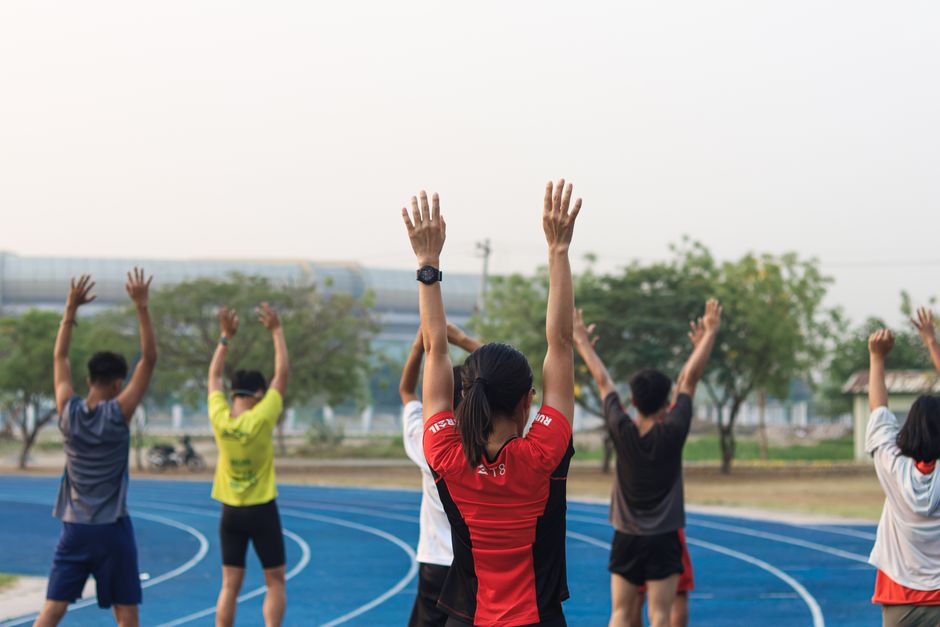
For decades, Tokyo's municipal sports facilities have quietly anchored neighbourhood wellness culture. Unlike private gyms clustered around Roppongi or Shibuya, council-run centres—operated by individual ward governments—deliver structured fitness at a fraction of the cost, with a distinctly local character that keeps residents returning season after season.
Shinjuku Ward's sports centres exemplify this model. The Shinjuku Sports Centre near Sendagaya Station hosts everything from aqua aerobics to badminton leagues, with single-class drop-in fees typically ranging from ¥500 to ¥1,500. Annual membership passes hover around ¥15,000–¥25,000, making consistent participation genuinely affordable. Minato Ward operates similar facilities in Azabu-Juban and near Mita Station, where yoga, tai chi, and strength conditioning classes run throughout the week.
The appeal extends beyond price. These centres deliberately embed themselves in neighbourhood rhythms. Morning yoga classes at Shibuya Ward's facilities, for instance, draw retirees alongside young professionals before work, fostering genuine intergenerational connection. Evening badminton leagues in Chiyoda often feature the same familiar faces—people building accountability and friendship within their own ward.
Class quality is consistently strong. Instructors are typically certified through Japan's fitness standards system, and most facilities maintain equipment to national safety specifications. Popular classes—spin conditioning, swimming aerobics, Zumba—fill quickly, so early enrolment matters.
Finding your local option is straightforward. Each of Tokyo's 23 wards maintains a public sports facility database on its official website, listing class schedules, fees, and registration procedures. Chiyoda Ward's site, for example, displays timetables in both Japanese and English. Most facilities now accept online booking through municipal portals, streamlining the registration process considerably.
The broader wellness context matters here. Tokyo's onsen tradition and public bathing culture mean many council-run sports centres include basic changing facilities—rarely luxurious, but functional and reliable. Post-class relaxation in a modest bath, however modest, reinforces the mind-body integration that defines Japanese fitness philosophy.
Whether you're reconsidering fitness after years away or deepening an existing practice, council facilities offer something increasingly rare: low-barrier entry, community rootedness, and genuine accessibility across income levels. In a city where convenience gyms proliferate, these neighbourhood anchors remain distinctly worthwhile.
For specific class details, contact your ward office directly or visit its dedicated sports facilities page. Most accept new members year-round, with no joining fees beyond the first session cost.
This article was compiled by AI and screened before publishing. See our editorial standards.
How does this story make you feel?
Spread the word
About this article
Published by The Daily Tokyo
Daily brief
Free, in your inbox before 7am. Weekdays.
More in Wellness