Tokyo Office Vacancy Rates Hit 6-Year High in 2026
Tokyo's CBD faces rising vacancies and falling rents as hybrid work and suburban competition reshape Shinjuku, Minato and Chiyoda districts in 2026.
Tokyo's CBD faces rising vacancies and falling rents as hybrid work and suburban competition reshape Shinjuku, Minato and Chiyoda districts in 2026.
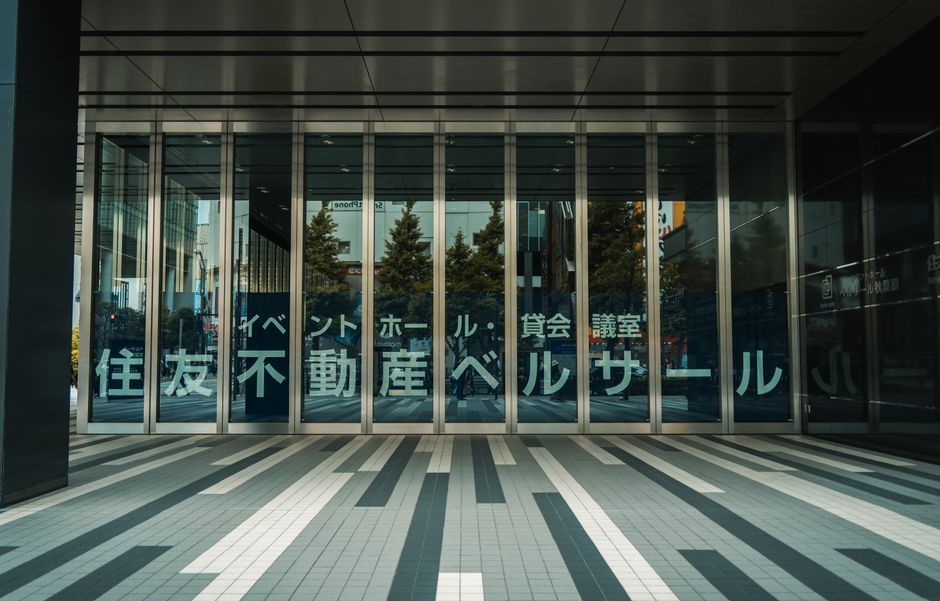
Tokyo's commercial real estate sector is navigating one of its most challenging periods in recent years, as multiple structural headwinds converge to reshape the office market across the Chiyoda, Minato and Shinjuku districts and beyond.
Vacancy rates in prime office locations have reached 6.8 percent in the first half of 2026, the highest level since 2019, according to data from major property consultancies monitoring the Marunouchi and Hibiya corridors. Competition for tenants remains fierce, with average asking rents in the CBD down roughly 8 percent year-on-year to ¥18,500 per tsubo—a significant pressure point for landlords who had anticipated steady rental growth.
The structural shift toward hybrid and remote work arrangements, accelerated during the pandemic years, continues to reshape demand patterns. Major corporations have downsized footprints across landmark addresses like the Kasumigaseki Building and office parks in Odaiba, consolidating operations and extending lease cycles rather than expanding. Tech firms and startups, traditionally driving growth in Shibuya and Shinjuku's emerging office precincts, have become more cautious about long-term commitments.
Meanwhile, suburban alternatives have gained traction. Developments in Kawasaki, Yokohama and Saitama are attracting tenants with lower rents, modern specifications and superior commute connectivity via the Shinkansen and expressway networks. This geographical shift threatens traditional revenue models concentrated in central wards.
Regulatory headwinds are compounding pressure. Stricter building standards and earthquake-resilience requirements have increased capex demands for aging stock. Several older properties across the Ginza and Nihonbashi corridors require significant retrofitting to remain competitive, creating a bifurcated market where only Grade A assets command premium positioning.
The flight to quality is evident: well-located, newly renovated towers maintain occupancy above 95 percent, while second-tier properties languish. This concentration risk is particularly acute for mid-sized landlords with portfolios clustered in transitional neighborhoods like Iidabashi or Kuramae, where foot traffic and tenant appeal have fractured.
Capital investment is also retracting. Foreign institutional investors—historically significant players in Tokyo's office market—are redirecting capital toward logistics and residential assets rather than pure office plays, tightening liquidity for asset sales and refinancing.
Market observers suggest stabilization remains conditional on demonstrated tenant demand and rental recovery. Until then, landlords and developers face a prolonged period of margin compression, refinancing challenges and strategic portfolio recalibration. The Tokyo office market is no longer the safe, steady-return narrative of previous cycles.
This article was compiled by AI from the sources linked above and screened before publishing. See our editorial standards.
How does this story make you feel?
Spread the word
About this article
Published by The Daily Tokyo
Daily brief
Free, in your inbox before 7am. Weekdays.
More in Business


