Global Tensions Drive Tokyo's Business Climate Shift as Investors Recalibrate Risk
Escalating geopolitical instability and currency volatility are forcing Tokyo's financial district and retail sectors to make urgent strategic adjustments.
Escalating geopolitical instability and currency volatility are forcing Tokyo's financial district and retail sectors to make urgent strategic adjustments.
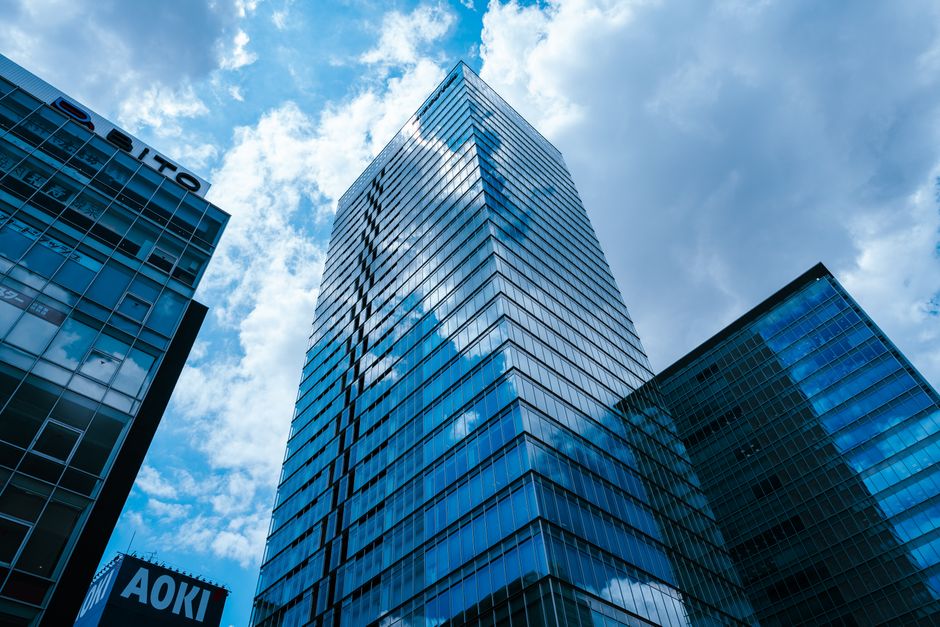
The past week's cascade of international crises—from Middle East peace talk complications to African disease outbreaks—has sent shockwaves through Tokyo's business landscape in ways that extend far beyond headline anxiety. In Marunouchi's gleaming office towers and along the boutique-lined streets of Omotesando, Tokyo's business community is confronting a harsh reality: global instability directly translates to local economic pressure.
Currency volatility has emerged as the most immediate concern. The yen, already sensitive to geopolitical shifts, has fluctuated sharply this week as investors reassess risk exposure across Asia. For Tokyo-based importers and exporters operating from the Nishi-Shinjuku corporate corridor, this volatility creates unpredictable costs. A manufacturer sourcing components from the Middle East faces mounting uncertainty; logistics firms calculating shipping routes around potential conflict zones must factor in premium insurance and longer transit times.
The downstream effect reaches Tokyo's consumer-facing businesses acutely. Retail establishments in Ginza and Shibuya depend heavily on international tourism and imported luxury goods. Supply chain disruptions—whether from Middle Eastern tensions or African health crises affecting global trade rhythms—compress already narrow margins. Restaurant owners in Roppongi report that sourcing wine and specialty imports now carries 15-20% higher contingency costs compared to six months ago.
Perhaps more significant is investor sentiment. Foreign institutional investors, traditionally major players in Tokyo's equities market, have become noticeably more cautious. Japanese companies with significant international operations face increased scrutiny regarding geopolitical exposure. A technology conglomerate headquartered near Tokyo Station must now justify its supply chain resilience to increasingly nervous shareholders, many of whom are reducing exposure to perceived high-risk regions.
The broader cost-of-living squeeze compounds these pressures. While Tokyo's real estate market remains stable, businesses report rising operational costs across utilities, labour, and logistics. Small and medium enterprises—the backbone of Tokyo's economy—operating from less prominent addresses in Ikebukuro or Akasaka struggle particularly hard to absorb these compounding pressures without raising prices that could erode their customer base.
Financial institutions headquartered in Tokyo's Otemachi district are recalibrating investment strategies and hedging approaches. The message is clear: Tokyo's prosperity cannot be insulated from global turbulence. Businesses that thrive will be those that acknowledge this interdependence and build resilience accordingly.
This article was compiled by AI from the sources linked above and screened before publishing. See our editorial standards.
How does this story make you feel?
Spread the word
About this article
Published by The Daily Tokyo
Daily brief
Free, in your inbox before 7am. Weekdays.
More in Business


