Tokyo's Office Market Faces Perfect Storm of Headwinds in 2026
Rising vacancy rates, remote work persistence, and foreign investment pullback are creating unprecedented challenges for commercial landlords across the capital.
Rising vacancy rates, remote work persistence, and foreign investment pullback are creating unprecedented challenges for commercial landlords across the capital.
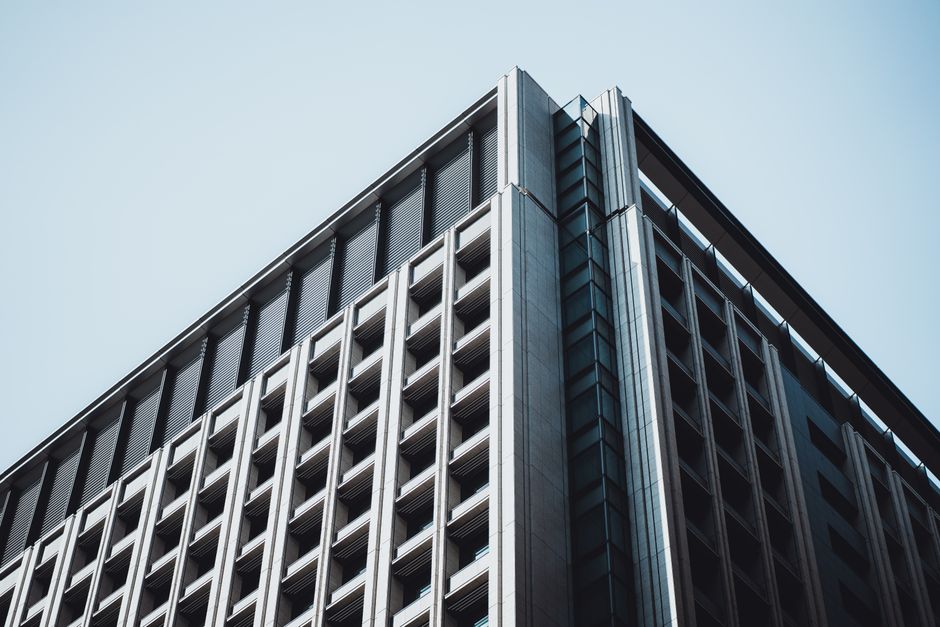
Tokyo's commercial property sector is confronting a confluence of structural headwinds that show little sign of easing as the year enters its final months. Office vacancy rates in central business districts—particularly around Marunouchi, Kasumigaseki, and Shinjuku—have climbed to levels not seen since the early 2000s, signalling a fundamental shift in how Japanese companies are deploying their real estate portfolios.
The numbers paint a sobering picture. Prime office space in the Chiyoda ward's prestigious Marunouchi corridor is averaging ¥12,500 per tsubo annually, down from ¥14,200 just eighteen months ago. Landlords managing aging stock in secondary locations are facing even steeper pressures, with some forced to offer aggressive rent reductions or extended concessions to secure tenants. Major developments like the Otemachi Financial City complex are reportedly carrying vacancy rates exceeding 8 percent—uncommon for Grade-A properties in normal market conditions.
The remote work phenomenon, initially dismissed as temporary during the pandemic years, has calcified into permanent corporate strategy. Financial services firms, tech companies, and consulting houses have substantially downsized their floor plate requirements, opting for hybrid models that reduce commuter-era office footprints by 30-40 percent. This structural demand destruction shows no sign of reversing.
Foreign institutional investors, historically aggressive acquirers of Tokyo trophy assets, have notably retreated. Currency volatility, higher capital costs in overseas markets, and geopolitical uncertainty have prompted portfolio rebalancing. Several major REITs have announced asset sales rather than acquisitions, a reversal from the optimistic acquisitiveness of recent years.
Rising borrowing costs compound the challenge. With the Bank of Japan gradually normalising monetary policy, floating-rate debt service has become considerably more onerous for leveraged landlords. Development finance that seemed cheap and abundant two years ago now carries materially higher rates, making ground-up redevelopment projects far less accretive.
Adaptive reuse initiatives—converting aging office buildings into residential units, hotels, or co-working hybrid spaces—are gaining traction as survival strategies. Several owners in the Nihonbashi and Ginza precincts have announced conversion projects, acknowledging that traditional office demand will not recover to pre-2020 levels.
The sector's challenge is not a cyclical downturn but a permanent recalibration of space requirements. Tokyo's commercial property owners must navigate this new reality without the luxury of waiting for demand to snap back. The margin for error, already compressed, continues to narrow.
This article was compiled by AI from the sources linked above and screened before publishing. See our editorial standards.
How does this story make you feel?
Spread the word
About this article
Published by The Daily Tokyo
Daily brief
Free, in your inbox before 7am. Weekdays.
More in Business


