Tokyo Office Vacancy Rates Hit 20-Year High in Marunouchi
Tokyo's central business districts face record vacancies as companies shift to flexible suburban hubs. How the office exodus is reshaping the city's talent competition.
Tokyo's central business districts face record vacancies as companies shift to flexible suburban hubs. How the office exodus is reshaping the city's talent competition.
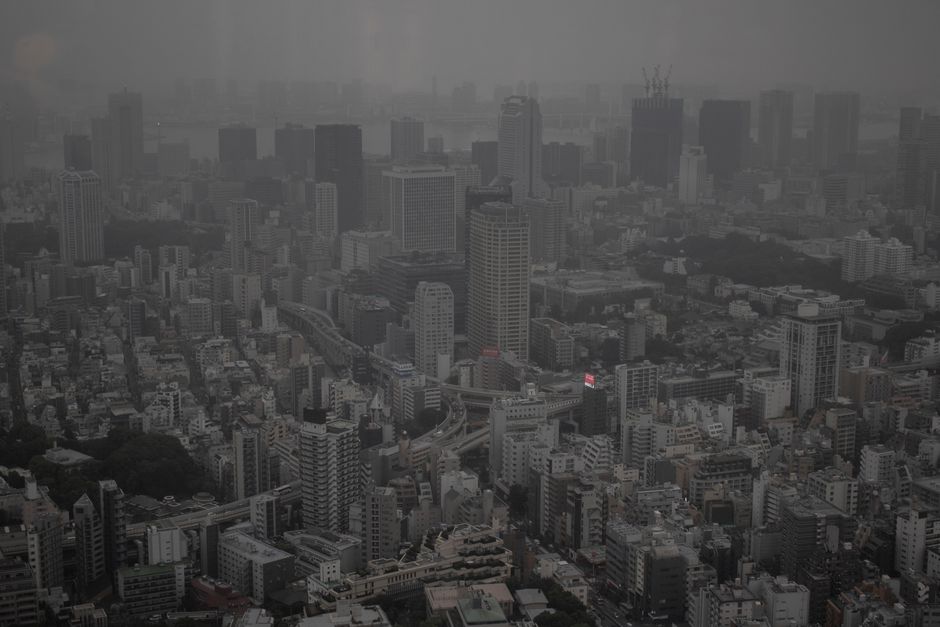
The numbers tell a striking story. Vacancy rates in Tokyo's central business districts—particularly around Marunouchi and Kasumigaseki—have climbed to levels unseen since the early 2000s, with some Class A office buildings posting 15-20% unoccupied space. Meanwhile, demand for flex-work facilities in Shibuya, Shinjuku's outskirts, and even emerging tech hubs like Nihonbashi has surged, forcing companies to rethink where and how they employ Japan's most sought-after talent.
This structural shift is reshaping Tokyo's labour market in profound ways. For decades, the prestige address mattered enormously: a job in a gleaming Marunouchi tower signalled stability and status. Today, that calculus has inverted. Young engineers and creative professionals increasingly favour companies offering work flexibility over office location cachet, forcing recruiters to compete on terms other than real estate credentials.
The migration is already visible on the ground. Lease rates in prime Marunouchi locations have fallen roughly 8-12% year-on-year, while flexible workspace operators report capacity strains in areas like Azabu-Juban and around Roppongi Hills. Companies like SoftBank and Rakuten have pioneered satellite offices in suburban nodes, effectively decentralizing hiring and talent acquisition beyond Tokyo's traditional financial core.
But this democratization comes with genuine risks. Fragmentation of the office market means fragmentation of the professional ecosystem. The spontaneous networking, mentorship, and knowledge-sharing that flourished in crowded Marunouchi lobbies and Shibuya meeting spaces doesn't translate to dispersed, home-based arrangements. Early-career professionals report difficulty navigating career development outside traditional corporate campuses. Meanwhile, smaller firms struggle to compete for talent when they can no longer rely on prestigious addresses to attract candidates.
Real estate consultants tracking the shift suggest Tokyo could see further contraction in traditional office demand, with landlords increasingly converting aging Class B properties into residential or mixed-use developments. Yet the city's talent pool remains world-class—a fact that won't change regardless of where desks are placed.
The crucial question facing Tokyo's business leadership is whether the cost savings from downsizing downtown footprints will outweigh the friction costs of a more dispersed, less cohesive professional community. For now, the market is still adjusting. But companies that master talent attraction in this fragmented landscape may well emerge as Tokyo's next generation of leaders.
This article was compiled by AI and screened before publishing. See our editorial standards.
How does this story make you feel?
Spread the word
About this article
Published by The Daily Tokyo
Daily brief
Free, in your inbox before 7am. Weekdays.
More in Business