Tokyo Job Market 2024: Longer Searches, Wage Pressure
Tokyo's job market shifts as automation reshapes hiring. Learn why job searches now take 47 days, impacts on wages, and what this means for your commute and rent.
Tokyo's job market shifts as automation reshapes hiring. Learn why job searches now take 47 days, impacts on wages, and what this means for your commute and rent.
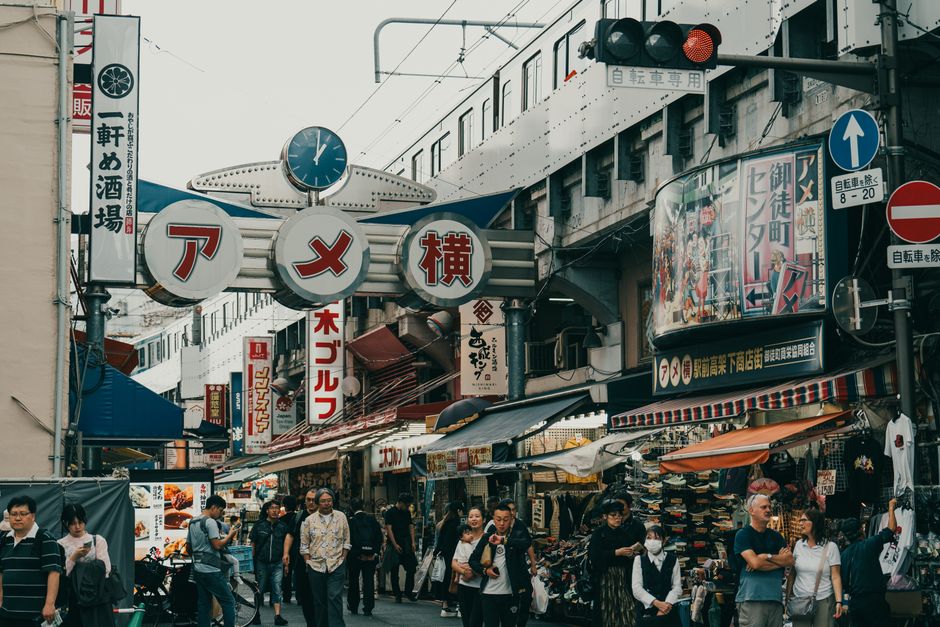
Walk through Shibuya Crossing on any weekday morning, and you'll see the same crowded commute as always. But beneath the surface, Tokyo's labour market is undergoing a quiet transformation that will touch nearly every working resident in this city of 14 million.
The numbers tell a striking story. Japan's unemployment rate has climbed to 2.8% this quarter, marking the highest level in five years. More significantly, the average job-search duration for Tokyo residents has stretched to 47 days—up from 34 days just three years ago. For those in their 40s and 50s, the wait extends to 63 days. This matters because it directly impacts household finances, rent payments, and the ability to save.
The culprit isn't a shortage of jobs. Tokyo still posts over 500,000 job openings monthly across sectors. Rather, the mismatch is brutal: vacancies are clustering in lower-wage service roles and care work, while mid-career positions in finance and administration are shrinking. A convenience store clerk in Ginza might earn ¥1,150 per hour, while a logistics company in Koto ward pays ¥1,200. These figures haven't budged in 18 months, even as rent in central wards like Minato and Shibuya has climbed 4-6% annually.
The hospitality sector—which employs roughly 8% of Tokyo's workforce—faces particular pressure. International tourism has rebounded to pre-pandemic levels, yet wages for restaurant and hotel staff remain flat. A server at an izakaya in Shinjuku earns roughly what their counterpart did in 2019, adjusted for inflation.
For everyday residents, this creates three immediate pressures. First, job security feels shakier. Companies are shifting hiring toward contract and part-time arrangements, now accounting for 42% of Tokyo's total workforce. Second, wage growth has stalled—real wages actually declined 2.1% last year after accounting for inflation. Third, the pressure to upskill is mounting. Tech certifications and English proficiency increasingly determine whether you land a ¥4 million or ¥3 million annual salary.
What should Tokyo residents do? Those seeking stability should prioritise roles in healthcare, renewable energy, and digital services—sectors expanding even as retail and manufacturing contract. Conversely, relying on a single employer or skill set is riskier than ever.
The takeaway: Tokyo's labour market remains resilient, but the days of stable, predictable career paths are fading. Understanding these shifts—and adapting accordingly—has become essential for protecting household income and planning your future in Japan's capital.
This article was compiled by AI and screened before publishing. See our editorial standards.
How does this story make you feel?
Spread the word
About this article
Published by The Daily Tokyo
Daily brief
Free, in your inbox before 7am. Weekdays.
More in Business