Tokyo Rental Prices 2024: Housing Crisis Fuels Investment Boom
Tokyo rental prices surge past ¥200,000 monthly as affordability crisis deepens. Discover which neighborhoods offer cheaper apartments and how investors are capitalizing on the shortage.
Tokyo rental prices surge past ¥200,000 monthly as affordability crisis deepens. Discover which neighborhoods offer cheaper apartments and how investors are capitalizing on the shortage.
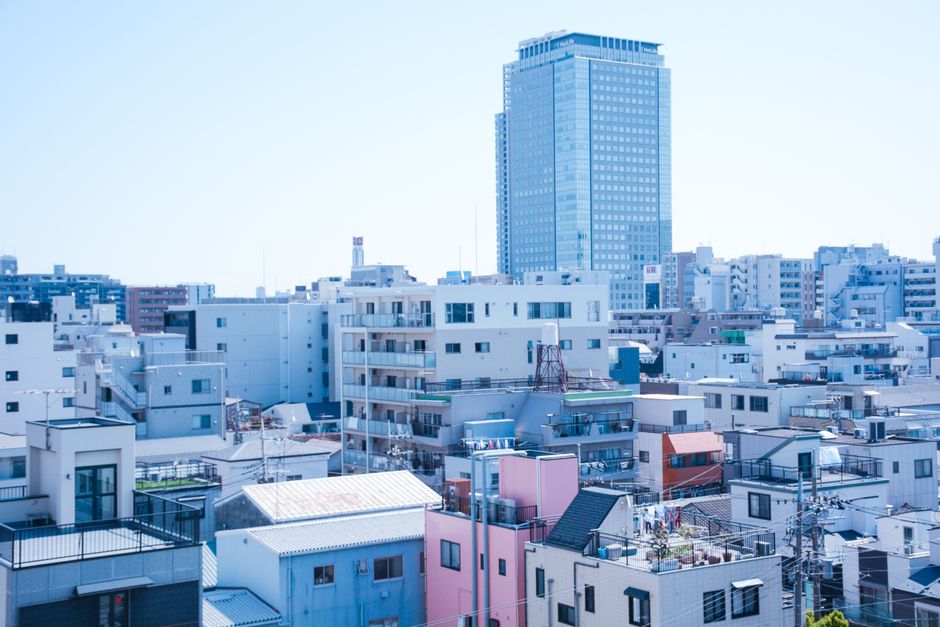
The figures tell a stark story: a one-bedroom apartment in Minato ward now commands an average monthly rent of ¥248,000, up 18 percent since 2023, while similarly-sized units in traditionally affordable neighbourhoods like Itabashi have climbed to ¥165,000. For Tokyo's young professionals and growing number of remote workers relocating from abroad, the mathematics no longer work. For investors, however, the opportunity has never been clearer.
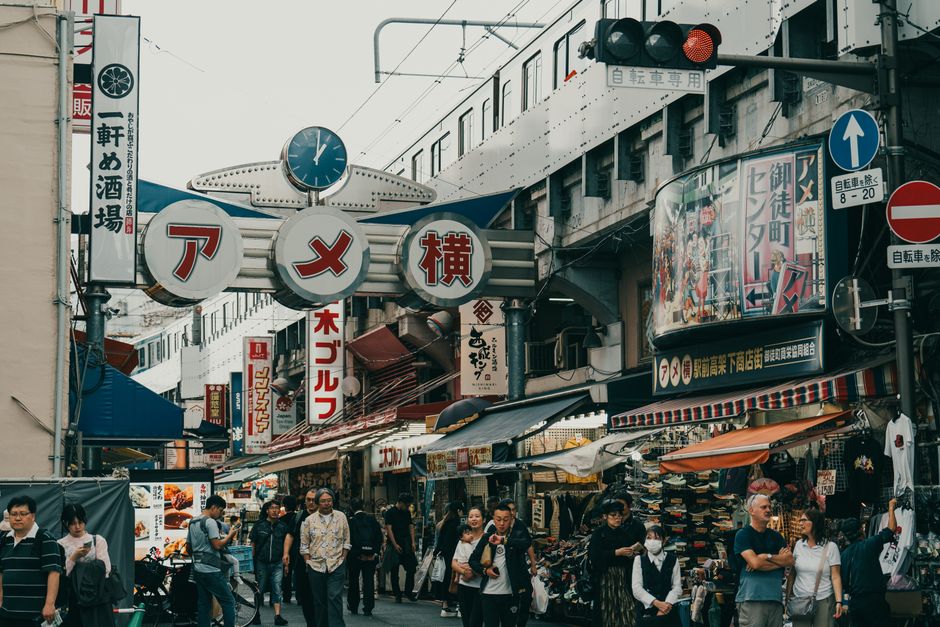
Real estate technology firms operating out of converted warehouses in Akihabara and Shibuya are raising record capital from both domestic and international sources. These companies—focusing on fractional ownership platforms, co-living conversion projects, and AI-driven pricing models—have attracted over ¥47 billion in venture funding during the first half of 2026, double the equivalent period two years prior. Early movers have already begun acquiring aging apartment buildings in transitional zones like Kuramae and Asakusa, retrofitting them as premium co-living spaces that command 12-15 percent returns.
The beneficiaries extend beyond tech entrepreneurs. Established real estate development companies like those headquartered near Tokyo Station have pivoted aggressively toward micro-unit conversion projects. Meanwhile, institutional investors—particularly from Singapore and Hong Kong—have begun systematically acquiring residential portfolios across wards from Shinagawa to Nakano, betting on sustained demand from international talent.
Japan's Ministry of Land, Infrastructure, Transport and Tourism reported that Tokyo's housing vacancy rate, while seemingly contradictory to rising prices, reflects a supply-demand mismatch: empty properties cluster in less desirable outer wards, while prime inner-city locations face acute shortages. This structural inefficiency has created an arbitrage opportunity for sophisticated players willing to rehabilitate and reposition stock.
Not everyone is thriving. Long-term residents face genuine displacement pressures, particularly in regenerating neighbourhoods. Community groups operating from civic centres across wards like Toshima and Taito have begun organizing resistance to speculative conversion projects. Yet regulatory momentum favours development; Tokyo's municipal government continues relaxing zoning restrictions to encourage residential supply.
The window for ground-floor entry may be closing. As capital floods into Tokyo's residential sector, yields are compressing and competition intensifying. But for those positioned now—whether established developers, nimble fintech platforms, or institutional capital—the city's housing crisis represents perhaps the most compelling investment thesis in Japanese real estate since the 1980s.
This article was compiled by AI and screened before publishing. See our editorial standards.
How does this story make you feel?
Spread the word
About this article
Published by The Daily Tokyo
Daily brief
Free, in your inbox before 7am. Weekdays.
More in Business