Small Business Trends Tokyo 2026: What's Working Now
Consumer spending patterns are shifting toward experiential and niche services in Tokyo. See how small business owners in Shibuya and Harajuku are adapting to 2026 market changes.
Consumer spending patterns are shifting toward experiential and niche services in Tokyo. See how small business owners in Shibuya and Harajuku are adapting to 2026 market changes.
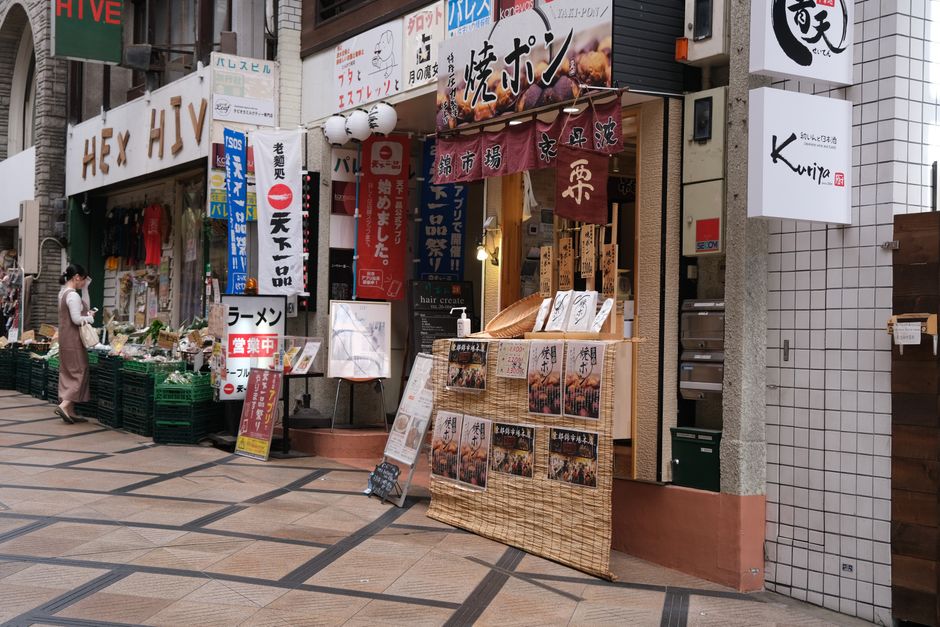
Walk through Shibuya's narrow side streets or the quieter corners of Harajuku, and you'll notice something: the retail landscape is transforming faster than ever. Small business owners across Tokyo are facing a pivotal moment as 2026's market dynamics reshape which ventures thrive and which struggle.
Recent data from the Tokyo Chamber of Commerce reveals a critical trend: consumer spending has shifted decisively toward experiential businesses and niche services. Traditional retail—once the backbone of districts like Ginza—is declining at roughly 3.2% annually, while specialty food shops, wellness services, and digital-first concepts are growing at nearly twice that rate. For entrepreneurs, this means one thing: generic won't cut it anymore.
The numbers tell a sobering story for conventional approaches. Rent in Chiyoda's office districts has climbed 8% year-on-year, squeezing startups that lack capital reserves. Meanwhile, foot traffic in secondary shopping areas like those surrounding Ikebukuro Station has become increasingly unpredictable, with weekday traffic down 12% compared to 2024. This volatility demands agility—something large chains struggle with but small operators can exploit.
What's working? Data-driven personalization. Entrepreneurs leveraging customer analytics to tailor offerings are seeing 40% higher retention rates than those relying on guesswork. In Roppongi and Minato wards, micro-businesses that understand their audience's preferences—whether that's limited-edition products, subscription models, or hybrid online-offline experiences—are outpacing competitors by significant margins.
Supply chain resilience has also become non-negotiable. Global uncertainties mean businesses relying on single suppliers face real risk. Smart operators are building redundancy into their sourcing, even if it means slightly higher costs. The math works: one disruption can tank a quarter's revenue.
Labor costs deserve serious attention too. Tokyo's minimum wage stands at ¥1,113 per hour in most wards, pushing small business margins tighter. Automation and outsourcing of non-core tasks—through platforms and part-time gig workers—are becoming survival strategies rather than luxuries.
For entrepreneurs considering launches in Shinjuku, Shibuya, or emerging neighborhoods like Nakano, the message is clear: specialization beats breadth, data beats intuition, and adaptability beats rigid planning. The businesses thriving today aren't fighting market trends—they're dancing with them.
This article was compiled by AI and screened before publishing. See our editorial standards.
How does this story make you feel?
Spread the word
About this article
Published by The Daily Tokyo
Daily brief
Free, in your inbox before 7am. Weekdays.
More in Business