Tokyo Export Supply Chain Disruptions 2024: What to Know
Tokyo exporters face 18% higher shipping costs and currency headwinds in 2024. Learn how Southeast Asia growth and supply chain shifts are reshaping local business strategy.
Tokyo exporters face 18% higher shipping costs and currency headwinds in 2024. Learn how Southeast Asia growth and supply chain shifts are reshaping local business strategy.
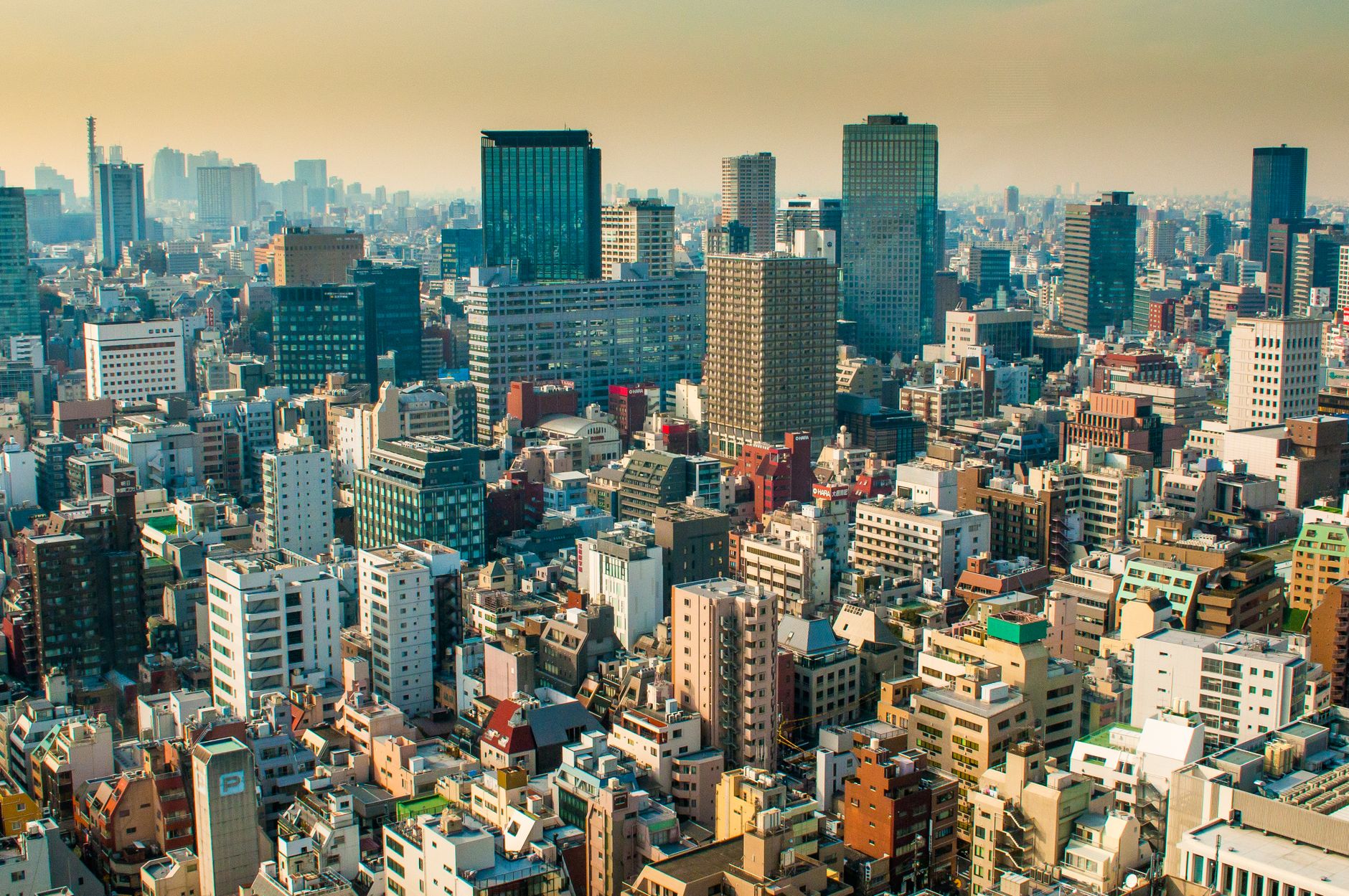
Tokyo's business district is abuzz with uncertainty. At venues like the Japan External Trade Organization headquarters in Minato Ward, trade specialists are fielding urgent calls from manufacturers and exporters grappling with a fundamentally altered global marketplace.
The shifts are measurable and immediate. Japanese exports to Southeast Asia have grown 12% year-on-year, driven partly by companies seeking alternatives to China-dependent supply chains. Yet this apparent strength masks deeper complications. Shipping costs from Tokyo's port terminals remain 18% higher than pre-2024 levels, while currency fluctuations have trimmed margins for mid-sized exporters by an estimated 3-5%, according to recent surveys conducted by the Tokyo Chamber of Commerce and Industry.
The real challenge lies in geographic rebalancing. Companies clustering around the Nihonbashi and Otemachi financial districts are reassessing trade dependencies. Venezuela's recent earthquake and subsequent instability have disrupted rare earth mineral sourcing that several Japanese tech manufacturers relied upon indirectly through South American intermediaries. Meanwhile, escalating tensions in the Middle East are complicating energy pricing and logistics routing—critical concerns for Tokyo-based trading houses that historically moved goods through the Suez corridor.
Currency markets have become treacherous. The yen's recent volatility against the dollar and euro means Tokyo exporters cannot rely on historical pricing models. Electronics manufacturers in the Akihabara periphery and automotive suppliers throughout the capital region are increasingly locking in forward contracts, a defensive move that raises operational costs but provides predictability.
There's a silver lining for certain sectors. Japanese companies positioned in healthcare, renewable energy, and advanced manufacturing are seeing increased demand from emerging markets seeking to diversify supply sources away from geopolitical hotspots. Companies at business hubs like the Roppongi Hills complex report stronger inquiries from African and Southeast Asian partners.
For Tokyo's business community, the message is clear: rigid reliance on established trade routes is no longer viable. Companies need dynamic supply chain architecture, currency hedging strategies, and geographic diversification. The cost of inaction—lost market share, margin erosion, operational disruption—is simply too high.
The next 18 months will likely determine which Tokyo-based enterprises thrive in this multipolar trading environment and which struggle to adapt.
This article was compiled by AI and screened before publishing. See our editorial standards.
How does this story make you feel?
Spread the word
About this article
Published by The Daily Tokyo
Daily brief
Free, in your inbox before 7am. Weekdays.
More in Business