Tokyo Tourism Decline 2025: Geopolitical Impact
Geopolitical tensions and natural disasters are reshaping Tokyo's visitor economy. Learn how global instability is affecting international travel patterns to Japan's capital.
Geopolitical tensions and natural disasters are reshaping Tokyo's visitor economy. Learn how global instability is affecting international travel patterns to Japan's capital.
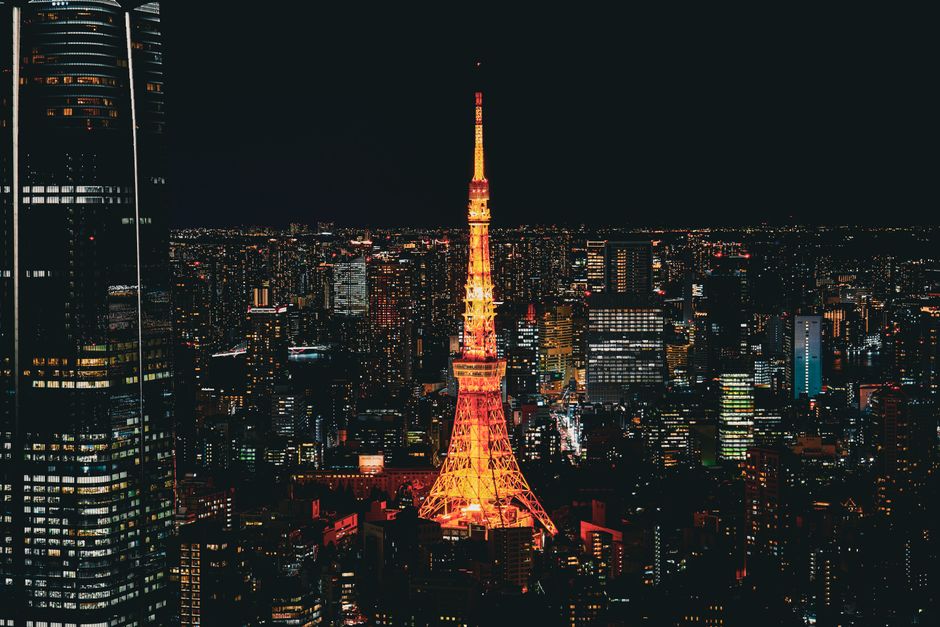
The energy along Omotesando felt different this week. Where luxury boutiques typically hustle with tour groups from across Asia, foot traffic has noticeably thinned. The shift reflects a broader reality reshaping Tokyo's visitor economy: global instability is forcing a painful recalibration of one of Japan's most critical revenue engines.
Tourism contributed roughly 2.5 trillion yen to Japan's economy in 2025, with Tokyo capturing an outsized share. The city welcomed over 17 million international visitors last year. But mounting uncertainties—from Venezuela's earthquake crisis disrupting Latin American travel patterns to rising Middle East tensions affecting visitor flows from that region—are creating measurable headwinds. Meanwhile, China's intensified military posturing around Japanese waters has begun subtly dampening Chinese visitor enthusiasm, traditionally Tokyo's largest source market.
At Narita and Haneda airports, booking data tells the story. Hotels in Shinjuku report June occupancy rates down 8-12 percent compared to last year, according to industry surveys. Mid-range properties along Kasumigaseki—favored by business travelers and families—are competing more aggressively on pricing. A standard double room that commanded 18,000 yen nightly is now offered at 14,500 yen.
The knock-on effects ripple through the entire ecosystem. Restaurants in Ginza, Roppongi, and Harajuku—neighborhoods engineered around tourist spending—are adjusting menus and marketing strategies. Izakaya operators report that the typical 20-30 percent revenue contribution from international visitors has contracted to 12-15 percent. Retail sectors dependent on duty-free purchases face similar pressures.
Yet opportunity lurks in the uncertainty. Some operators are pivoting toward domestic tourism and longer-stay visitors less affected by headline-driven anxiety. Boutique hotels in quieter neighborhoods like Kuramae and Yanaka are seeing renewed interest. Virtual reality experiences and tech-forward attractions in Akihabara have attracted more local and regional Japanese visitors seeking staycation alternatives.
The Japan National Tourism Organization remains cautiously optimistic, projecting recovery by Q4 2026 once global conditions stabilize. But business leaders in Tokyo's hospitality and retail sectors know the old model—betting on continuous growth from volatile international markets—requires fundamental rethinking.
This moment demands sophistication: diversifying revenue streams, investing in resilience, and recognizing that Tokyo's visitor economy is now inextricably bound to global stability in ways the boom years obscured. For a city built on seamless international hospitality, that's both challenge and clarifying wake-up call.
This article was compiled by AI and screened before publishing. See our editorial standards.
How does this story make you feel?
Spread the word
About this article
Published by The Daily Tokyo
Daily brief
Free, in your inbox before 7am. Weekdays.
More in Business