Tokyo Restaurant Prices 2025: Why Costs Are Rising
Labour shortages push Tokyo restaurant prices up 12% in 2025. See how Shibuya, Shinjuku, and local ramen shops are adapting to rising costs.
Labour shortages push Tokyo restaurant prices up 12% in 2025. See how Shibuya, Shinjuku, and local ramen shops are adapting to rising costs.
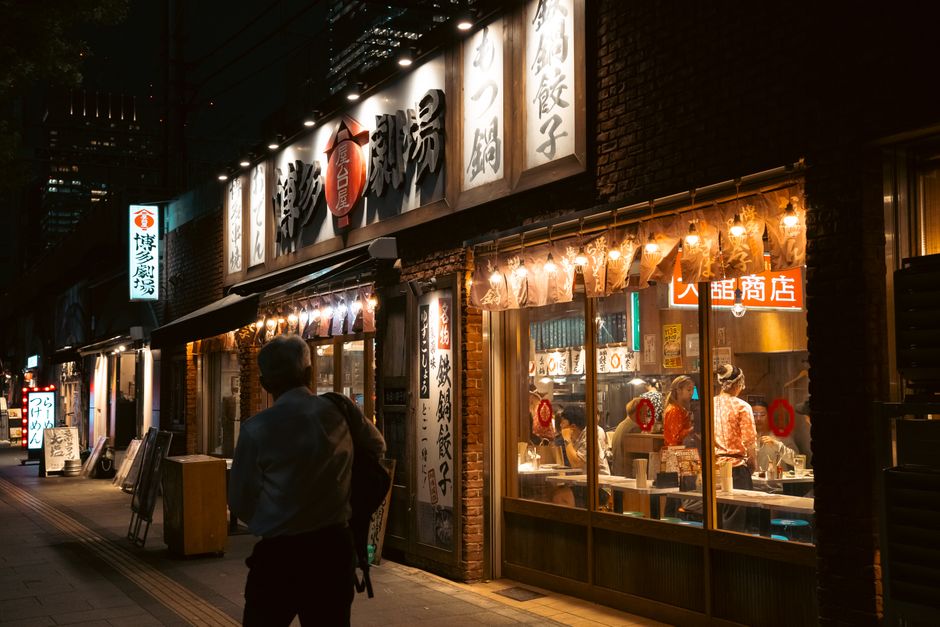
Walk through Shibuya or Shinjuku these days and you'll notice something unmistakable: Tokyo's hospitality sector is in flux. Restaurant closures in prime areas like Roppongi are making headlines, but the real story affecting daily life is subtler—and it's about your wallet.
Labour costs have surged roughly 12 percent across Tokyo's hospitality sector since early 2025, according to data from the Japan Restaurant Association. This isn't abstract economics. It means the tonkatsu set you bought for ¥1,200 near Ginza Station two years ago now costs ¥1,550. Small ramen shops along the backstreets of Ebisu and Meguro are experimenting with reduced hours, opening at 11 a.m. instead of 10 a.m., or closing Tuesdays instead of staying open seven days.
Convenience store operators—7-Eleven, FamilyMart, and Lawson—are quietly cutting late-night staff in outer wards like Adachi and Edogawa, with some locations reducing 24-hour service. For residents relying on night shifts or unusual schedules, this is a tangible change.
The retail picture is equally complicated. Department stores like those along Omotesando continue to thrive, catering to international tourists and affluent locals. But in neighbourhood shopping streets—the shotengai of Harajuku, Shimokitazawa, and Nakano—smaller independent retailers report foot traffic down 8-15 percent compared to 2024. Many are shifting toward online ordering and curbside pickup to manage costs.
What should everyday residents understand? First, expect modest price increases across food and dining. Restaurants aren't being greedy; they're responding to genuine operational pressures. Second, your local shopping patterns may need adjustment. Independent shops you've relied on might change hours or reduce inventory. Third, convenience and speed increasingly come at a premium—delivery services remain robust, but traditional walk-in browsing is becoming less convenient in some areas.
The silver lining: competition is fierce. Chains are experimenting with value menus, and family restaurants in central wards continue aggressive promotions. Quality ramen, sushi, and casual dining remain accessible if you know where to look—though perhaps not always when or where you're accustomed.
The hospitality sector isn't collapsing. It's restructuring. Understanding these shifts helps you navigate the changing Tokyo landscape without frustration.
This article was compiled by AI and screened before publishing. See our editorial standards.
How does this story make you feel?
Spread the word
About this article
Published by The Daily Tokyo
Daily brief
Free, in your inbox before 7am. Weekdays.
More in Business