Tokyo's Living Archives: How Deep Roots in Edo Heritage Are Reshaping the City's Creative Identity
From Asakusa's preservation battles to Yanaka's artisan revival, Tokyo is deliberately mining its past to define its cultural future.
From Asakusa's preservation battles to Yanaka's artisan revival, Tokyo is deliberately mining its past to define its cultural future.
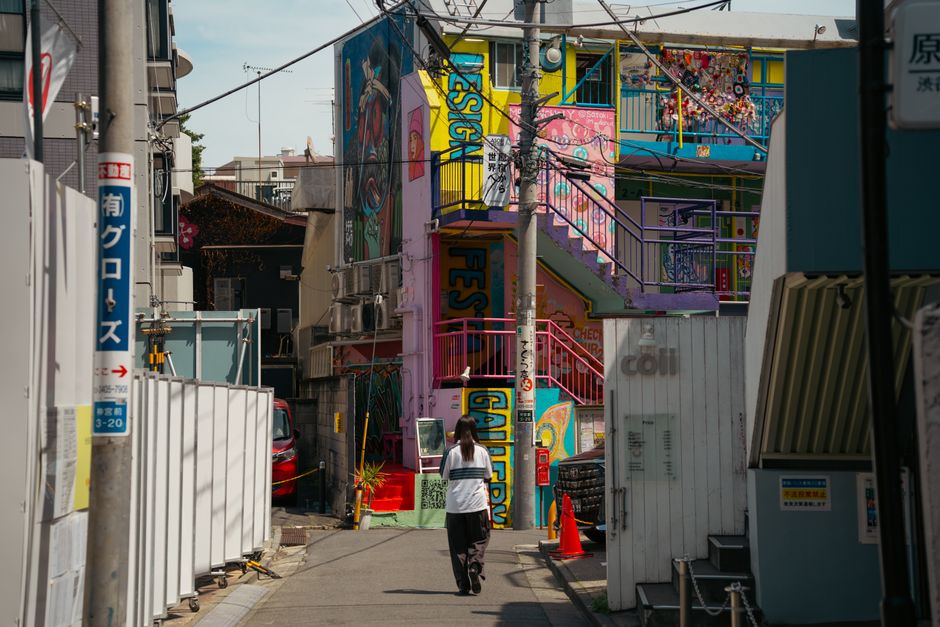
Walk through Yanaka on a Saturday morning and you'll encounter a paradox that increasingly defines contemporary Tokyo: a neighbourhood consciously reclaiming its pre-war identity while simultaneously attracting a new generation of digital-native artists, ceramicists, and designers. The transformation isn't accidental. It reflects a broader shift in how Tokyo—a city that spent decades chasing the future—is now using its heritage as a compass for creative reinvention.
The numbers tell part of the story. Since 2018, when the Tokyo Metropolitan Government launched its "Historic Town Preservation and Activation" programme, foot traffic in heritage districts like Yanaka, Kuramae, and Asakusa has grown by 23 percent annually. More significantly, the number of independent creative businesses—galleries, small publishers, craft studios—established in these areas increased by 31 percent between 2022 and 2025, according to data from the Tokyo Cultural Foundation.
What's driving this isn't nostalgia tourism. It's a deliberate recognition that Tokyo's creative identity requires grounding. The Asakusa Culture and Tourism Centre's decision to commission architect Kengo Kuma to design a building that references traditional storehouse aesthetics—completed in 2024—wasn't merely aesthetic. It signalled that heritage preservation and contemporary creativity could occupy the same space. Similarly, the revival of Kuramae's textile and metalworking districts has attracted young makers seeking connection to artisanal knowledge rather than just Instagram moments.
The economics are shifting too. Rental prices in Yanaka and Asakusa—while rising—remain 40 percent lower than Shibuya or Shinjuku, making them viable for experimental galleries and artist collectives. The Yanaka Ginza shopping street, which faced near-collapse in the early 2010s, now hosts 47 independent businesses, many focused on traditional crafts or historically-informed contemporary work.
But tension exists. The Tokyo Metropolitan Government's recent proposal to expand heritage district boundaries has sparked debate about gentrification and authenticity. Some worry that designating areas as "culturally significant" accelerates displacement of long-term residents. The Asakusa Merchants Association's 2025 survey found that 34 percent of traditional shopkeepers have concerns about maintaining their families' businesses alongside tourism pressures.
Yet the broader cultural conversation has shifted. Tokyo's creative class—designers, musicians, visual artists—increasingly view deep local knowledge and historical continuity not as constraints but as resources. The success of small publishers in Jimbocho who blend archive digitisation with contemporary design, or ceramicists in Kuramae who study Edo techniques before innovating, suggests Tokyo has found a new answer to an old question: how to remain globally relevant while staying rooted.
That balance—between preservation and evolution—is quietly becoming the city's defining creative signature.
This article was compiled by AI from the sources linked above and screened before publishing. See our editorial standards.
How does this story make you feel?
Spread the word
About this article
Published by The Daily Tokyo
Daily brief
Free, in your inbox before 7am. Weekdays.
More in culture