Tokyo's Gallery Circuit: What First-Time Visitors Need to Know and Where to Go
From world-class museums in Ueno to cutting-edge contemporary spaces in Roppongi, here's your essential guide to navigating Tokyo's thriving visual arts ecosystem.
From world-class museums in Ueno to cutting-edge contemporary spaces in Roppongi, here's your essential guide to navigating Tokyo's thriving visual arts ecosystem.
Tokyo's art scene operates on a scale that can overwhelm the uninitiated. With over 300 galleries scattered across the city and major institutions drawing millions annually, knowing where to start makes the difference between a frustrating pilgrimage and a genuinely enriching experience.
The most straightforward entry point remains Ueno, where the Tokyo National Museum, Museum of Western Art, and National Science Museum cluster together in a 50-hectare park. The National Museum alone houses over 110,000 artworks spanning Japanese and Asian art across 37 galleries. Admission runs ¥1,000 (roughly $7 USD). On Fridays and Saturdays, extended hours until 9 PM attract younger crowds and create a different energy than daytime visits. Plan at least four hours here; rushing diminishes the experience considerably.
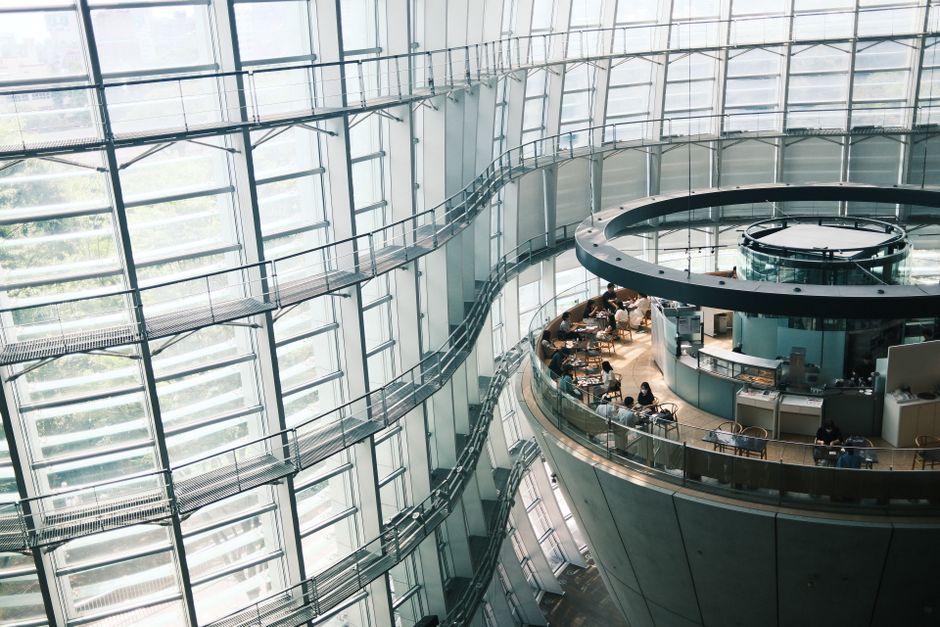
For contemporary work, the Roppongi axis—anchored by the Mori Art Museum in Roppongi Hills and the Museum of Modern Art nearby—represents Tokyo's most internationally oriented zone. The Mori Art Museum charges ¥2,000 but regularly hosts significant exhibitions that command global attention. Its floor-to-ceiling windows overlooking the city add an architectural dimension often overlooked in reviews.
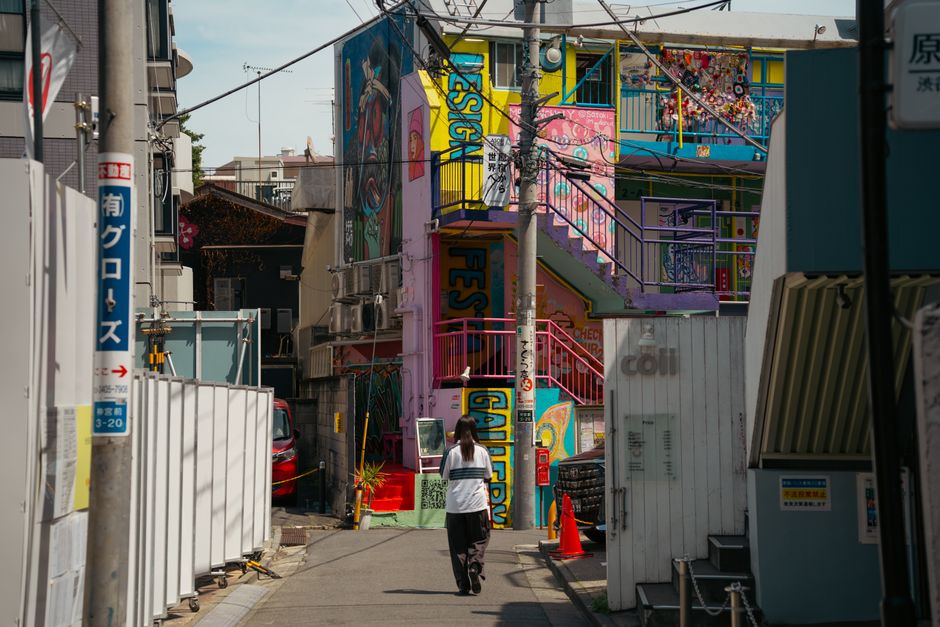
Shibuya's emerging gallery district, concentrated around Dogenzaka and Center-gai, skews younger and more experimental. Galleries here operate on tighter margins, so opening hours can be irregular—always check ahead. These independent spaces function less as repositories and more as testing grounds, making them essential for understanding where Tokyo's visual culture is headed.
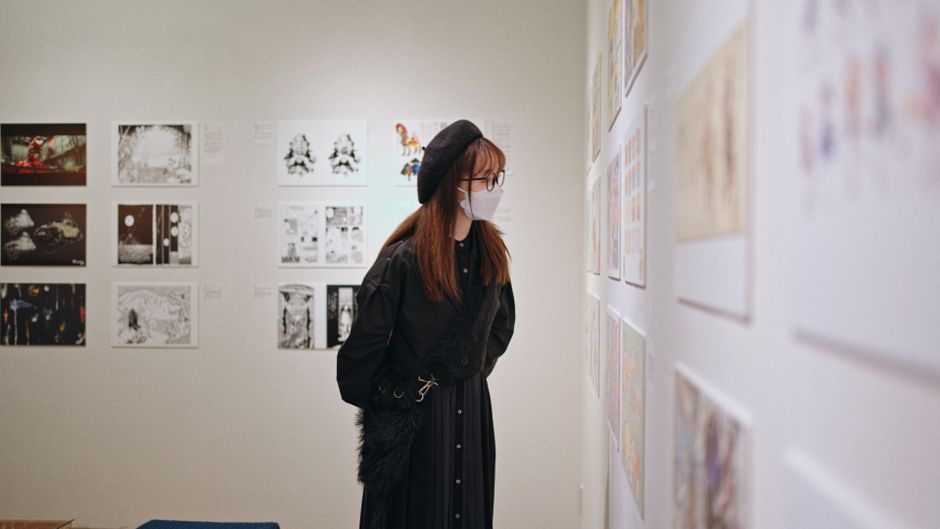
A critical practical note: many mid-size galleries close Mondays and Tuesdays. The city's museum websites (most have English interfaces) publish detailed schedules and exhibition calendars months ahead, allowing strategic planning. Photography policies vary wildly—some prohibit it entirely, others embrace it. Always ask upon entry.
Ginza remains the traditional heart of Tokyo's gallery establishment, with over 100 galleries operating in this six-block radius. Walking Chuo-dori on a Saturday afternoon offers window-shopping opportunities across price points and aesthetic directions. Most galleries are free to enter.
Frequency matters more than comprehensiveness. Rather than attempting to see everything, consider returning to specific neighborhoods across multiple visits. A focused Saturday morning in Roppongi, followed by an afternoon exploring a single Ginza building with multiple gallery floors, yields deeper understanding than surface-level coverage of the entire city.
Tokyo's art infrastructure assumes cultural literacy alongside tourist enthusiasm. The scene rewards patience, preparation, and repeat visits—the hallmarks of how locals actually engage with the city's visual offerings.
This article was compiled by AI from the sources linked above and screened before publishing. See our editorial standards.
How does this story make you feel?
Spread the word
About this article
Published by The Daily Tokyo
Daily brief
Free, in your inbox before 7am. Weekdays.
More in culture