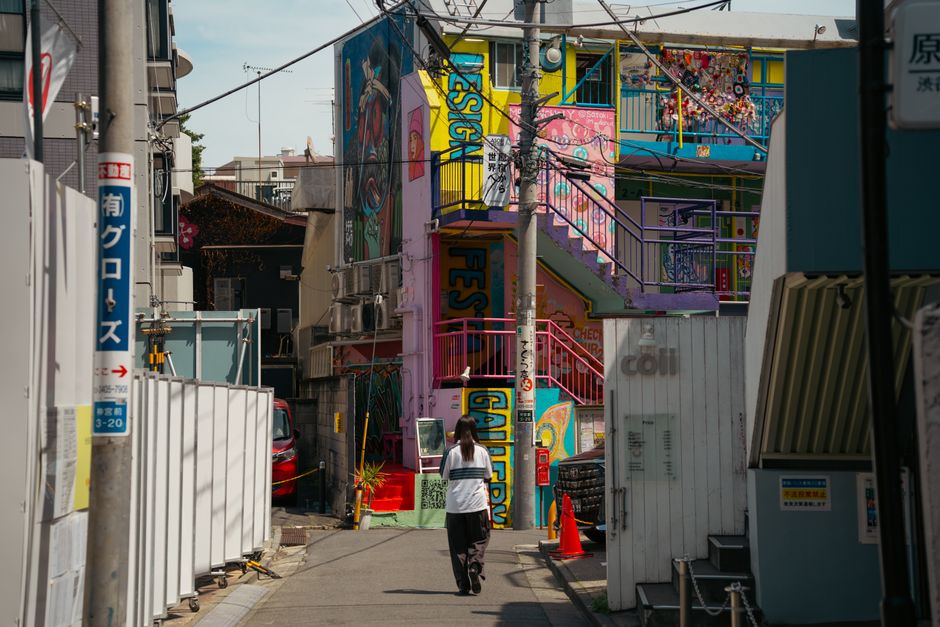
Walk through Shibuya Centre-gai on any evening and you'll encounter the contradictions that define Tokyo's performing arts landscape: century-old kabuki theatres coexist with underground black-box studios, mainstream cinema multiplexes sit blocks away from single-screen art house cinemas showing restored prints of Ozu masterpieces. This layering of old and new isn't accidental—it reflects a cultural evolution that transformed Tokyo from a post-war arts desert into one of the world's most dynamic performance hubs.
The 1970s marked a turning point. While Shinjuku's Meiji-za and the Kabuki-za in Ginza maintained their classical prestige, a new generation of theatre makers began experimenting in smaller venues. The founding of Toga Village in Toyama Prefecture—initiated by director Suzuki Tadashi in 1976—eventually influenced how Tokyo theatres themselves approached space and audience experience. By the 1980s, venues like the Setagaya Public Theatre (opened 1988) demonstrated that publicly funded experimental work could thrive alongside commercial productions.
The 1990s acceleration was dramatic. The opening of the Tokyo Metropolitan Theatre in 1990 signalled institutional commitment to diverse performance. More significantly, neighbourhood theatres proliferated: Kichiji's artistic enclave in Musashino attracted experimental companies; Ikebukuro's Metropolitan Plaza became a crucible for dance and contemporary theatre. Ticket prices ranged then from ¥2,000-¥8,000 for standard productions—roughly equivalent to ¥4,500-¥18,000 today.
Film culture evolved in parallel. The 1990s indie cinema boom saw arthouse venues open in Harajuku and Aoyama, catering to audiences hungry for international and experimental work. Tokyo's relationship with cinema shifted from passive consumption to active curation: film festivals multiplied, and programmer-driven theatres like Image Forum in Roppongi became cultural institutions.
Today's landscape is remarkably plural. The National Theatre in Hayabusacho maintains classical traditions while co-producing avant-garde work. Smaller spaces—Shimbashi's intimate galleries, Ebisu's artist-run venues—operate on razor-thin margins yet sustain experimental performance. Recent data suggests Tokyo boasts over 150 dedicated theatre and performance venues, with annual attendance exceeding 4 million for live theatre alone.
Yet this success contains tensions. Rising real estate costs threaten small venues; younger artists struggle with precarity. The 2020 pandemic accelerated digital experimentation, fundamentally altering how performance is produced and consumed. As Tokyo's theatre scene enters its sixth decade of continuous evolution, it faces questions about preservation versus innovation—about whether the conditions that nurtured such creative diversity can survive Tokyo's relentless transformation.
This article was compiled by AI from the sources linked above and screened before publishing. See our editorial standards.