Tokyo's Live Music Scene Is Bouncing Back—And Venues Are Scrambling to Keep Up
After years of cautious operation, Shibuya and Shinjuku's concert halls are packed again, forcing promoters to rethink capacity and booking strategies.
After years of cautious operation, Shibuya and Shinjuku's concert halls are packed again, forcing promoters to rethink capacity and booking strategies.
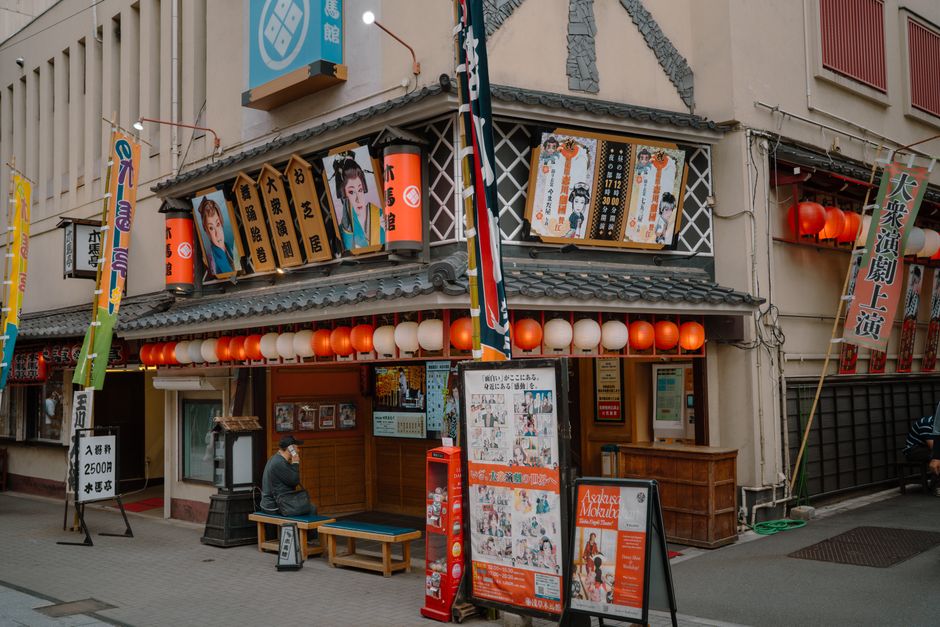
Walk through Shibuya's Center-gai pedestrian street on a Friday night in late June, and you'll hear it before you see it: the unmistakable hum of amplifiers and drums bleeding from venues packed shoulder-to-shoulder with music fans. The phenomenon isn't subtle, and venue operators across central Tokyo are openly grappling with a problem many thought they'd never face again—demand so strong it's straining their infrastructure.
Recent data from the Tokyo Metropolitan Bureau of Cultural Affairs shows concert attendance across mid-sized venues (500-2,000 capacity) has grown 34 percent since early 2025, with June bookings running 89 percent full across major districts. Venues like Liquidroom in Ebisu and WWW X in Shibuya report sold-out shows weeks in advance, a contrast to the cautious, half-full crowds that characterised 2024.
The surge isn't random. Industry observers point to three converging factors: the weaker yen making Tokyo more affordable for international touring acts, a generation of musicians who delayed tours now flooding the calendar, and younger Japanese audiences eager to experience live sound after years of streaming dependency. Ticket prices reflect the pressure—general admission at mid-tier venues has climbed from ¥3,500-4,500 to ¥5,000-6,500 in just eighteen months.
The strain is visible in logistics. Venues in the Roppongi Hills area report soundcheck delays extending well into evenings, while smaller clubs in Harajuku's cramped Takeshita-dori precinct have begun staggering door times to manage fire code compliance. One recurring complaint: insufficient green rooms and artist facilities in older buildings, forcing touring musicians into improvised changing areas.
Promoters are adapting strategically. Major agencies like Creativeman and Disk Garage are booking larger venues in Odaiba and suburban areas like Chiba's Makuhari Messe for popular acts, effectively decentralising the live music economy away from central Tokyo's traditional hotspots. This reshuffling has sparked debate among locals about whether the scene is expanding or simply dispersing.
Perhaps most tellingly, independent venue owners in quieter neighbourhoods like Kichijoji and Shimokitazawa report increased booking inquiries from emerging artists unable to secure slots in Shibuya. That geographic redistribution suggests Tokyo's live music boom isn't concentrated wealth but genuine expansion—though whether it's sustainable remains the question locals are quietly asking.
This article was compiled by AI from the sources linked above and screened before publishing. See our editorial standards.
How does this story make you feel?
Spread the word
About this article
Published by The Daily Tokyo
Daily brief
Free, in your inbox before 7am. Weekdays.
More in culture