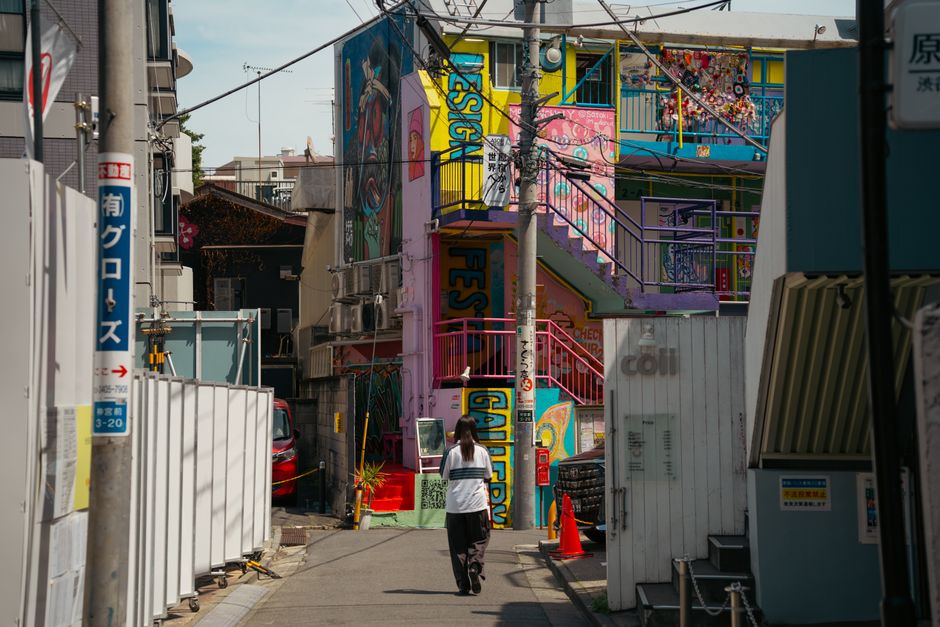
Walk through Shimokitazawa on any given evening and you'll find something unexpected happening in one of the neighbourhood's cramped basement theatres. A 28-year-old director staging a devised piece about digital loneliness. A collective of performers exploring butoh through the lens of urban anxiety. An underground playwright whose work blends manga aesthetics with Beckettian absurdism. This is where Tokyo's performing arts future is being quietly shaped.
The shift is unmistakable. While the Kabuki-za in Ginza and the National Theatre in Hayashi-cho continue their essential work preserving classical forms, a generation of artists educated in the post-2000s era is rejecting the binary of traditional versus Western theatre. Instead, they're creating something distinctly contemporary—and distinctly Tokyo.
Shimokitazawa remains the epicentre, with venues like Suzunari Theatre and the smaller Off-Off-Broadway-style spaces reporting increased attendance among audiences under 30. Ticket prices typically range from ¥2,500 to ¥4,500, making experimental work accessible in ways that major commercial theatre cannot. The neighbourhood's infrastructure—over 60 small theatres within walking distance—creates an ecosystem where risk-taking is normalized.
But the energy extends beyond Shimokitazawa. In Kichijoji, the Tokyo Metropolitan Theatre is actively commissioning debut works from emerging writers. Meanwhile, performance collectives are transforming vacant commercial spaces in Ikebukuro and Harajuku into temporary theatres, blurring boundaries between street culture, installation art, and drama.
Several trends define this emerging wave. First, a deep engagement with technology—not as spectacle, but as character. Virtual reality, projection mapping, and live-coded visuals appear organically within narratives about alienation and connection. Second, a reclamation of physical theatre from purely classical traditions, with younger performers synthesizing butoh's meditative qualities with hip-hop and contemporary dance vocabularies. Third, a frank engagement with Japanese identity in the age of global precarity—fewer plays about samurai honour, more about gig economy burnout and the anxieties of being young in an ageing society.
The economic reality remains precarious. Most emerging artists supplement theatre income through other work. Yet festivals like Tokyo Drama Encounter and the newer Undercurrent festival have begun supporting new work with both visibility and modest funding. The Japan Foundation, too, has recently expanded grants for experimental performance.
What's clear is that Tokyo's performing arts landscape is experiencing genuine generational renewal. These emerging voices aren't abandoning tradition—they're inheriting it, questioning it, and building something more complicated in its place.
This article was compiled by AI from the sources linked above and screened before publishing. See our editorial standards.