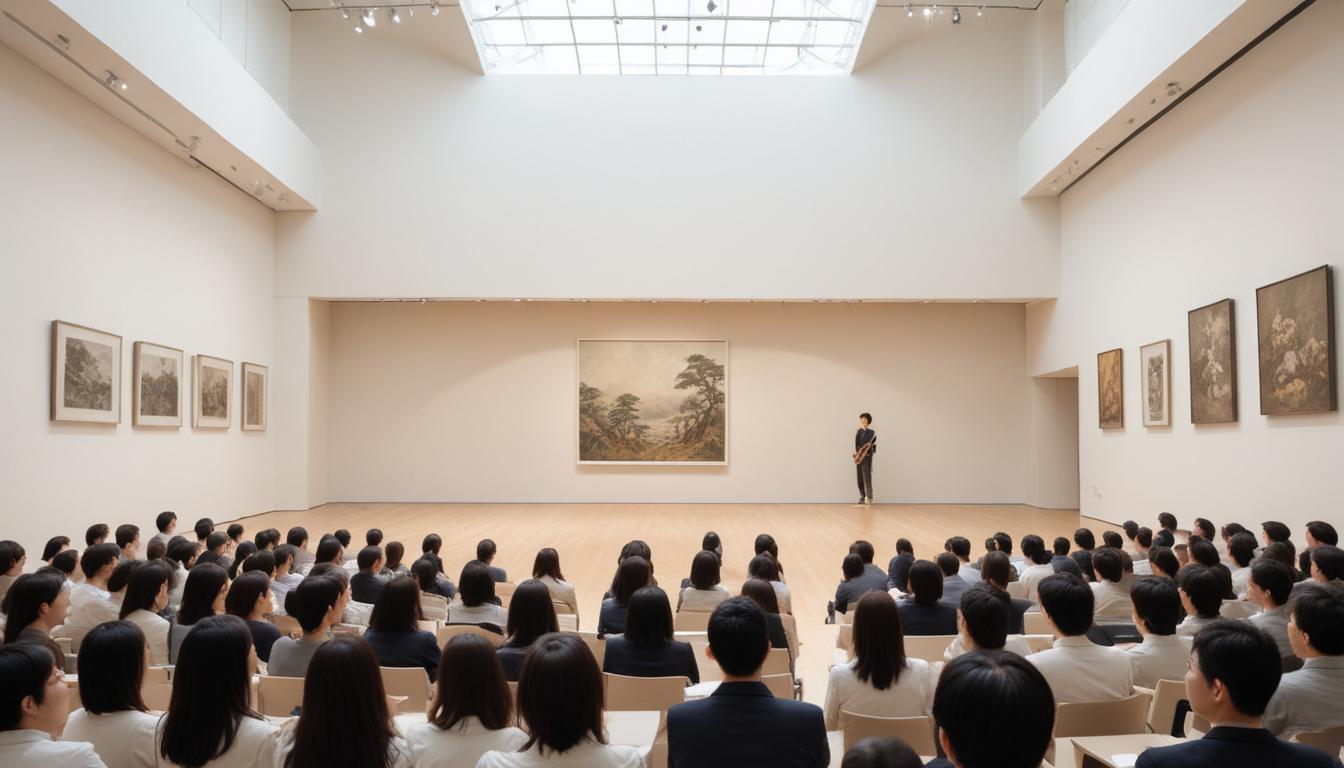
Walk down the narrow alleyways of Shimokitazawa on any Friday night and you'll hear it—the unmistakable hum of Tokyo's live music beating at full pulse. But this thriving landscape didn't emerge overnight. Behind the packed houses at Shelter, the experimental nights at 440, and the international headliners now routinely booking Nippon Budokan lies a story of stubborn dreamers who bet everything on Tokyo's appetite for live sound.
The foundation was laid in the 1980s when a handful of entrepreneurs recognised an untapped market. Small clubs like Live House Fandango in Roppongi and the original Liquid Room in Ebisu became incubators for a generation of musicians who couldn't find stages elsewhere. Ticket prices hovered around ¥2,000–¥3,000, deliberately kept low to build audiences rather than maximise profit. "We weren't thinking about money," recalled one veteran promoter in a 2024 industry retrospective. "We were thinking about building something."
By the late 1990s, Shimokitazawa's preservation movement became pivotal. When redevelopment threatened to bulldoze the neighbourhood's network of tiny theatres and clubs, local cultural workers mobilised. Their campaign—framed around keeping Tokyo's musical lifeblood alive—galvanised both residents and visiting musicians. Today, Shimokitazawa hosts over 60 live venues within a square kilometre, attracting roughly 2.8 million visitors annually according to local business surveys.
The architects of this scene came from unlikely backgrounds. Some were failed musicians who realised their gift lay in curating spaces. Others were architects who designed venues with acoustics as obsessive as any recording engineer. Nonprofits like the Tokyo Arts Council emerged to provide subsidies, artist development programmes, and mentorship—turning what could have remained a commercial operation into a genuine cultural infrastructure.
What distinguishes Tokyo's ecosystem is its stratification. A musician might debut at a 100-capacity room in Shimokitazawa, graduate to Liquid Room's 350-capacity floor (now relocated to Ebisu Yokocho), then headline Nippon Budokan's 14,000 seats—each stage representing genuine artistic progression. This clarity of pathway is rare globally.
Today, with average live music ticket prices ranging from ¥3,500 to ¥8,000, and the sector employing thousands from sound engineers to lighting designers, Tokyo's live music economy generates roughly ¥280 billion annually. Yet the veteran promoters who built this world rarely claim credit. They're simply proud that a kid from Chiba can still discover their artistic voice in a Shimokitazawa basement, just as countless generations have before them.
This article was compiled by AI from the sources linked above and screened before publishing. See our editorial standards.