Tokyo Underground Music Venues: 5 Emerging Artists
Discover Tokyo's emerging music scene in intimate basement venues across Shimokitazawa and Harajuku. How Gen-Z is reshaping where to find Tokyo's next stars.
Discover Tokyo's emerging music scene in intimate basement venues across Shimokitazawa and Harajuku. How Gen-Z is reshaping where to find Tokyo's next stars.
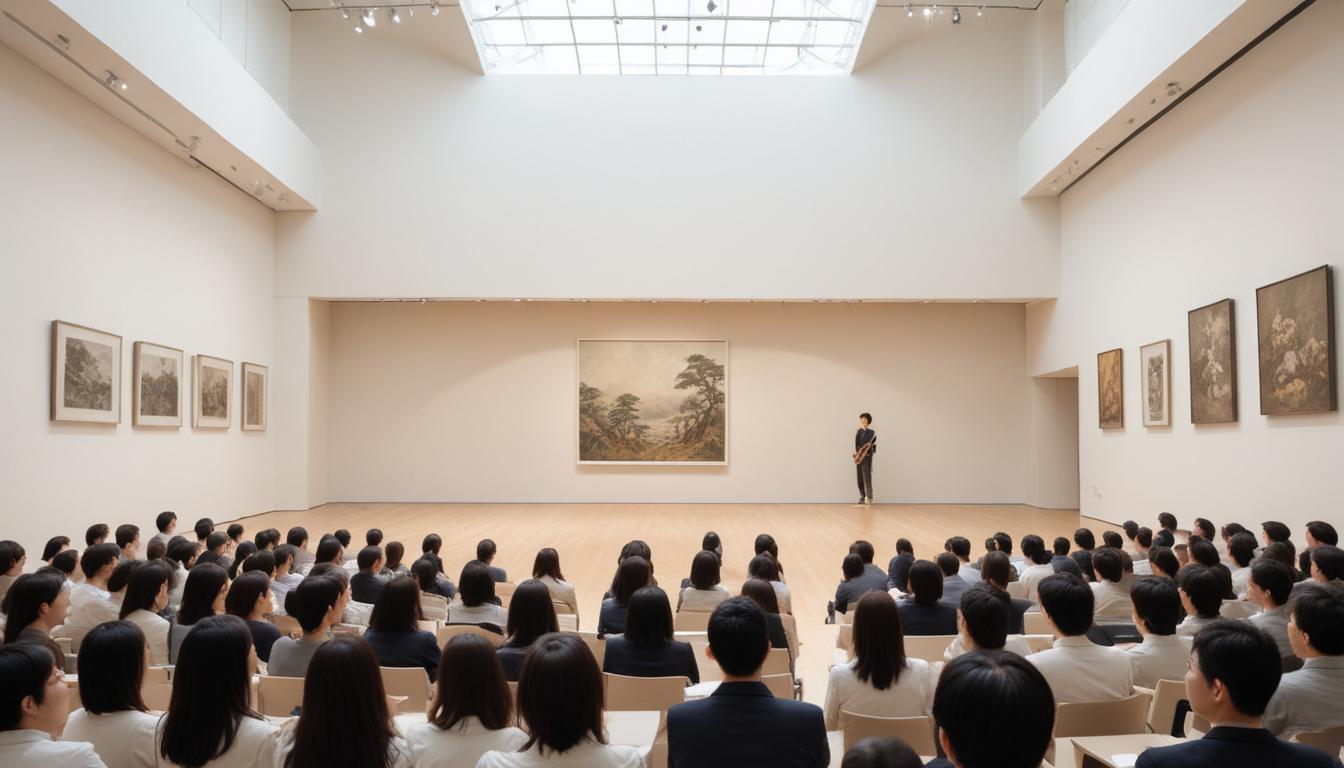
Walk down Meiji-dori on a Friday night and the story seems unchanged: packed izakayas, neon signs, the familiar hum of established entertainment districts. But venture into the narrower streets of Shimokitazawa or Harajuku's Omotesando backalleys, and you'll find Tokyo's music scene undergoing a quiet revolution. The city's emerging artists are no longer waiting for major label attention or prime-time slots at the Budokan—they're building followings in 100-capacity basement venues and converting shop fronts into galleries-cum-concert-spaces at a rate unseen since the 1990s indie boom.
The shift reflects broader demographic realities. Tokyo's concert-going population has aged, with Gen-Z and millennial audiences increasingly skeptical of traditional venue models. Venues like Garlic Jack in Shimokitazawa and a growing cluster of artist-run spaces in the Higashi-Shinjuku district are filling the void. Ticket prices hover between ¥2,000–¥3,500 for emerging acts—significantly lower than the ¥8,000–¥15,000 average for established artists at larger venues—making live music more accessible even as rent pressures squeeze margins across the city.
The numbers tell an important story. According to the Tokyo Metropolitan Government's 2026 culture survey, independent music events have increased 34 percent since 2023, concentrated in five key neighbourhoods: Shimokitazawa, Omotesando, Ueno, Asakusa's fringe areas, and the traditionally overlooked stretches of East Shinjuku. Streaming platforms and social media have democratized discovery; emerging artists no longer require gatekeepers. A musician with 50,000 TikTok followers can now pack a 200-person venue.
What distinguishes this wave is its genre fluidity and multicultural character. Traditional J-pop categorization feels quaint here. Artists are blending city pop with UK garage, traditional shamisen with UK grime, jazz with ambient electronic production. Many emerged during pandemic lockdowns, creating in isolation before discovering collaborators through online communities. Several are non-Japanese nationals or mixed-heritage performers who might have faced systematic barriers to visibility a decade ago.
Venue operators report rising demand for artist development programs. Smaller spaces now offer residencies, mentorship connections, and technical training—functions traditionally reserved for major labels. This infrastructure-building suggests Tokyo's music establishment recognizes a generational shift: the next wave won't be manufactured; it will be distributed, discovered, and amplified by communities rather than corporations.
For culture observers, the message is clear. Tokyo's next major musical voice is probably already performing to 120 people in a Shimokitazawa basement. The city's challenge—and opportunity—is ensuring these spaces remain economically viable as rents climb and investor interest peaks.
This article was compiled by AI from the sources linked above and screened before publishing. See our editorial standards.
How does this story make you feel?
Spread the word
About this article
Published by The Daily Tokyo
Daily brief
Free, in your inbox before 7am. Weekdays.
More in culture
