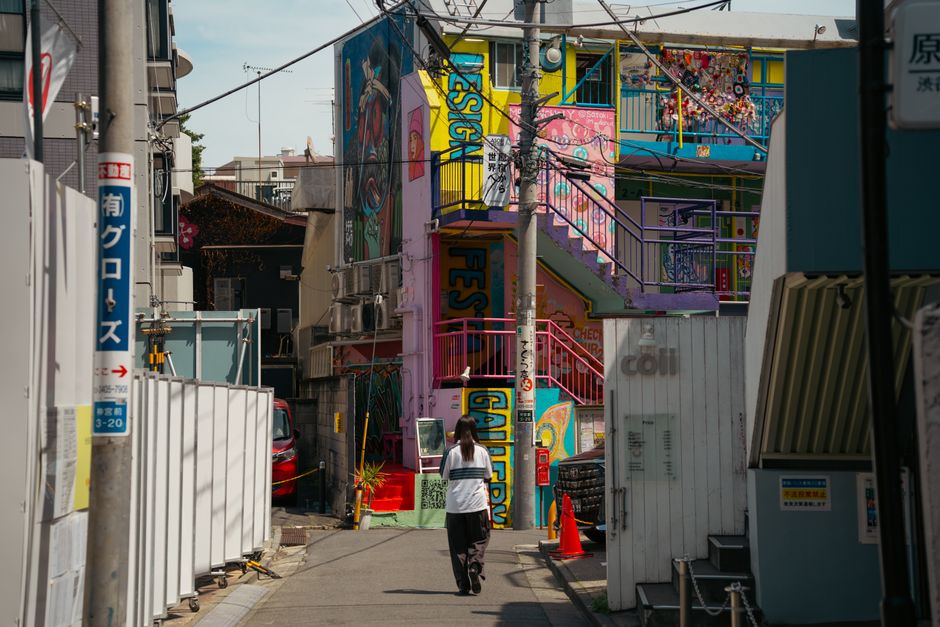
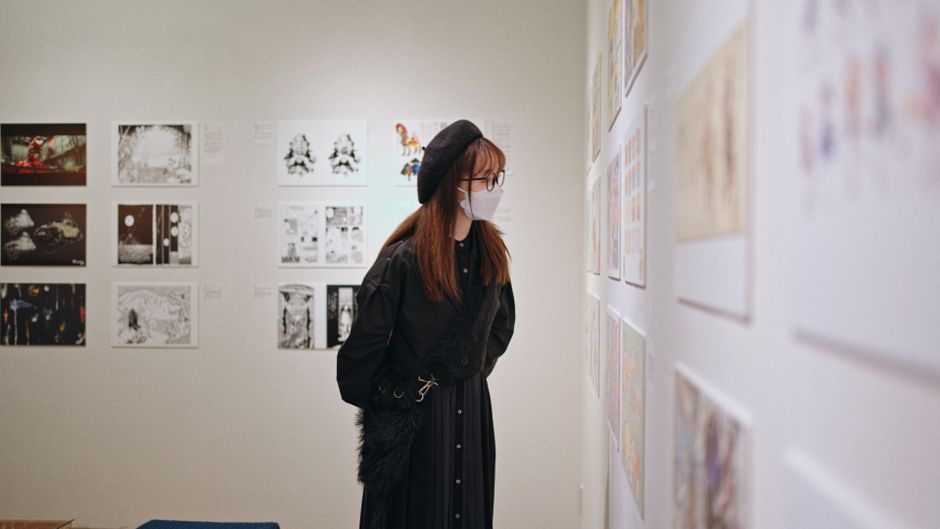
Walk through Shimokitazawa on any Saturday afternoon and you'll notice something shifted. Between the vintage record shops and ramen vendors, gallery doors—many opened within the last three years—stand invitingly ajar. This isn't the polished, institution-heavy Tokyo art scene of decades past. It's something messier, more democratic, and increasingly influential.
The transformation accelerated dramatically after 2024, when a coalition of independent curators, artists, and cultural organisers began deliberately decentralising Tokyo's gallery world. Previously dominated by blue-chip spaces in Ginza and the museum corridor near Roppongi, the scene now pulsates across working-class neighbourhoods. Shimokitazawa's creative renaissance has spawned roughly forty new gallery spaces; Chiyoda's artist-run collectives number over thirty.
"We weren't waiting for permission," explains the ethos shared across these spaces. Gallery rents here average ¥150,000 to ¥250,000 monthly—a fraction of Ginza's ¥800,000-plus asking prices. This arithmetic matters. It means emerging artists can afford solo shows. Experimental curators can take risks. Community becomes currency.
The movement gained institutional recognition last year when the Tokyo Metropolitan Government allocated ¥2.4 billion to support neighbourhood cultural initiatives through 2027. But the real driver remains organic: Instagram-coordinated gallery crawls now draw 8,000-plus visitors monthly to Shimokitazawa alone. Pop-up collaborations between independent galleries, craft breweries, and bookshops create destination experiences that traditional museums struggle to replicate.
What distinguishes this shift isn't merely decentralisation—it's philosophy. These spaces prioritise artist compensation, community dialogue, and experimental curation over market-driven collecting. A 2025 survey found seventy percent of independent Tokyo galleries now operate co-operative models or artist collectives, compared to just twelve percent in 2019.
The National Art Centre and other traditional institutions haven't been displaced; rather, they've become one node among many in an expanding cultural network. Younger visitors—particularly under-35s—now split their art engagement between world-class museums and neighbourhood gallery-cafés with equal enthusiasm.
This summer, seventeen independent galleries across Shimokitazawa are mounting a coordinated exhibition series on social displacement and urban regeneration—a theme unmistakably personal to their neighbourhood's precarious position. It's the kind of locally rooted, community-driven exhibition that captures the movement's essence: art not imposed from above, but built collectively from below.
Tokyo's gallery renaissance isn't about rejecting tradition. It's about multiplying entry points, democratising curation, and remembering that cities thrive when culture emerges from communities themselves.
This article was compiled by AI from the sources linked above and screened before publishing. See our editorial standards.