Tokyo's street art scene has matured dramatically over the past five years, transforming from underground movement to recognized cultural force. Today, several distinct creative districts offer visitors and locals authentic experiences that showcase the city's visual storytelling tradition—blending Japanese precision with international influences.
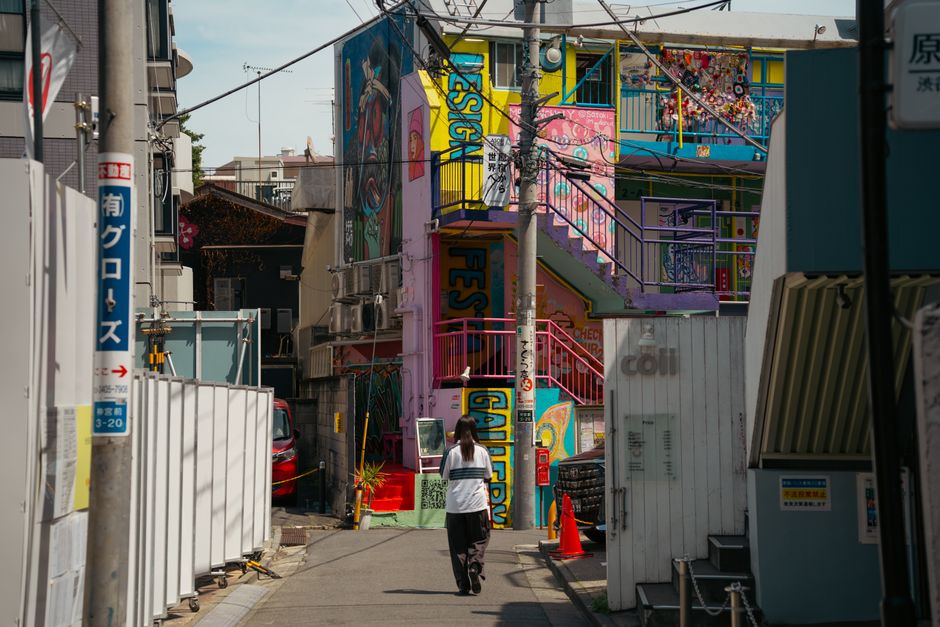
Shimokitazawa remains the epicentre for raw, evolving street art. This bohemian neighbourhood, famous for its theatre culture and vintage shops, now hosts over 200 murals across its narrow streets and alleyways. The area surrounding the old railway tracks has become particularly vibrant, with artist collectives rotating installations monthly. Entry is free; plan 90 minutes for a thorough walk. The nearby Bonus Track café (¥800 for coffee) provides excellent vantage points for photography.
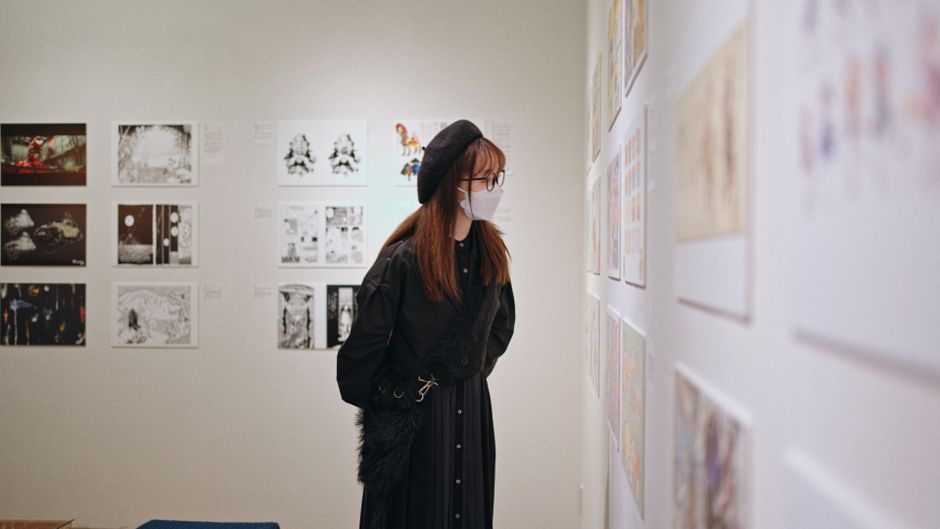
Roppongi's design quarter operates at the opposite end of the spectrum—curated, institutional, and increasingly prestigious. The Roppongi Hills Art Triangle includes permanent installations from established Japanese and international street artists. The 21_21 Design Sight museum (¥1,500 admission) runs quarterly exhibitions exploring urban art's relationship with commercial design, currently featuring work from Tokyo-based collectives through September.
Koenji's anarchic energy attracts experimental artists seeking less regulated spaces. The neighbourhood's covered shopping streets host legally sanctioned murals, while underground parking areas and railway bridges showcase guerrilla-style work. Several artist-run workshops offer three-hour street art creation sessions (¥3,500) where participants learn spray-painting techniques from active practitioners.
Harajuku's evolution deserves attention beyond its tourism clichés. Meiji-dori's side streets now feature a sophisticated mix of commissioned pieces and artist residencies. The Omotesando Design District, often overlooked, showcases minimalist street art installations that dialogue with luxury fashion brands—a uniquely Tokyo phenomenon exploring consumerism's visual language.
Practically speaking: June-July offers ideal conditions for exploring these districts—early mornings (6-8am) provide empty streets for photography before foot traffic intensifies. Most neighborhoods cluster within 30-40 minute train rides from central stations. Several digital platforms now map authenticated street art; the Tokyo Street Art Collective's app includes artist interviews and installation dates.
What distinguishes Tokyo's scene is how these districts maintain distinct identities while contributing to broader conversations about public space, transience, and urban identity. Whether you're seeking Instagram moments or genuine artistic encounters, Tokyo's creative neighbourhoods deliver both in abundance right now.
This article was compiled by AI from the sources linked above and screened before publishing. See our editorial standards.