Summer arrives in Tokyo with an intensity that extends far beyond the heat. June bleeds into July with a festival calendar so dense that first-time visitors often arrive unprepared for the sheer volume of events competing for their attention. The key to navigating this cultural abundance lies in understanding the layers: the headline spectacles, the neighbourhood traditions, and the smaller events that locals actually attend.
The Sumida River Fireworks Festival (Sumida River Hanabi) remains the marquee event, typically held in late July. Expect crowds of over one million—arrive by 3pm if you want any viewing real estate along the riverbanks in Asakusa or Taito wards. Tickets for reserved seating typically range from ¥2,500 to ¥8,000, and vendors line the streets selling yakitori and cold ramen until midnight.
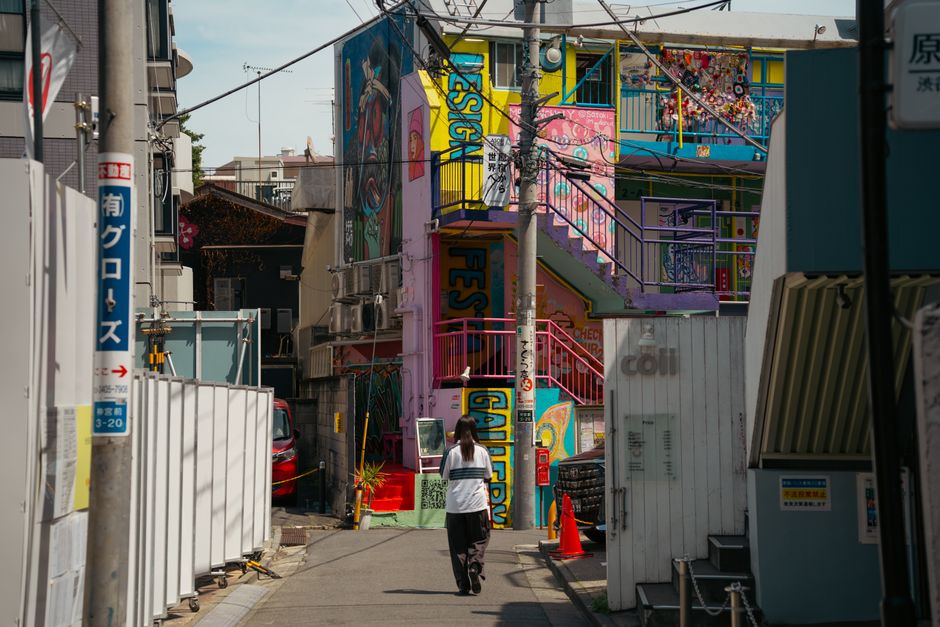
But Tokyo's real summer pulse beats in its neighbourhood matsuri. In Shibuya, the Kishimojin Matsuri (late July) transforms the quiet Meiji-dori surroundings into a carnival of food stalls and portable shrines. In Shinjuku, locals flock to the Hanazono Shrine festival (mid-June) despite—or because of—its chaotic proximity to the entertainment district. The Fukutoshin Line stations near these venues handle the overflow, but arrive early to avoid the worst congestion.
Neighbourhood festivals charge no admission and operate on a volunteer basis, preserving something increasingly rare in Tokyo: genuine community participation. Residents don traditional happi coats, families push shrine portable stages through narrow residential streets, and the economics remain intimate—takoyaki, kakigori, and goldfish-catching stalls, each operated by local shopkeepers raising funds for neighbourhood associations.
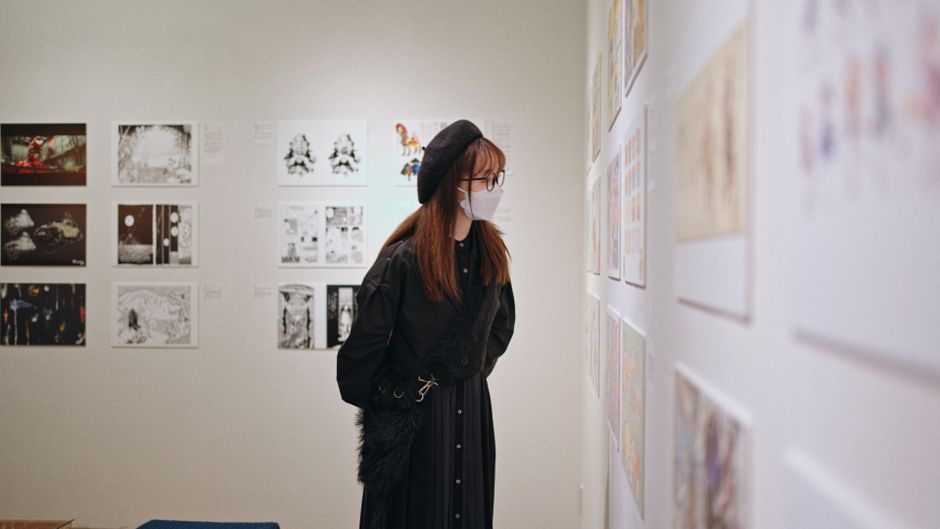
June through early August also hosts the Roppongi Art Triangle's summer programming, with galleries and museums extending evening hours. The teamLab Borderless digital art complex in Odaiba draws international crowds (tickets ¥3,200), but consider the quieter National Art Center in Roppongi (free admission) for a more contemplative experience.
Practical wisdom: purchase a prepaid Suica card (¥2,000 with ¥1,500 usable credit) for seamless transit between venues. Most matsuri occur weekends; weekday festivals in residential areas offer authentic glimpses with manageable crowds. Bring a compact umbrella—summer thunderstorms arrive suddenly, scattering crowds within minutes.
Tokyo's festival season rewards flexibility over itinerary. The most memorable moments often occur in unmarked streets where neighbours gather, shrine bells ring, and the city briefly remembers it was built on community, not convenience.
This article was compiled by AI from the sources linked above and screened before publishing. See our editorial standards.