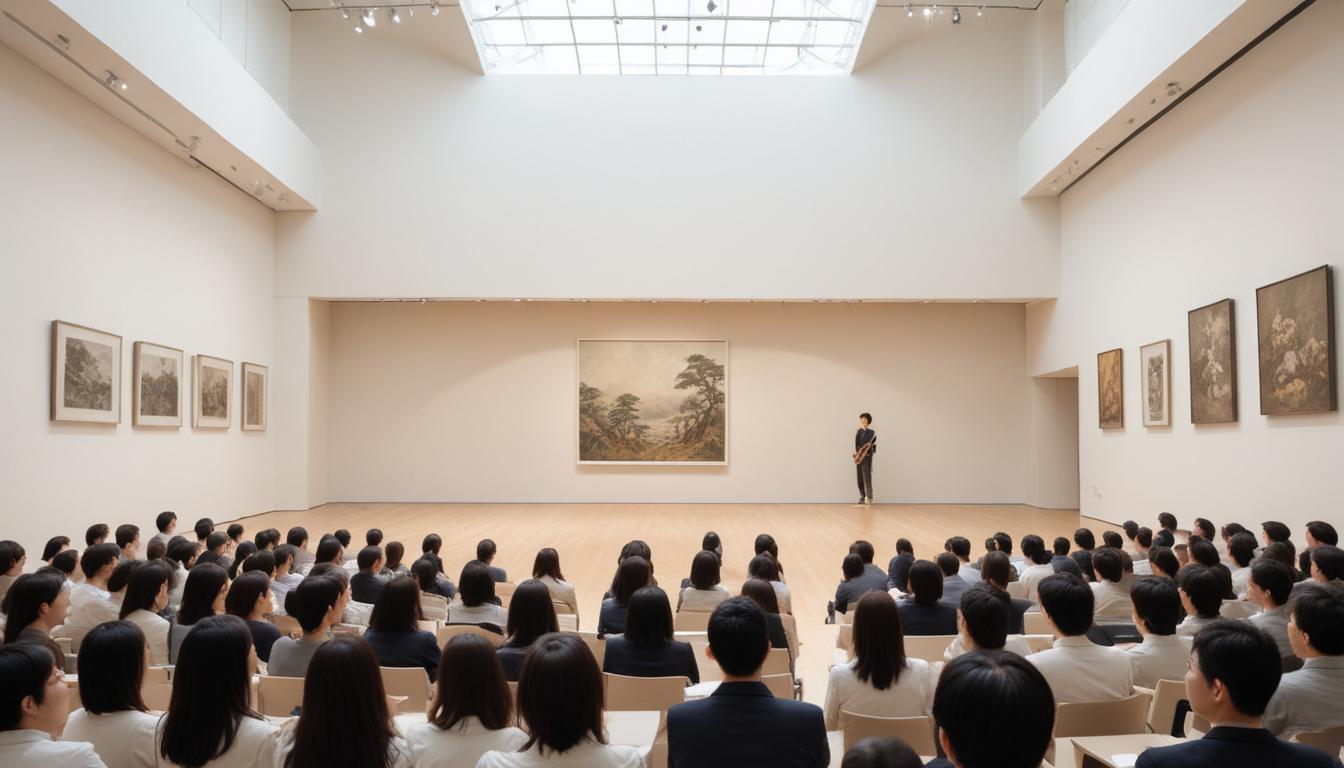
Walk down the narrow alleys of Shimokitazawa on a Friday evening and you'll encounter a different Tokyo—one where theatre thrives in converted warehouses, independent cinemas pack audiences into 50-seat rooms, and ticket prices hover around ¥1,500 rather than the ¥1,900 standard at commercial chains. This shift isn't accidental. Over the past three years, a decentralized movement of artists, producers, and venue operators has fundamentally altered how Tokyo's younger audiences—particularly those aged 18-35—consume live performance and experimental cinema.
The transformation centres on venues like those clustered in Shimokitazawa's preservation district, where local organizations have resisted commercial homogenization. Organisations including cooperative theatre groups and independent film societies now operate roughly 12 dedicated alternative venues within a 15-minute radius of Shimokitazawa Station. These spaces host everything from underground documentary screenings to avant-garde performance pieces that would struggle for stage time at larger institutions.
Data from the Tokyo Arts Council suggests attendance at independent theatre and art-house cinemas increased 34% between 2023 and 2025, while attendance at major commercial venues grew just 8% annually. The shift reflects broader demographic changes: younger Tokyoites increasingly favour intimate, community-driven cultural experiences over passive consumption at multiplexes. Monthly subscription models—where audiences pay ¥3,000-¥5,000 for access to multiple venues—have become popular, creating sustainable revenue for producers operating on thin margins.
Shinjuku's experimental theatre district, particularly around Meiji-dori and Okubo-dori, has become another epicentre. Here, artist-led collectives share rehearsal spaces and cross-promote productions, creating informal networks that traditional booking systems never enabled. The cooperative model reduces individual venue risk while amplifying artistic reach.
What drives this movement transcends nostalgia for pre-digital entertainment. Community organisers emphasize accessibility—both economical and cultural. By programming diverse work, hosting post-show discussions, and maintaining affordable ticket prices, these venues position themselves as counterweights to Tokyo's hypercommercial cultural establishment. Some venues operate on gift-economy principles, where audiences pay what they can afford.
Theatre organizations report 60% of new audiences discover venues through social media and word-of-mouth rather than traditional advertising. This organic growth has created genuine community: regular attendees become collaborators, volunteer ushers, or even producers themselves.
As Tokyo's cultural institutions increasingly cater to tourism and corporate sponsorship, this grassroots network reasserts a fundamental principle—that performing arts belong to everyone, not just those with premium disposable income. Whether this movement sustains depends on whether established institutions recognize its value as something worth protecting rather than displacing.
This article was compiled by AI from the sources linked above and screened before publishing. See our editorial standards.