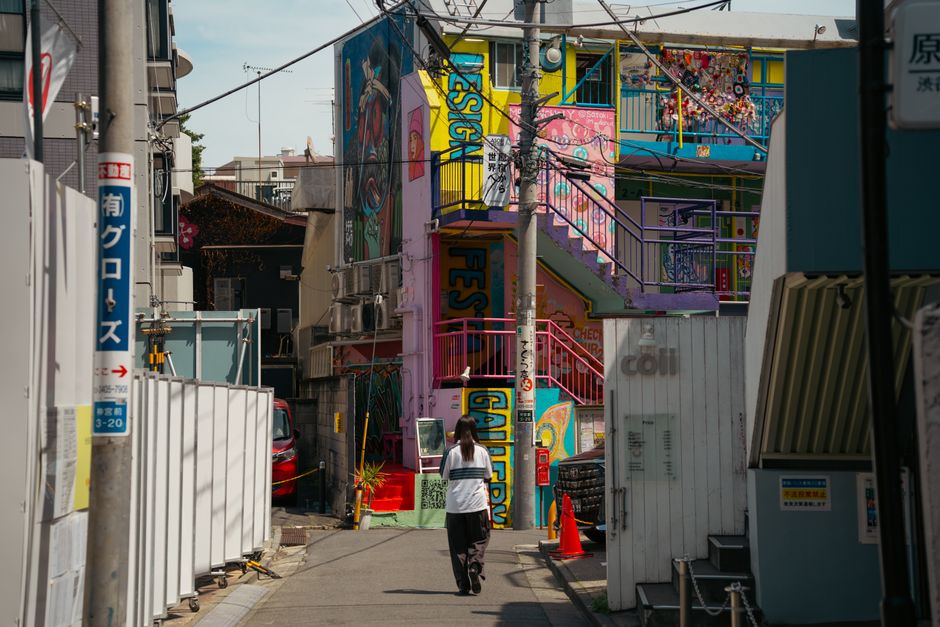
In a narrow laneway off Meiji-dori in Shinjuku, wedged between a ramen shop and a pachinko parlour, sits Studio Kaijin—a 80-seat black box theatre that has become an unlikely incubator for some of Japan's most innovative performance work. The studio's modest entrance belies its outsized influence on Tokyo's theatrical landscape, a story that reflects the determination of artists who have carved out creative spaces in one of the world's most expensive cities.
Studio Kaijin opened in 2015 with a mission to nurture experimental theatre, dance, and multimedia performance outside the commercial districts of Ginza and Roppongi. Today, productions developed in its intimate space regularly transfer to larger venues across Tokyo and beyond. The studio's operator, a collective of three independent producers, invested approximately ¥15 million to secure the space and equipment—a sum they financed partly through crowdfunding and government arts grants.
This model of collaborative, artist-led infrastructure has become emblematic of Tokyo's performing arts renaissance. Across districts like Shimokitazawa and Kichijoji, similar venues operate with minimal overhead and maximum creative ambition. The Shimokitazawa Theatre Guild, established in 2019, now manages four connected performance spaces within a 200-metre radius, hosting over 400 productions annually and employing approximately 25 full-time staff members.
The scale of this ecosystem matters. Tokyo's live performance sector generated an estimated ¥89 billion in revenue in 2025, with independent and experimental venues accounting for roughly 18% of that figure. Yet the human cost remains high: most independent theatre workers juggle multiple roles—directing, producing, marketing, and technical work—often earning less than ¥2.5 million annually.
What drives these artists forward is visibility and validation. Ensemble Jikken—a collective based in a converted warehouse in Chiyoda's Kuramae district—recently secured international touring dates in New York and Berlin following a 2024 showcase at Tokyo Festival. Their artistic director credits the city's density of smaller venues with allowing them to develop work iteratively, testing ideas across multiple runs before embarking on larger productions.
The vulnerability of these spaces became apparent during the pandemic. Several landmark independent theatres in Harajuku and Ikebukuro closed permanently between 2020 and 2022. Those that survived adapted: digital streaming, outdoor performances, and hybrid models became tools for survival.
Today, as Tokyo's theatre scene enters what many describe as a golden period—driven by younger audiences and renewed investment—these grassroots venues remain the true architects of the city's creative future. They are the laboratories where the next generation of Japanese performance makers learn their craft.
This article was compiled by AI from the sources linked above and screened before publishing. See our editorial standards.