Walk down Omotesandō these days and you'll notice something unexpected: the pristine luxury façades are sharing wall space with sanctioned street art installations that would have been inconceivable five years ago. This summer marks a turning point in how Tokyo's municipal government and private developers view graffiti culture and urban creativity—and locals are noticing the shift.
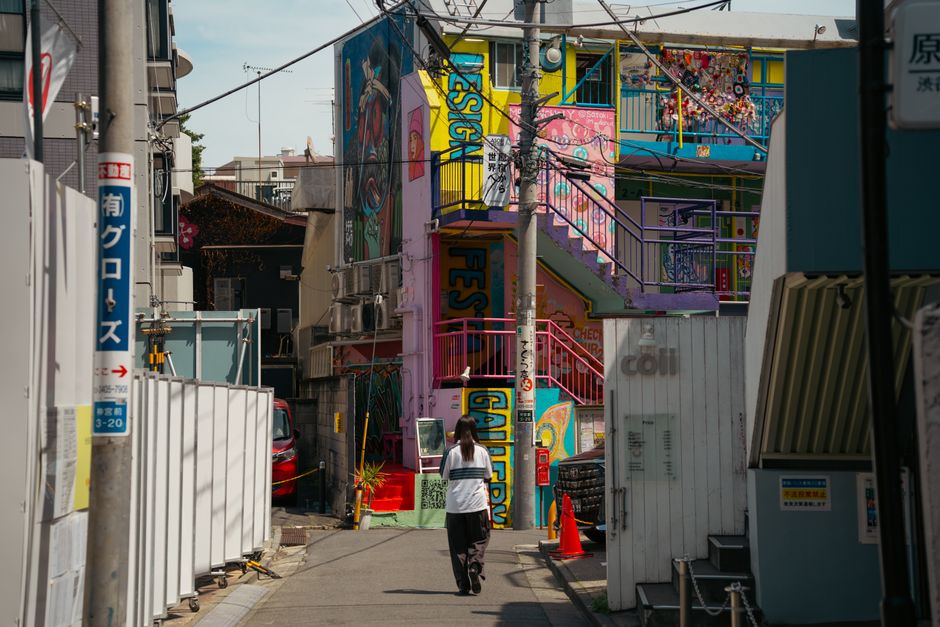
The catalyst came in April when the Tokyo Metropolitan Government formally launched its Creative Districts Initiative, allocating ¥2.3 billion across five neighbourhoods to fund public art projects. Shimokitazawa, long the counterculture heart of Tokyo, received the largest allocation. The pedestrian alley behind the Kitazawa shopping street now features a rotating series of murals by collective TOKYO WALL, transforming bare concrete into a gallery that attracts Instagram visitors from across the Kanto region.
What's remarkable isn't just the money—it's the philosophy shift. For decades, Tokyo treated street art as urban decay. Now, district councils in Harajuku and around the Meiji-dōri corridor actively commission works from international and domestic artists. Local muralist collective RABOT, which operated semi-legally in these areas for over a decade, recently formalized partnership with three major property owners, a development unthinkable eighteen months ago.
The economics are driving conversation too. Shimokitazawa property values near the designated creative zones increased 8-12% in the first quarter alone, according to local real estate data. Landlords who previously rejected street art applications are now inviting artists. Rent for artist studios in the neighbourhood remains comparatively affordable—averaging ¥85,000 monthly for workspace—but gentrification anxieties loom for long-time residents.
Beyond commerce, there's genuine cultural momentum. The Roppongi Design Quarter expanded its street art residency programme from 6 to 18 months, and applications from Asian artists tripled this year. Meanwhile, grassroots organisations like Harajuku Creative Collective argue the municipal approach risks sanitising the authentic rebellious spirit that made Tokyo's underground art scene globally significant.
By summer's end, Tokyo will have added roughly 150 new sanctioned murals across these districts. The question animating local conversations isn't whether this is good or bad, but whether institutionalising street art preserves creative culture or merely packages it for consumption. For now, Tokyo's streets are undeniably more colourful—and far more complicated.
This article was compiled by AI from the sources linked above and screened before publishing. See our editorial standards.